
Are Heat Pumps Noisy Outside? What to Expect
By Chalmers Plumbing & Heating
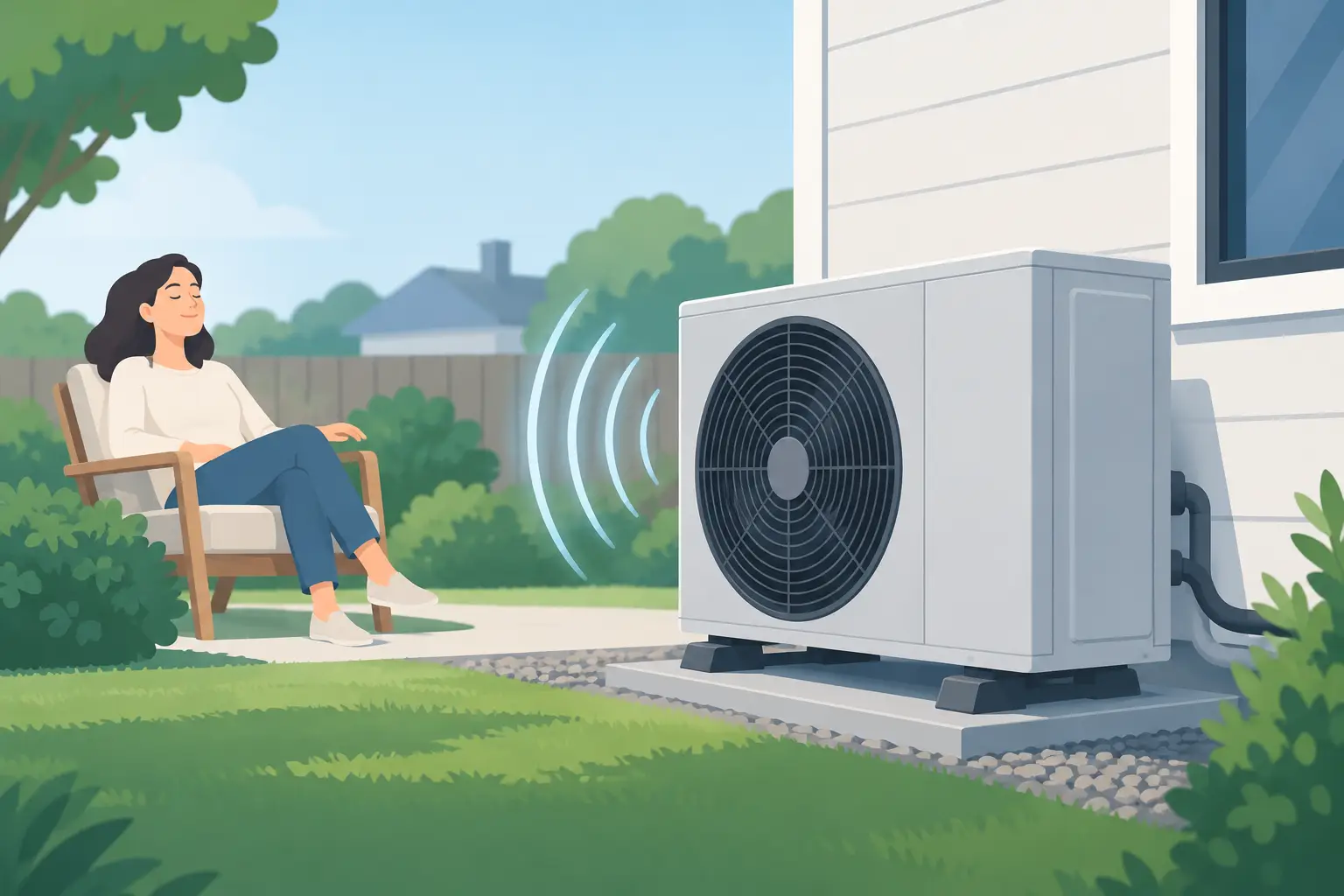
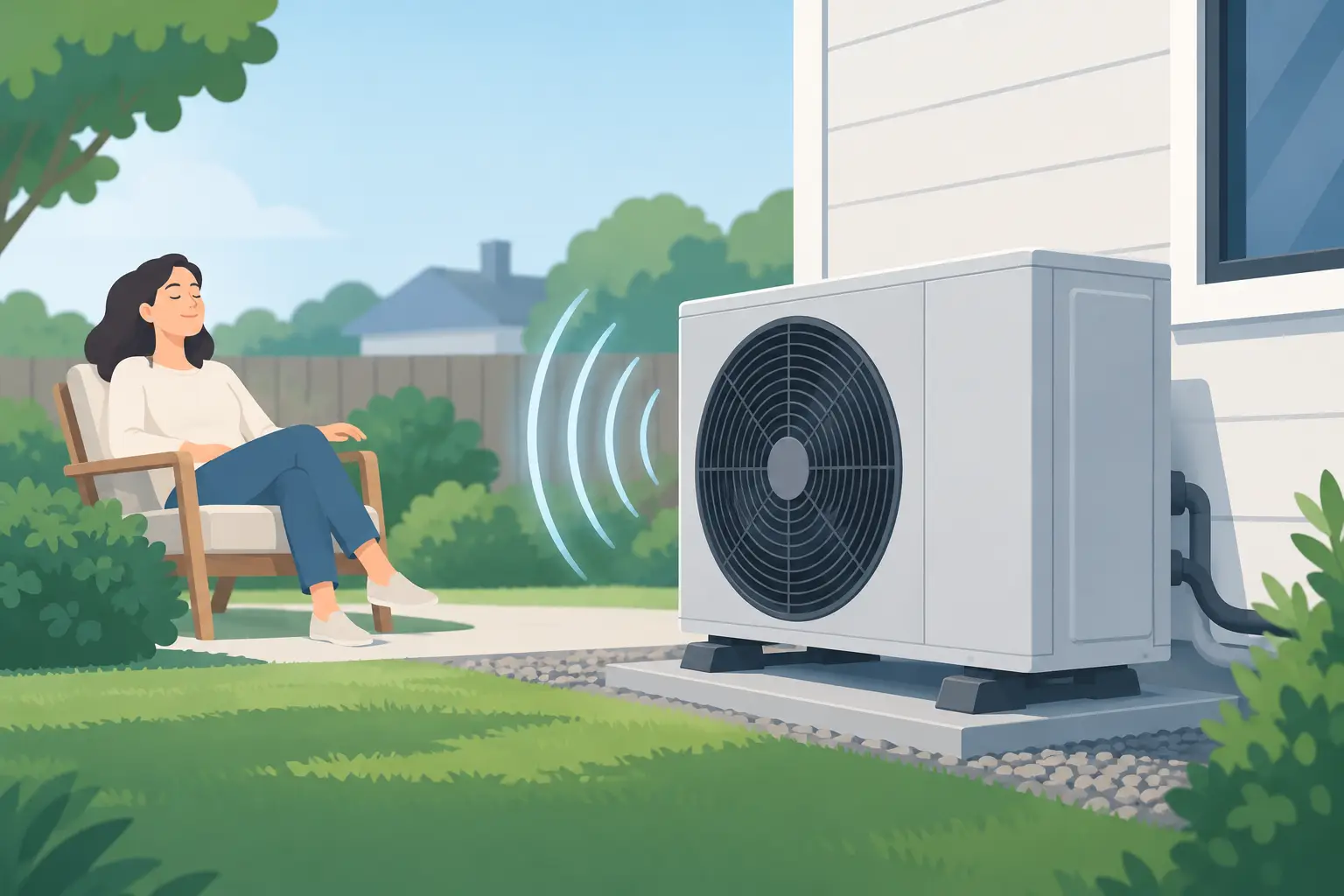
A heat pump can be working perfectly well and still be heard outdoors. So, are heat pumps noisy outside? Usually, no more than a modern fridge, fan or quiet conversation at a short distance - but the answer depends heavily on the unit selected, where it is fitted and how well the installation has been planned.
For homeowners in Glasgow and the surrounding area, this is often one of the first practical questions when considering a heat pump. It matters even more for a terraced house, a close neighbour, a small garden or a flat with shared outdoor space. The reassuring point is that a correctly specified and commissioned system should provide comfortable heating without becoming the loudest thing in the garden.
What does an outdoor heat pump sound like?
The outdoor unit contains a fan and compressor. When it is running, you may hear a steady airflow, a low mechanical hum and, at times, a change in fan speed. It is not silent, but neither should it sound harsh, rattly or intrusive.
Manufacturers quote sound levels in decibels, commonly written as dB(A). Many current domestic air-source heat pumps produce around 40 to 60 dB(A) at one metre, depending on their output and operating conditions. A lower figure is quieter, although decibels are not always intuitive to compare. Sound also reduces with distance, so what is noticeable beside the unit can be much less apparent at a neighbour's boundary or inside your home.
The character of the sound matters as much as the published number. A smooth, consistent fan noise tends to blend into normal outdoor background noise. A vibration through a fence, wall or timber deck is more likely to be irritating, even where the measured sound level is modest.
Are heat pumps noisy outside in cold weather?
A heat pump may be more noticeable during colder spells because it has to work harder to meet the heating demand. The fan and compressor can run for longer, and the unit may increase its output. This is normal, particularly on a frosty Glasgow morning when the property needs heat and hot water.
You may also hear a temporary change in noise during a defrost cycle. In damp, cold conditions, frost can form on the outdoor coil. The heat pump periodically reverses its operation briefly to clear that frost. There may be a different hum, the fan may stop for a short period, and water will drain from the unit afterwards. That is expected behaviour, not necessarily a fault.
What is not normal is persistent banging, scraping, metallic rattling, severe vibration or a sudden major change in sound. These can point to loose fixings, a fan issue, ice affecting moving parts, worn components or an installation problem. It is best to have this checked rather than hoping it settles down.
Why some heat pumps sound louder than others
Noise is not simply a matter of buying the quietest model. A suitable system starts with a heat-loss calculation and an honest assessment of the building. An undersized heat pump may need to operate at higher output more often. An oversized unit can cycle unnecessarily. Both can affect comfort, efficiency and perceived noise.
The position of the unit is equally important. A heat pump installed close to a bedroom window, in a narrow passage or between two hard walls can sound louder because surfaces reflect and contain the noise. Corners, alcoves and enclosed bin areas are rarely good choices. The same unit in an open, sensible position may be barely noticeable from the house.
Poor vibration control is another common cause of complaints. The outdoor unit should sit on a stable, level base with suitable anti-vibration mounts. Pipework needs to be secured properly without creating a route for vibration to travel into the building. A unit fixed to a lightweight wall can sometimes transmit noise indoors, which is why the mounting method needs to suit the property rather than follow a one-size-fits-all approach.
Planning the position before installation
A professional survey should consider far more than the shortest route for pipework. The engineer should look at the distance to boundaries and neighbouring windows, likely airflow, available service access, drainage for defrost water, and the rooms you use most.
The outdoor fan needs clear space around it. Blocking it in with fencing, decorative screening or stored items can restrict airflow and make the system work harder. If screening is required for appearance or security, it should be planned with adequate clearances and without trapping sound around the unit.
It is also worth thinking about everyday use of the garden. A location directly beside a patio, outdoor seating area or bedroom window may be technically possible but not ideal. Often, moving the unit a few metres or changing its direction can make a meaningful difference without compromising performance.
Boundaries and neighbour considerations
In many domestic installations, noise assessment forms part of the design process and may be relevant to permitted development requirements. The assessment considers predicted sound at the nearest neighbouring property, rather than only the manufacturer’s figure beside the unit.
This is one reason not to choose a heat pump location from a brochure photograph or a quick online estimate. Every property has different boundaries, wall materials, garden layouts and background sound levels. Clear discussion before work begins avoids difficult conversations later.
If you share a boundary, it can be courteous to let your neighbour know what is being installed and where. Most concerns ease when people understand that the unit has been positioned and selected with noise in mind.
How to keep an outdoor heat pump as quiet as possible
The biggest difference comes from getting the design right at the start. Correct sizing, a quality unit with an appropriate sound rating, sensible siting and secure installation all work together. Trying to solve a poor location afterwards with a decorative cover or extra fencing is rarely as effective.
Once installed, keep the area around the unit clear of leaves, garden furniture and debris. Make sure drainage is not blocked, particularly before and during winter. Avoid leaning items against the casing or using the unit as a shelf. These small points help preserve airflow and reduce the chance of vibration or unwanted noises.
Annual servicing is useful for noise as well as reliability. An engineer can inspect fan blades, electrical connections, mounts, refrigerant performance, drainage and general condition. A loose panel or deteriorating rubber mount is much easier to address early than after it has caused a recurring nuisance.
When should you call an engineer?
Contact a qualified heat-pump engineer if the sound is new, worsening or clearly different from the usual operating noise. A repeated knocking sound, high-pitched whine, grinding, strong vibration through an internal wall or frequent fault messages all justify an inspection.
Do not remove panels or attempt repairs yourself. The outdoor unit contains electrical components and a sealed refrigerant circuit. A proper visit should identify whether the issue is normal operation, installation-related, a maintenance need or a component fault, then explain the remedy in plain language.
At Chalmers Plumbing & Heating, heat-pump work is approached as a complete system rather than just an outdoor box on a wall. That means assessing heat loss, equipment location, pipework, controls, commissioning and the practical details that affect day-to-day comfort.
A quieter result starts before the unit is fitted
A heat pump should be audible only when you are close enough to notice it, not something that changes how you use your home or garden. The right model and a careful installation make that realistic for most properties, including homes with nearby neighbours.
If outdoor noise is a concern, raise it at the quotation stage. A good installer will take the question seriously, assess the space properly and give you a clear explanation of the available options before any equipment is ordered.