Frozen Boiler Condensate Pipe: How to Spot the Signs and What to Do
Learn how a frozen condensate pipe can stop your boiler and what safe steps you can take before arranging professional help.
By Chalmers Plumbing & Heating

A frozen boiler condensate pipe can stop your heating and hot water, often leaving a fault code or a boiler that repeatedly locks out. The problem is particularly relevant in Glasgow, where exposed external pipework is common on tenements and older properties. Knowing what to look for can help you respond safely and decide when professional boiler repairs are needed.
What the condensate pipe does
A condensate pipe carries acidic wastewater away from your condensing boiler. This water is produced as the boiler extracts heat from its flue gases, and it normally drains into an internal waste pipe or an external connection.
Where the pipe runs outside, it may be made from plastic and pass through an external wall before reaching a drain. If the pipe is narrow, poorly insulated or has an unsuitable fall, the water inside can freeze and create a blockage. The boiler detects that it cannot discharge condensate correctly and shuts down as a safety measure.
Common signs of a frozen pipe
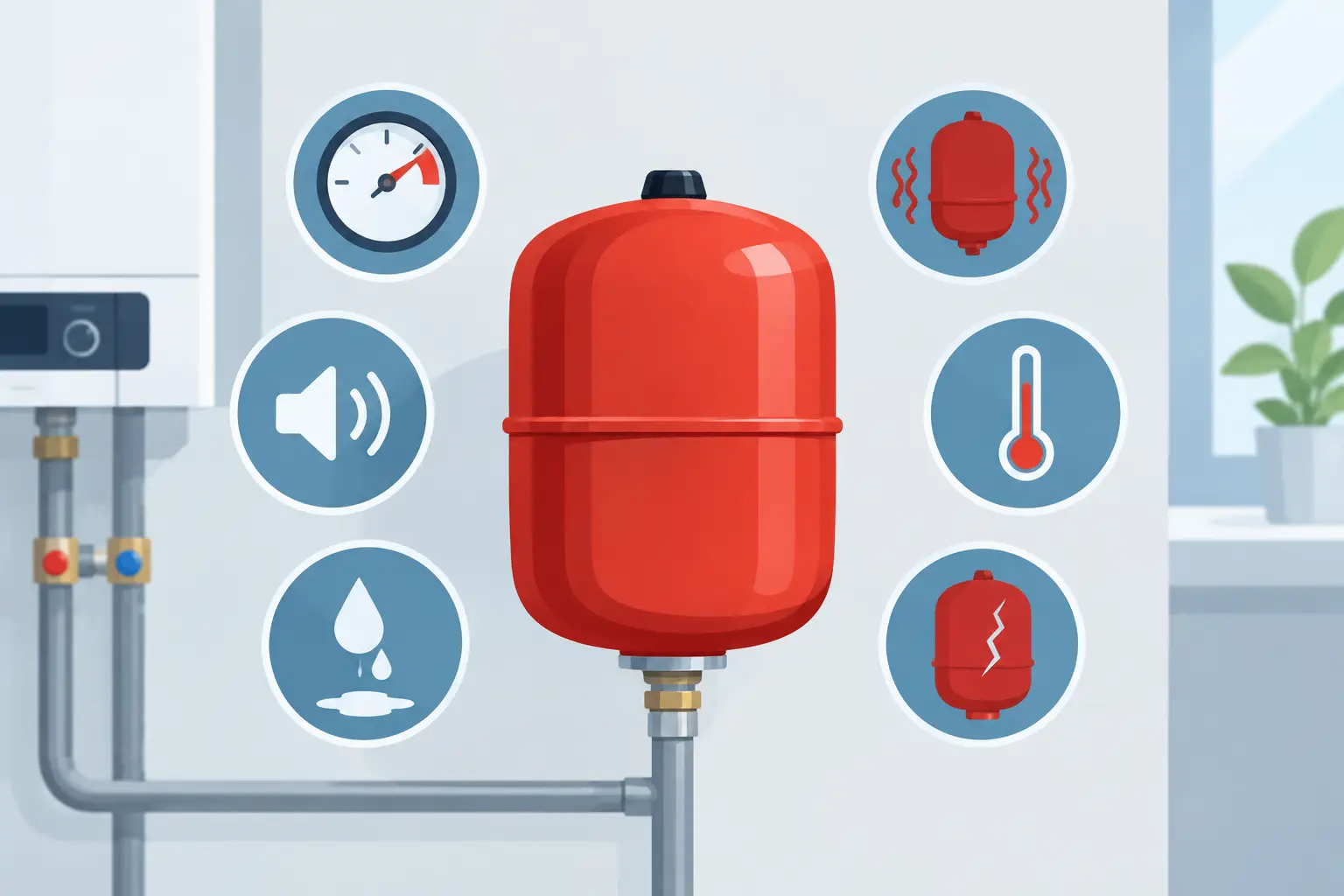
A boiler affected by a frozen condensate pipe will often show a fault code or lockout message on its display. The exact code varies by manufacturer, so check the appliance manual rather than assuming every code means the same thing.
You may also hear gurgling or bubbling sounds from the boiler or pipework shortly before it stops. In many cases, the clearest sign is that the boiler will not provide heating or hot water, even though the controls appear to be switched on.
A fault code, warning light or boiler lockout
Gurgling sounds when the boiler tries to start
No central heating or hot water
A visible external condensate pipe that feels unusually cold
These symptoms can have other causes, including low system pressure, ignition problems or a separate component fault. If safe thawing does not restore normal operation, the boiler should be checked by a qualified Gas Safe engineer.
Safe steps for thawing the pipe
Before attempting anything, identify the external condensate pipe. It is usually a plastic pipe, often white or grey, that leaves the bottom or side of the boiler and runs through an outside wall towards a drain. Do not remove boiler covers or interfere with sealed components.
Use gentle, controlled heat
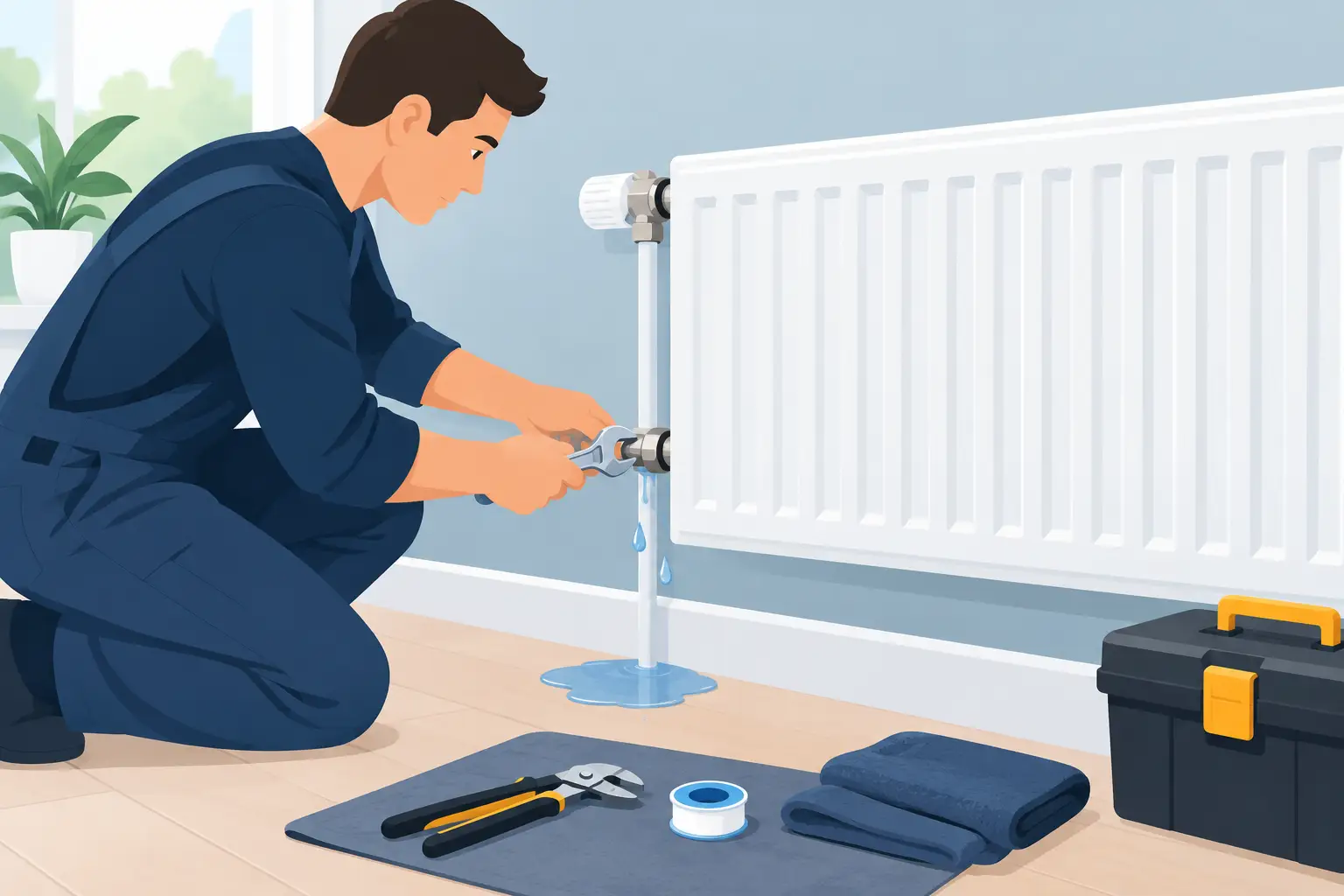
Apply warm, not boiling, water to the suspected frozen section. Pour it slowly over the pipe, working from the end nearest the boiler towards the drain, or use a hot water bottle wrapped in a cloth for steady heat. Boiling water can damage plastic pipework, cause burns and create a sudden temperature change that may split the pipe.
Never use an open flame, blowtorch, heat gun or other uncontrolled heat source. Keep electrical equipment away from wet areas and avoid pouring water over the boiler itself. The aim is to thaw the blockage gradually without damaging the installation.
Reset and monitor the boiler
Once the pipe has thawed, reset the boiler only in line with the manufacturer’s instructions. Some boilers have a dedicated reset button, while others require a particular control sequence. Do not repeatedly reset the appliance if it immediately locks out again.
After restarting, check whether heating and hot water return and listen for further gurgling. Monitor the boiler for a while and look for leaks around the condensate route. If the fault code remains, the boiler will not fire, or the pipe freezes again, switch to professional help rather than continuing to reset it.
Engineering improvements to reduce repeat faults
A recurring frozen condensate pipe usually indicates that the installation could be improved. An engineer can inspect the pipe length, diameter, insulation, route and fall, then recommend a solution suited to the property rather than relying on temporary thawing.
Possible improvements include insulating exposed sections with suitable weather-resistant material, correcting the fall so condensate drains freely and increasing the pipe diameter on longer external runs. Where appropriate and compliant with current requirements, rerouting the condensate pipe internally to a suitable soil stack or waste connection can provide a more reliable arrangement.
Use proper external condensate pipe insulation rather than improvised coverings
Keep external runs as short as practical
Ensure the pipe has a continuous fall with no low points that hold water
Ask an engineer whether a larger diameter or internal route is suitable
These are engineering improvements, not just quick fixes. The correct option depends on the boiler, drainage layout and building construction, so alterations should be completed by a competent professional.
When to arrange professional boiler repairs
Do not dismantle the boiler, open sealed components or attempt to repair gas controls yourself. Contact a Gas Safe engineer if thawing and a manufacturer-approved reset do not resolve the issue, if there is a leak, or if you are unsure which pipe is the condensate pipe.
For help with boiler repairs in Glasgow, contact Chalmers Plumbing & Heating on 01413740274. Alongside diagnosing the immediate fault, the team can assess condensate routing during a service or repair visit and advise on practical improvements for your property.