Best Boiler Efficiency Upgrades for Glasgow Homes
By Chalmers Plumbing & Heating
A boiler can be working perfectly well and still cost more to run than it should. The best boiler efficiency upgrades are not always a new boiler. In many Glasgow homes, the biggest improvement comes from getting the existing system clean, correctly controlled and properly commissioned so heat reaches the rooms that need it without wasting fuel.
The right answer depends on the age and condition of your boiler, the type of property, how you use your heating and whether there are underlying faults. A proper assessment avoids spending money on an upgrade that sounds good but does little for your comfort or bills.
Start with the boiler and system condition
Before choosing any upgrade, establish whether the boiler and central-heating system are doing their jobs properly. A boiler that regularly loses pressure, makes unusual noises, locks out or produces inconsistent hot water needs diagnosis and repair first. New controls cannot compensate for a failing heat exchanger, blocked system water or incorrect boiler settings.
An annual boiler service is a sensible starting point. A Gas Safe-registered engineer can check combustion, safety devices, seals, flue condition and key components, then identify faults before they turn into a no-heating call-out. Servicing is not an efficiency upgrade by itself, but it protects the safe, efficient operation of the equipment you already own.
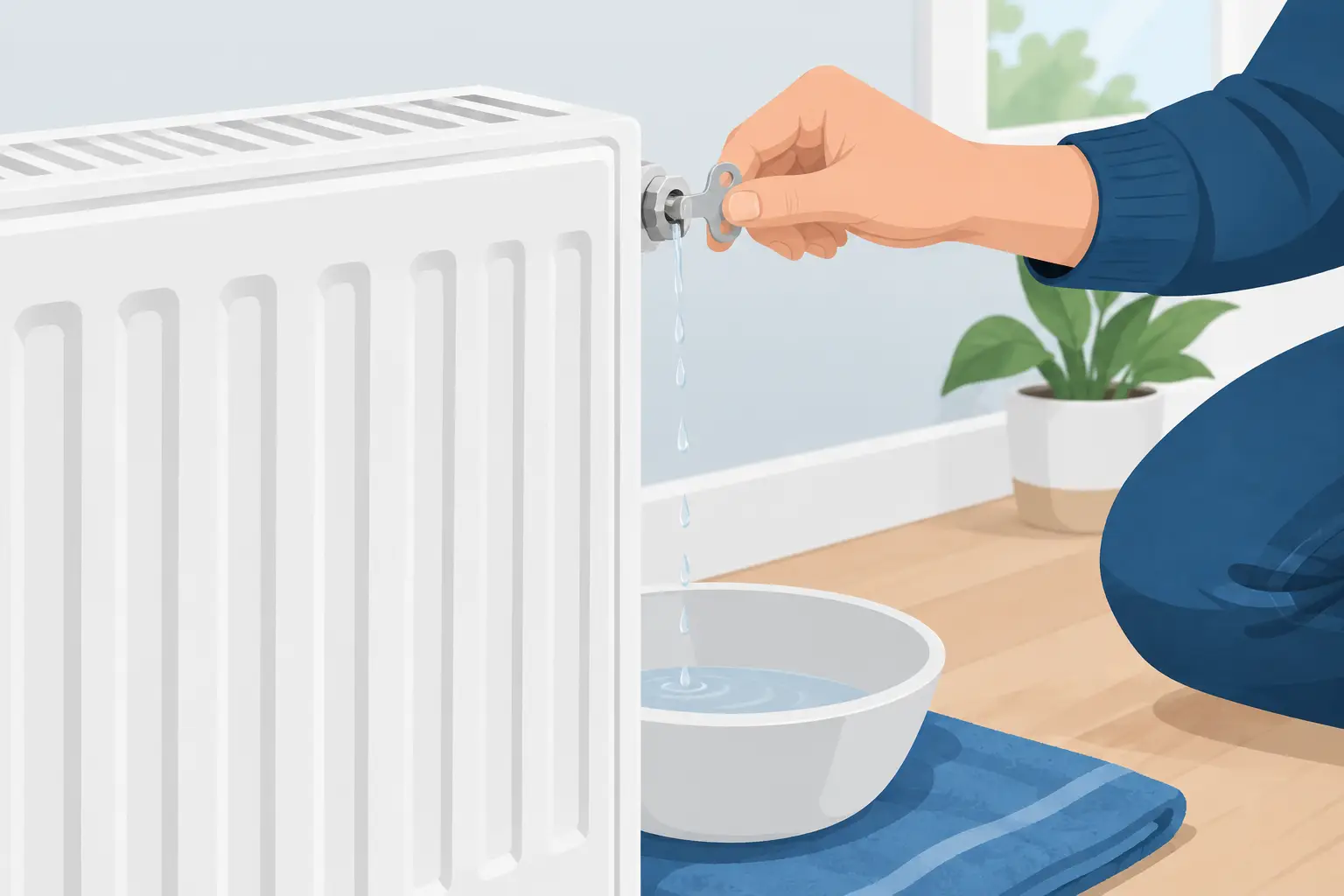
It is also worth looking at the radiators. Cold patches, noisy pipework, slow warm-up times and rooms that never reach temperature can point to sludge, trapped air, poor balancing or an undersized radiator. These are system issues, and they should be addressed before deciding that the boiler is the problem.
Best boiler efficiency upgrades to consider
Smart heating controls and better scheduling
For many households, heating controls are the most cost-effective place to start. A modern programmable thermostat lets you set heating around the times you are actually at home, rather than running it longer than necessary. Smart controls add app access, clearer schedules and, in some cases, features such as geofencing or room-by-room control.
The useful part is not simply being able to control heating from a phone. It is having a system that is easy enough to use properly. If your current programmer is confusing, it may be left on constant or set too high. A good control upgrade should be installed, paired with the boiler correctly and explained clearly before the engineer leaves.
Smart controls are especially helpful in busy family homes, rental properties and small commercial premises with changing occupancy. They are less valuable if the system is already well scheduled and the property is occupied to a very regular pattern. In that case, a straightforward programmable thermostat may offer much of the benefit for less cost.
Thermostatic radiator valves and zoning
Thermostatic radiator valves, often called TRVs, allow individual rooms to be kept at different temperatures. Bedrooms may need less heat than a living room, while a rarely used spare room should not be heated like the main living areas. This gives you more control without constantly adjusting the main thermostat.
For larger homes, extensions and commercial spaces, separate heating zones can be a stronger upgrade. Zoning uses controls and valves to heat different areas independently, such as upstairs and downstairs or offices and storage areas. It needs to be designed around the pipework and boiler capacity, but it can stop one part of the building dictating heating for the whole property.
TRVs should not be fitted in the same room as the main thermostat unless the system has been designed to accommodate this. Otherwise, the controls can work against each other. Correct placement and commissioning matter as much as the products themselves.
Lower flow temperatures and weather compensation
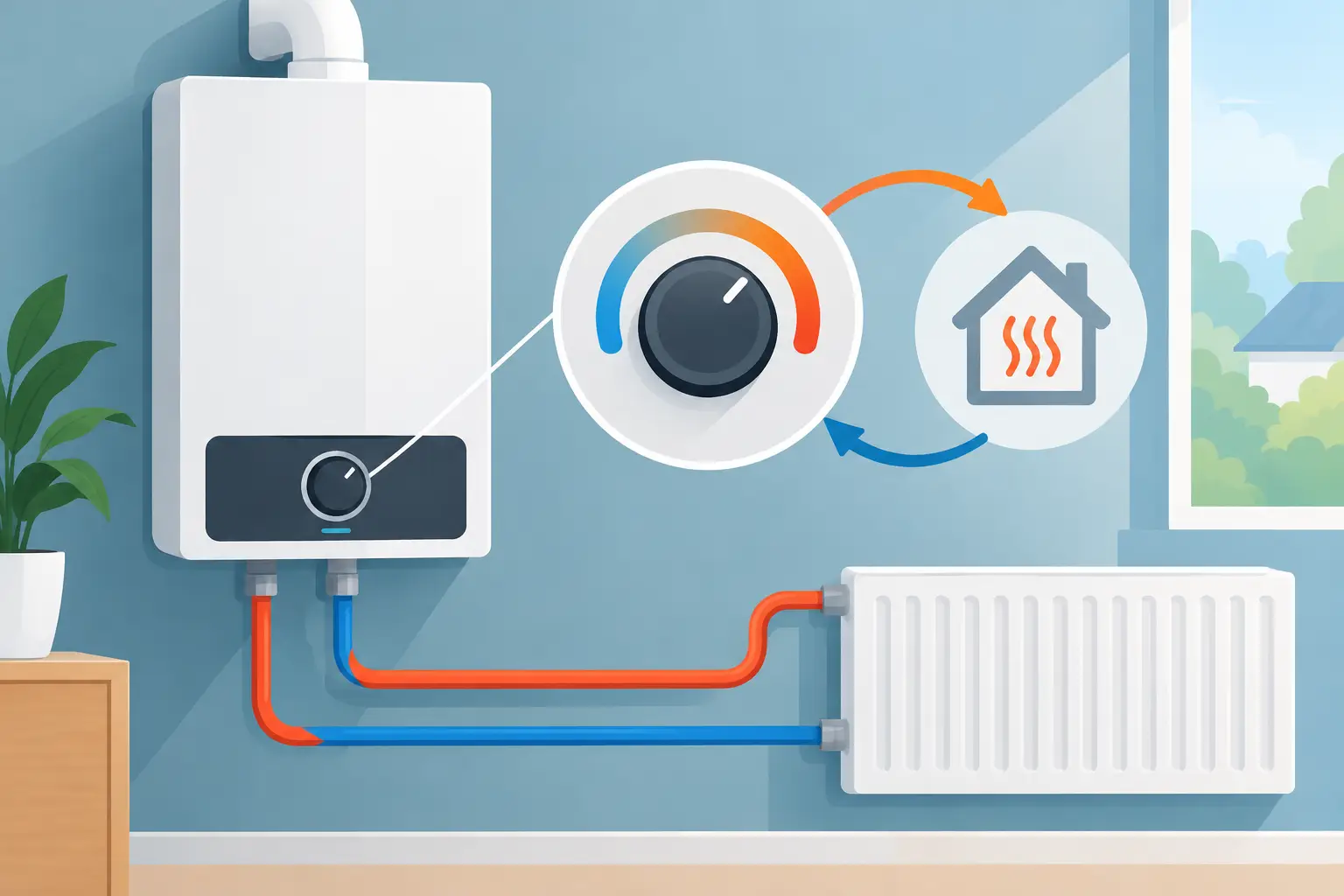
Modern condensing boilers are most efficient when they can recover heat from the flue gases, a process known as condensing. They generally do this more effectively when the heating water returns to the boiler at a lower temperature. Reducing the central-heating flow temperature can help, provided the radiators are capable of heating the property at that lower setting.
This is not a case of turning every boiler down as far as possible. If radiators are small, poorly balanced or partly blocked, a low flow temperature may leave rooms cold. An engineer should assess radiator output, system performance and the property’s heat loss, then set the boiler for a realistic balance between efficiency and comfort.
Weather compensation takes this further. It adjusts the boiler flow temperature in response to outdoor conditions, supplying gentler heat on mild days and more heat during colder spells. Not every boiler or control package supports it, but where compatible it can improve comfort and reduce unnecessary cycling.
Clean system water and a magnetic filter
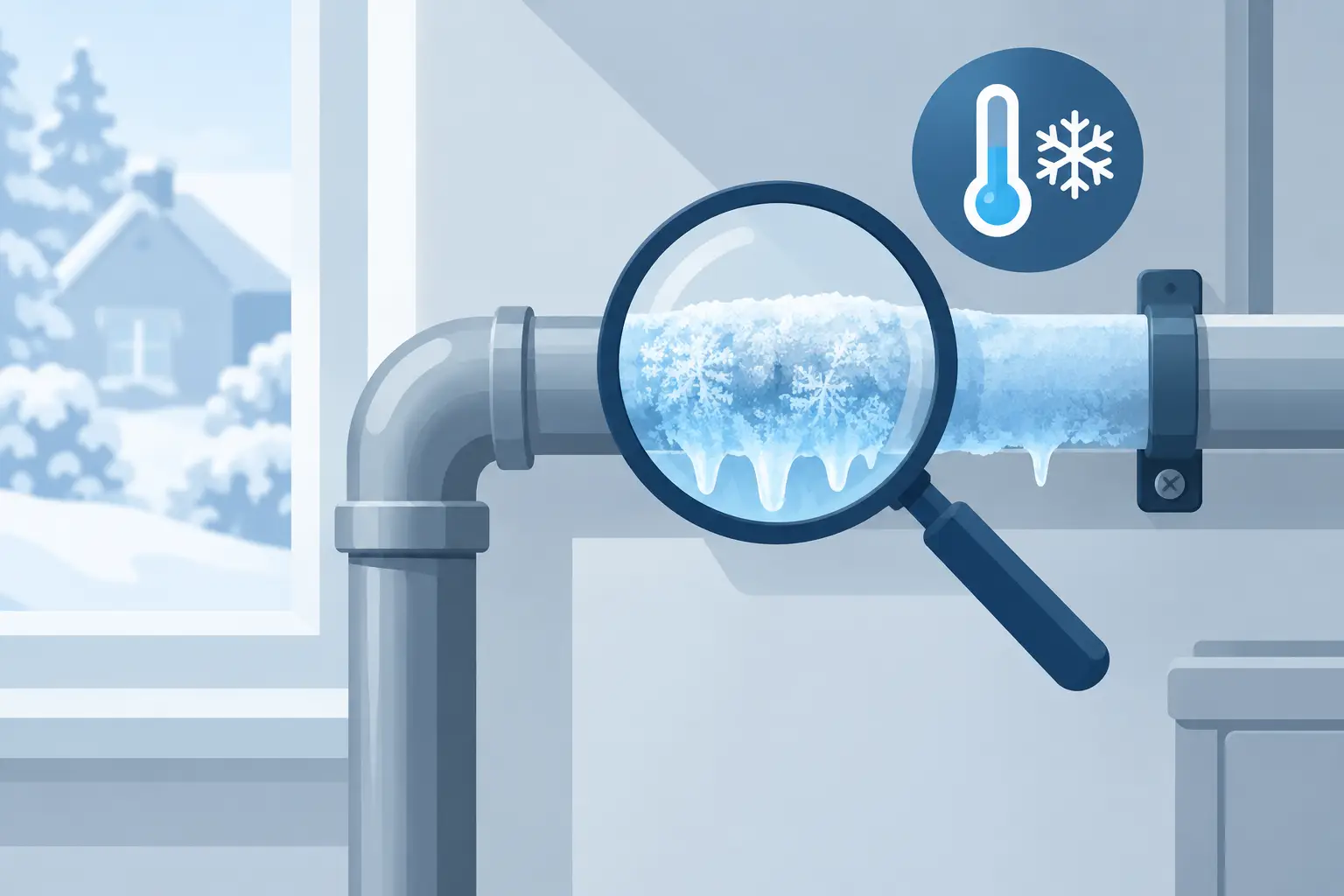
Older heating systems often contain magnetite sludge, rust and other debris. This can settle in radiators and restrict heat output, while also increasing wear on pumps, valves and boiler components. If radiators have cold areas at the bottom or the system repeatedly suffers from circulation issues, a professional clean may be appropriate.
A powerflush is not automatically required whenever a boiler is replaced or serviced. It should be recommended because testing and system symptoms show that contamination is affecting performance. Where it is needed, cleaning the system and adding inhibitor helps protect the new or existing boiler.
A magnetic filter fitted on the return pipe can then capture circulating debris before it reaches sensitive components. It needs checking and cleaning during servicing. On a system with a modern boiler, this is a practical protective measure rather than an optional extra to forget about after installation.
Upgrade the boiler when repair no longer makes sense
If your boiler is old, unreliable or increasingly expensive to repair, replacement may be the right efficiency upgrade. A modern A-rated condensing boiler, selected through a heat-loss assessment and sized correctly for the property, can offer better control, reliability and hot-water performance than an outdated model.
Boiler sizing is critical. An oversized boiler can cycle on and off too frequently, while an undersized unit may struggle at peak demand. The correct choice depends on the building’s heat loss, radiator system, number of bathrooms and the way hot water is used. A family home with two showers being used at once has different requirements from a one-bedroom flat.
Installation quality matters just as much as the boiler model. A proper replacement should include attention to the flue route, condensate drainage, system cleaning where required, controls, inhibitor, commissioning and manufacturer registration. Those details are what allow the equipment to operate as intended and support its warranty.
Do not overlook the heat leaving the building
A boiler only replaces the heat your property loses. Loft insulation, draught reduction, suitable glazing and improvements to poorly performing rooms can reduce demand before the heating system has to meet it. These are not boiler upgrades, but they influence how well any boiler or control strategy performs.
In some properties, particularly those undergoing a major renovation, larger radiators or wet underfloor heating make it easier to run lower water temperatures. That can suit a condensing boiler today and may also prepare the home for a heat pump in future. It is a larger project, so it works best when floors, pipework or rooms are already being renovated.
A sensible order for spending your budget
The most effective approach is usually diagnosis first, then improvements in proportion to the system’s condition. Repair faults, service the boiler and correct obvious circulation problems before fitting advanced controls. Add controls, TRVs and system protection where they will be used properly. Consider replacement only when the current boiler is beyond economical repair, inefficient by design or no longer suitable for the property.
Landlords and property managers should also consider ease of use and service records. Simple controls reduce avoidable tenant call-outs, while documented servicing, commissioning and repairs provide a clear maintenance history for the property.
A heating upgrade should make the property more comfortable as well as more efficient. Ask for a clear explanation of what is causing the current problem, what work is proposed and what result you can realistically expect. If you are unsure where to begin, a qualified engineer can assess the boiler, radiators and controls together, then recommend the work that genuinely suits your home or premises.