What Does a Boiler Service Include? What Engineers Check and Why it Matters
A clear, homeowner‑friendly checklist of what happens during a boiler service and how it helps keep your heating safe and dependable.
By Chalmers Plumbing & Heating
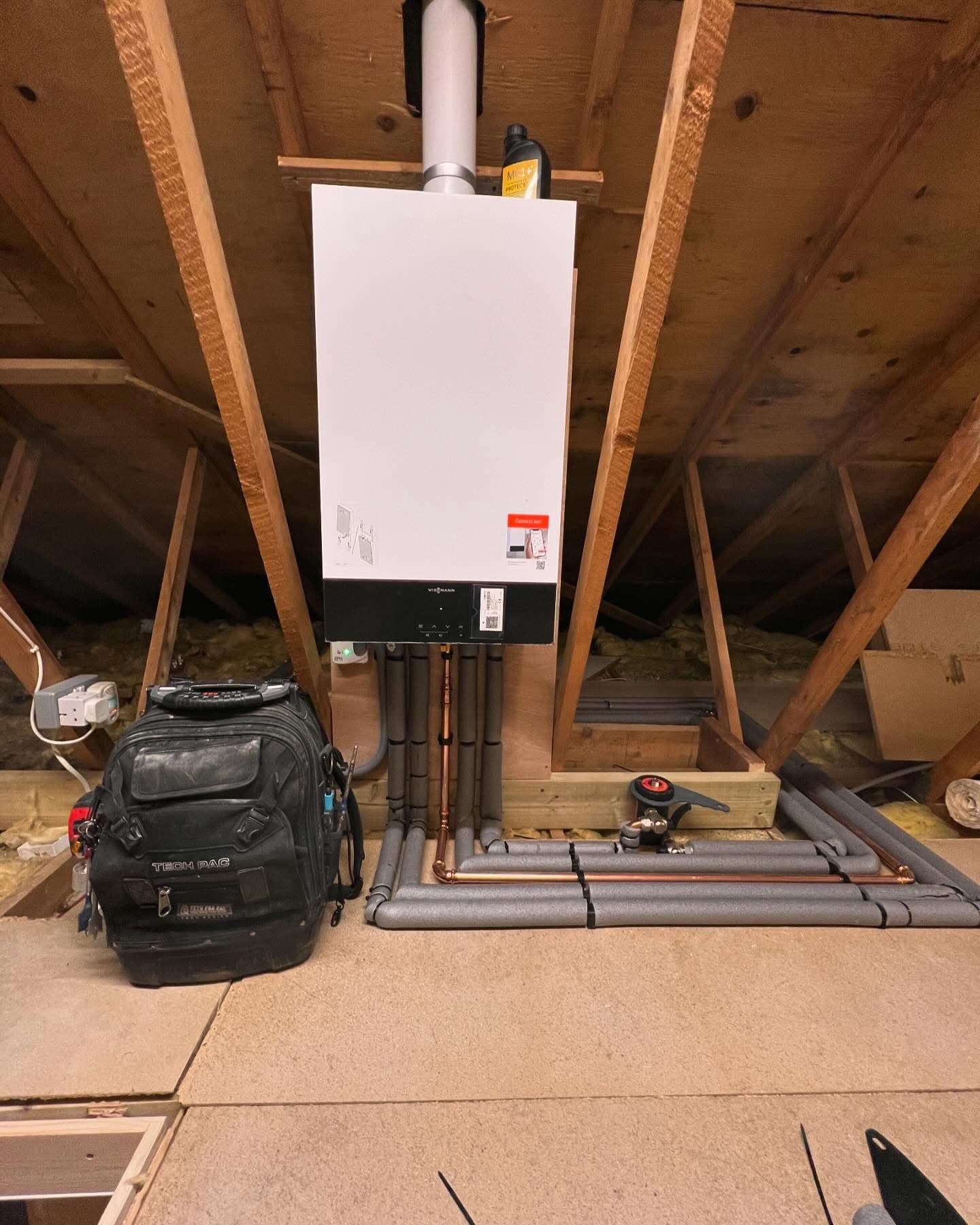
If you are booking an annual boiler service, it helps to know exactly what the engineer will be checking and how it benefits your home. A clear checklist can make the visit feel less mysterious and more like a routine health check for your heating.
Key checks your Gas Safe engineer typically carries out
Every boiler and installation is slightly different, but most modern boiler services will follow a similar structure. Below is a simplified version of what a Gas Safe engineer is likely to work through during a routine annual visit.
1. Visual inspection of the boiler and pipework
The engineer will start with a careful visual check of the boiler, surrounding pipework and nearby area. They are looking for obvious signs of wear, damage or poor installation that could affect safety or performance.
This may include checking for stains, corrosion, leaks, scorch marks, or signs that someone has previously altered the appliance. They also confirm that the boiler is suitable for the location and used in the way the manufacturer intended.
Clearances around the boiler and access for servicing
Signs of water leaks or corrosion on pipes and joints
Condition of the boiler case, seals and visible components
Any obvious unsafe DIY alterations or missing parts
2. Flue and ventilation checks
Safe removal of combustion products is critical, so the flue receives careful attention. The engineer checks that the flue is correctly routed, adequately supported and not damaged or obstructed.
They will also look at ventilation around the boiler and, where required, in the room. Adequate air supply helps the boiler burn gas correctly and reduces the risk of fumes building up indoors.
3. Gas tightness and connection checks
During a service, the engineer typically checks that the gas pipework supplying the boiler is sound at the appliance. They look for secure joints and correct sizing so the boiler can receive enough gas for safe operation.
Depending on access and local practice, they may also carry out a wider gas tightness test at the meter to confirm there are no leaks on the system. Any concerns here would usually be treated as a safety priority.
4. Combustion analysis where applicable
On many modern boilers, the engineer uses a flue gas analyser to check how efficiently and safely the boiler is burning gas. A probe is placed into a test point on the flue to measure the levels of gases such as carbon monoxide and carbon dioxide.
The readings help confirm that the boiler is set up correctly and within the manufacturer’s specified range. If needed, fine adjustments can be made to improve combustion and reduce the risk of unsafe operation.
5. Safety devices, seals and internal components
Inside the boiler, there are several safety devices designed to shut the appliance down if something is not right. During a service, the engineer will usually check these components for correct operation and condition.
This often includes checking flame detection, overheat protection and other internal sensors. The boiler case seals and burner door seals are also checked and refitted correctly to ensure products of combustion remain contained and safely flued.
6. Condensate trap and pipework
Most modern condensing boilers produce condensate, which needs to drain away freely. The engineer will typically check the condensate trap, clean it as required and make sure the pipework is properly connected and not blocked.
Keeping the condensate route clear helps prevent nuisance lockouts in cold weather and reduces the chance of water damage if a pipe backs up or freezes.
7. System pressure and expansion (where relevant)
On sealed systems, the pressure in your heating circuit is an important part of safe, reliable operation. The engineer will usually check the system pressure and top it up to the recommended level if appropriate.
They may also test the expansion vessel and safety relief valve that protect the system as water heats and expands. On open-vented systems the checks are slightly different, but the goal is similar: a stable, well balanced heating system.
8. Controls, thermostats and basic operation
Finally, the engineer will usually run the boiler and check that it responds correctly to your controls. This can include the room thermostat, programmer, cylinder thermostat and any smart controls you have fitted.
They are looking for smooth ignition, stable running and proper shut-down when the demand is satisfied. Clear labelling and a quick explanation of how to use your controls may also be part of the visit, helping you feel more confident managing your heating.
Benefits of regular boiler servicing beyond the cost
Regular servicing is less about chasing savings on bills and more about peace of mind. Knowing that a qualified Gas Safe engineer has checked your boiler makes it easier to relax when the heating is on.
It also supports day to day reliability. Many sudden breakdowns are linked to parts that have been slowly deteriorating, and a good service can highlight early warning signs before they turn into a no-heat situation.
If your boiler is still within its manufacturer warranty period, keeping up with annual servicing is often required to maintain that cover. Having a clear record of professional services can also be reassuring for future buyers if you ever sell your home.
How to prepare for a boiler service visit
A little preparation makes the engineer’s job smoother and helps them complete a more thorough check. It also means less disruption for you on the day.
Clear access to the boiler, flue terminals and controls
Have your boiler manual and any previous service records to hand
Note any recent noises, error codes or behaviour changes
Mention cold radiators, frequent pressure loss or hot water issues
Try to keep pets away from the work area and make sure someone over 18 is at home throughout the visit. If the boiler is in a cupboard, removing stored items in advance helps the engineer work safely and efficiently.
Service vs repair: what a service can and cannot do
An annual service is designed for a boiler that is broadly working, even if it has minor niggles. It focuses on checks, cleaning and settings rather than fault finding.
If your boiler is not working at all, repeatedly locking out or showing ongoing error codes, you will usually need a fault diagnosis and boiler repair visit instead. In many cases, the engineer can then complete a service once the underlying issue has been fixed.
When you contact an engineer, explain whether the boiler is currently working and describe any symptoms. This helps them book the right type of appointment, whether that is a routine boiler service or a focused repair visit.
Booking your boiler service with confidence
With a clear checklist in mind, an annual boiler service becomes a straightforward part of looking after your home. It supports safe operation, dependable heating and helps you stay in line with the servicing that manufacturers often require during the warranty period.
If you are ready to book or want to talk through any concerns about your heating, contact Chalmers Plumbing & Heating on 01413740274. A Gas Safe registered engineer can guide you on the right visit type and keep your boiler working reliably for the seasons ahead.