Energy Efficiency That Starts With Your Heating

By Chalmers Plumbing & Heating

A heating system that runs constantly but still leaves a back bedroom cold is not simply inconvenient. It is usually a sign that energy efficiency is being lost somewhere in the system - through poor control, incorrect setup, heat loss from the building, or equipment that no longer suits the property.
For homeowners, landlords and businesses, lower energy use is rarely about one dramatic change. The best results usually come from identifying what is making the system work harder than it should, then putting the right improvements in the right order. That may be as straightforward as servicing a boiler and setting the controls properly, or it may point to radiators, pipework, insulation or a replacement heating system.
Energy efficiency begins with an honest assessment
A new boiler can be more efficient than an old one, but replacing the boiler alone will not fix every heating problem. If a system is poorly balanced, full of sludge, controlled by an old timer or trying to heat a draughty extension, even good equipment can perform below expectation.
A proper assessment starts with how the building is used. A family home occupied all day needs a different heating pattern from a rental flat that is empty during working hours. A shop, office or larger commercial property may need separate zones so that unused areas are not heated unnecessarily.
The starting point should include the boiler's age and condition, radiator performance, hot-water demand, controls, insulation and obvious signs of heat loss. In a renovation or new build, a heat-loss calculation is particularly important. It helps determine the output required in each room, rather than relying on a boiler size chosen by guesswork.
Correct sizing matters at both ends of the scale. An undersized boiler may struggle to provide heat and hot water at busy times. An oversized boiler may cycle on and off too frequently, increasing wear and reducing efficient operation. The aim is equipment that meets demand reliably without continually running beyond what the property needs.
Where homes commonly waste heat
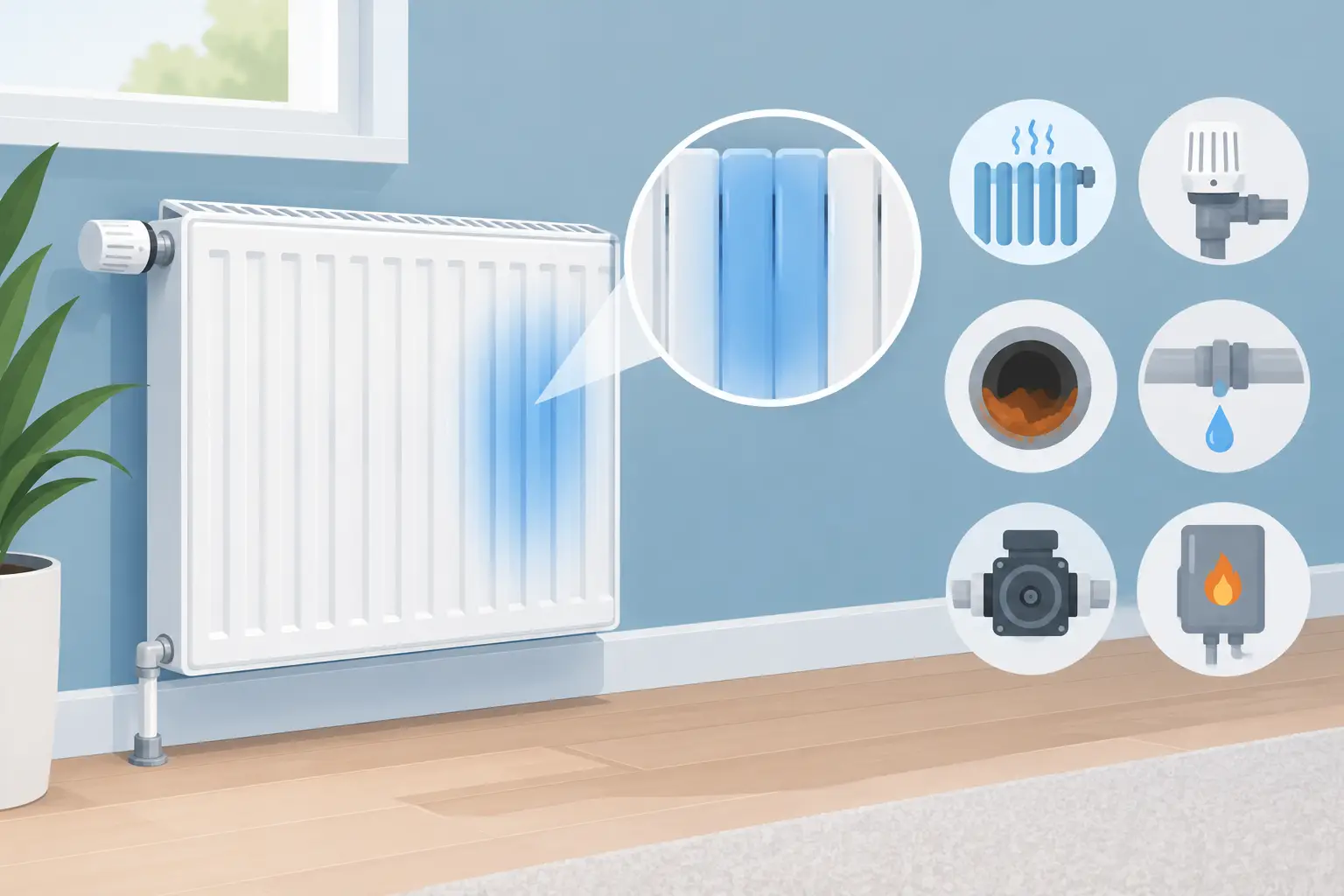
Heat can escape through walls, lofts, windows and poorly sealed gaps, but the heating system itself also deserves attention. A radiator that is cold at the bottom, noisy pipework, rooms that warm up at very different rates and a boiler that repeatedly fires for short periods are all worth investigating.
Sludge and debris can restrict water flow through radiators and pipework. This often develops gradually, so it is easy to accept cold spots or slow warm-up times as normal. Where a system is suitable, a professional powerflush can remove contamination and restore circulation. It is not a universal cure, and it should not be recommended without diagnosis, but it can make a significant difference to an older central-heating system.
Poorly positioned or outdated controls are another common issue. If the thermostat is in a warm hallway, near a heat source or exposed to a draught, it may not give an accurate reading of the living areas. Likewise, a basic timer that only offers broad on-and-off periods can lead to unnecessary heating when nobody needs it.
Controls that put heating where it is needed
Smart heating controls are useful when they make daily operation simpler, not when they add another app that nobody uses. The practical advantage is better control over timings, temperatures and zones. You can reduce heating while the property is empty, bring it back up before you return, and avoid warming rooms that are rarely used.
For many homes, a programmable thermostat with thermostatic radiator valves is a sensible combination. The main thermostat manages the overall temperature, while radiator valves allow cooler settings in bedrooms, spare rooms or hallways. Care is needed here: the room containing the main thermostat should normally have its radiator valve fully open, otherwise the two controls can work against each other.
Larger properties and commercial premises often benefit from zoning. Separating an upstairs and downstairs circuit, for example, allows each area to operate around its own routine. This can be particularly helpful where occupancy varies across the building, although the design needs to suit the existing system and pipework.
Boiler servicing protects efficient performance
Annual boiler servicing is about safety and reliability, but it also supports efficient operation. During a service, an engineer checks key components, combustion, flue performance and system pressure, then identifies developing issues before they turn into a loss of heating or hot water.
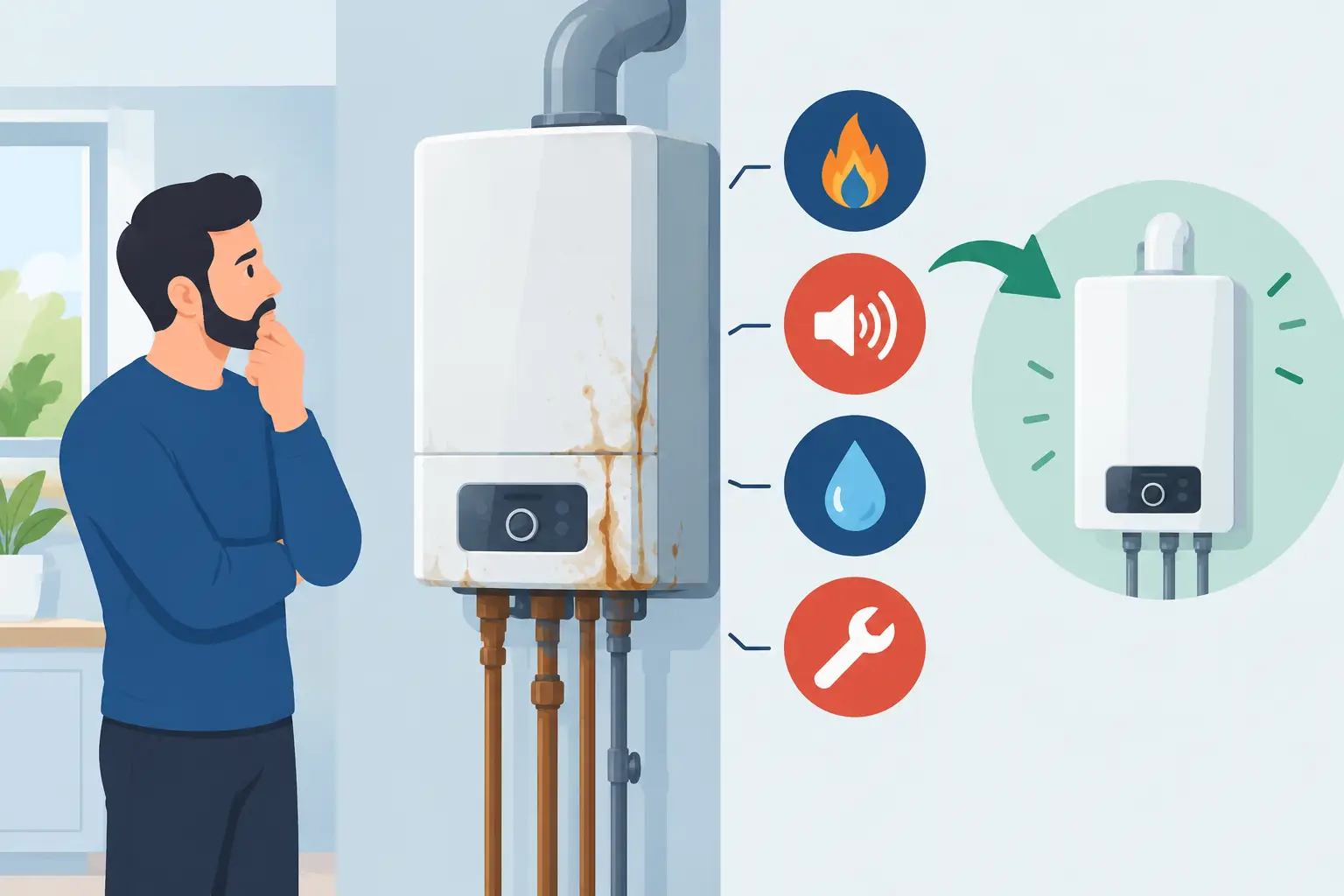
A boiler may still appear to work while operating inefficiently. Worn parts, incorrect pressure, a failing pump or combustion issues can affect performance long before the appliance stops altogether. For landlords, regular servicing and the appropriate gas-safety checks also provide the documented evidence needed to meet their responsibilities.
Modern condensing boilers are designed to recover heat that older models send out through the flue. They work best when the heating system is set up to allow cooler water to return to the boiler. The right temperature settings depend on the property, radiator size and comfort requirements. Turning temperatures down without checking that rooms can still reach a comfortable level can create a false economy, so adjustments should be made carefully.
When an upgrade is the sensible option
There comes a point when repeated repairs on an ageing boiler stop being the best long-term decision. Frequent faults, hard-to-source parts, rising repair costs and inconsistent hot water are all reasons to consider replacement. A new boiler should be selected following a check of the property's heat and hot-water needs, not simply matched to the model that was there before.
There are also occasions when a broader change makes more sense. Underfloor heating can provide even, low-temperature heat and is often well suited to extensions, renovations and new build. Heat pumps can be an effective option for properties with a suitable heat-loss profile, adequate insulation and correctly sized emitters. They are not a like-for-like boiler swap, however. The design, radiator capacity, hot-water cylinder and installation standard all affect the result.
Before spending money on a major system, it is usually worth prioritising the measures that address the biggest source of waste:
- Deal with serious draughts, insulation gaps and unresolved damp issues.
- Make sure the existing boiler and controls are operating correctly.
- Improve circulation, balancing and radiator output where needed.
- Consider replacement equipment once the property's actual demand is understood.
This order will vary. A failed boiler may require prompt replacement, while a renovation offers the opportunity to plan insulation, heating distribution and controls together. The key is avoiding an upgrade that is expected to compensate for problems elsewhere.
Energy efficiency for landlords and businesses
For landlords, an efficient heating system can mean fewer complaints about cold rooms, more dependable hot water and lower risk of preventable breakdowns. Clear records of servicing, repairs and commissioning also make property management easier. Tenants should still be shown how to use the controls, as even a well-designed system can be wasted if it is left on maximum or switched off completely during cold weather.
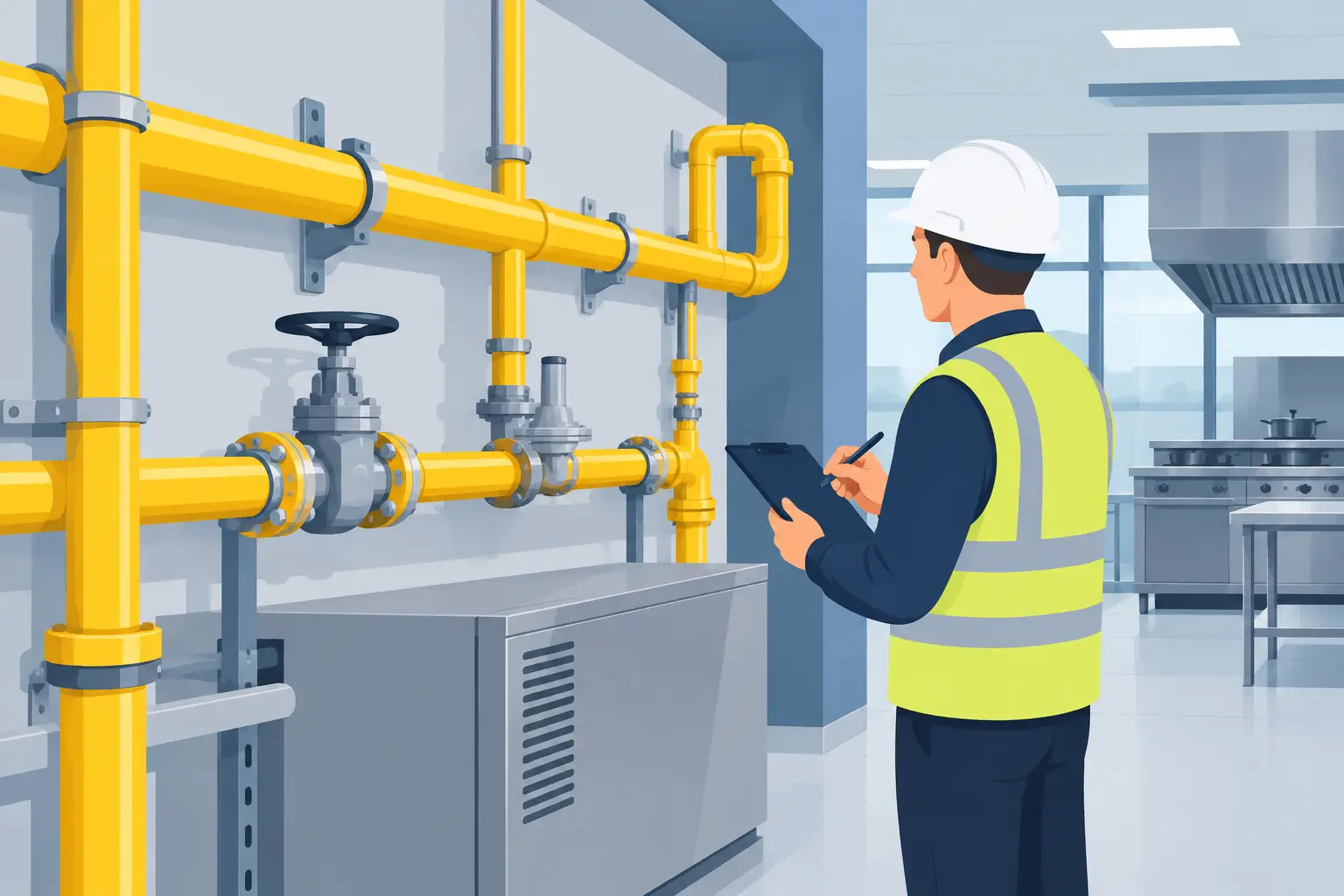
For businesses, energy use often depends on operating hours and how different areas are occupied. Heating an empty meeting room, stock area or upper floor to the same temperature as a busy workspace is an avoidable cost. Zoned controls, programmed schedules and regular maintenance can make a measurable difference without disrupting day-to-day operations.
Commercial work needs the same attention to diagnosis as domestic heating, with the added need to consider plant capacity, safety requirements, access and continuity of service. A short shutdown may be manageable in one business and unacceptable in another, so planning matters as much as the equipment chosen.
A practical first step
If your heating costs feel out of proportion, start by noting the symptoms. Which rooms stay cold? Does the boiler cycle repeatedly? Are bills rising despite similar use? Is hot water inconsistent? These details help an engineer assess the problem properly rather than applying a generic fix.
At Chalmers Plumbing & Heating, we look at the condition and setup of the whole system, explain the findings in plain language and recommend work that fits the property. Whether the answer is a service, better controls, a powerflush, a boiler replacement or a wider heating upgrade, the work should be correctly installed and commissioned.
A comfortable property should not need constant adjustment to stay warm. Arrange a professional assessment when the system first shows signs of inefficiency, and you can make decisions based on the condition of your heating rather than waiting for a breakdown to force the issue.