When Is a Falkirk Boiler Replacement Worth It?
By Chalmers Plumbing & Heating
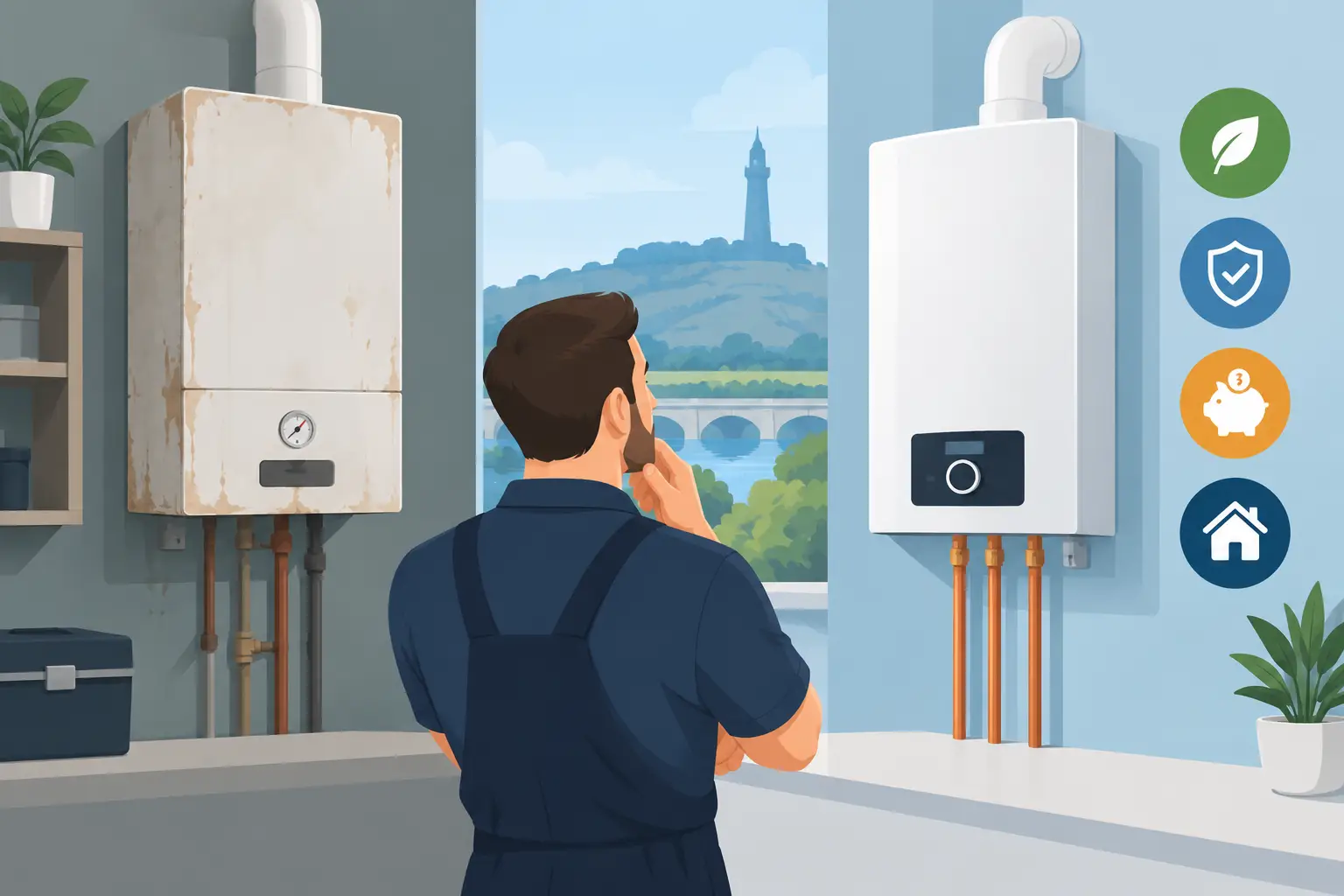
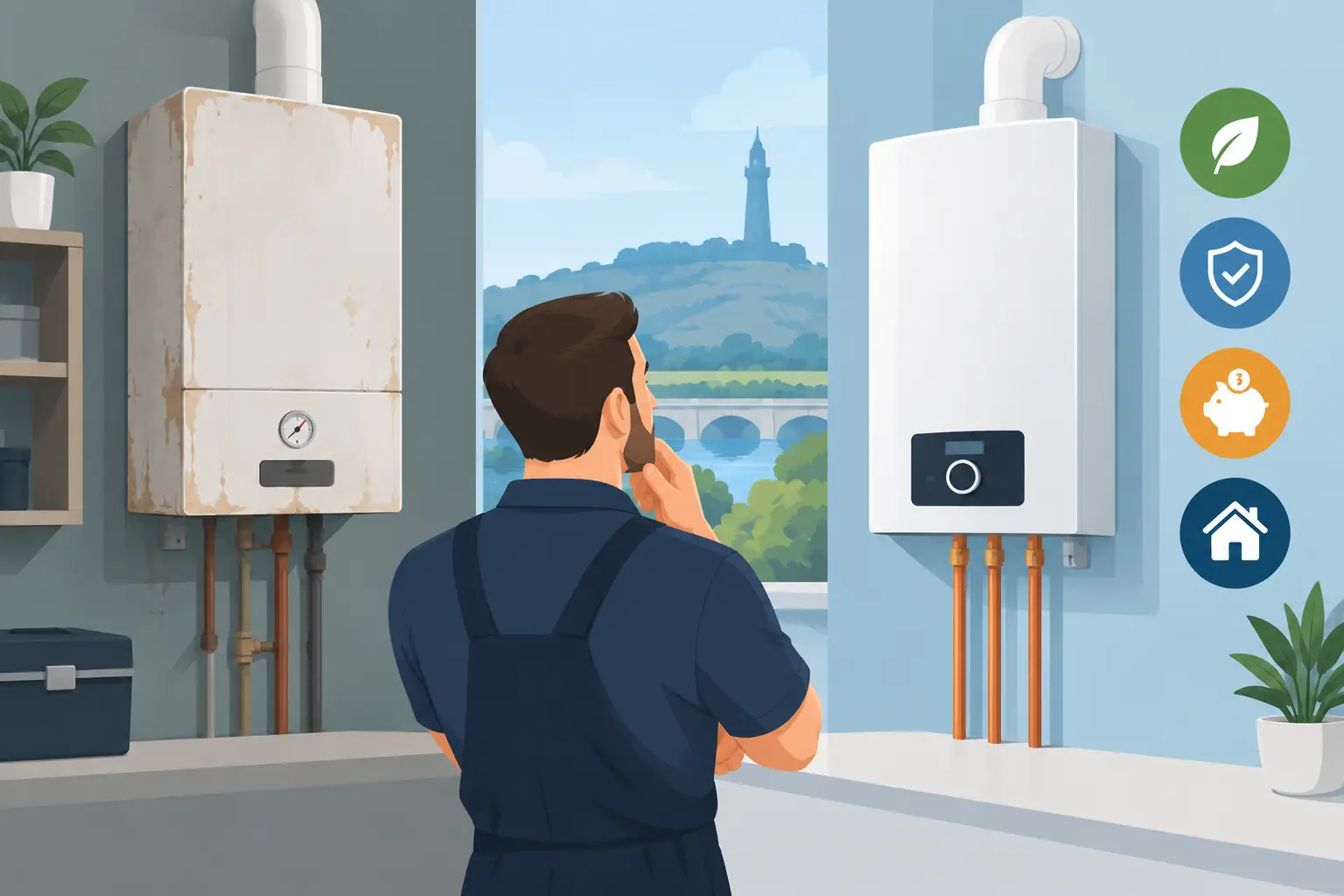
A boiler rarely fails at a convenient time. It may begin with intermittent hot water, a pressure warning that keeps returning, or a repair bill that feels hard to justify on an ageing appliance. A Falkirk boiler replacement is not automatically the answer to every fault, but it can be the sensible long-term choice when reliability, efficiency and repair costs no longer stack up.
The right decision starts with an honest assessment of the boiler, the condition of the heating system and how the property is used. A good installer should explain the options plainly, rather than simply recommending the most expensive boiler available.
When to consider a Falkirk boiler replacement
Age is a useful starting point, but it is not the only factor. Many boilers give dependable service for 10 to 15 years when they have been serviced regularly. Once a boiler is older, though, parts can become harder to source and repairs may only postpone a more significant failure.
Replacement is often worth considering where faults are recurring, especially if they involve expensive components such as the heat exchanger, fan, pump or main circuit board. A single repair on a relatively modern boiler may be worthwhile. Several call-outs in a short period, declining performance and rising repair costs are a different situation.
You may also notice that the boiler no longer suits the household. Perhaps an extension has added radiators, a new shower has reduced hot-water performance, or the property is now occupied differently. A correctly specified modern boiler can address these practical problems, but only if the rest of the system is considered at the same time.
For landlords and property managers, reliability has an additional value. A boiler that repeatedly loses pressure or fails to provide heat can create disruption for tenants and urgent work at short notice. Planned replacement gives more control over timing and allows the installation to be documented properly.
Repair or replace: making a fair comparison
The question is not simply whether a boiler can be repaired. In many cases, it can. The better question is whether repair represents good value and gives you reasonable confidence for the years ahead.
If the fault is straightforward, the boiler has a sound service history and replacement parts are readily available, a repair may be the right route. This is particularly true for a boiler that is only a few years old. A competent engineer should diagnose the cause of the fault before discussing replacement, rather than treating a new installation as the default answer.
Replacement becomes more compelling where the boiler is inefficient, obsolete, unreliable or poorly matched to demand. Older non-condensing boilers waste considerably more heat through the flue than a modern condensing model. Even an older condensing boiler may be worth upgrading if it is becoming unreliable, although expected savings depend on household usage, insulation, heating controls and how well the new system is set up.
It is sensible to compare the likely repair cost with the boiler’s age, condition and warranty position. No one can guarantee that an older appliance will not develop another fault. Clear advice means being upfront about that uncertainty.
Boiler size is not just about the number on the box
One of the most common mistakes in boiler replacement is choosing a larger output without checking what the property actually needs. More power is not automatically better. An oversized boiler may cycle on and off too frequently, while an undersized one can struggle to heat the home or provide sufficient hot water at busy times.
A proper assessment looks at heat loss, radiator output, insulation, property layout and the number of bathrooms. Hot-water demand also matters. A two-bedroom flat with one shower has very different requirements from a family home where two showers may be used close together.
Combi boilers are a popular choice where space is limited and hot water is needed on demand. They remove the need for a separate hot-water cylinder, but their performance is limited by the incoming mains water flow rate. If several bathrooms need strong simultaneous hot-water supply, a system or regular boiler with a cylinder may be more suitable.
The answer depends on the property, not a one-size-fits-all recommendation. Discussing daily routines at the quotation stage helps ensure the chosen boiler works properly after installation, rather than merely fitting neatly in the cupboard.
What a professional installation should include
A boiler is only as good as its installation. The appliance itself matters, but the reliability, efficiency and safety of the completed system depend on the work around it.
Before installation, the engineer should check the existing pipework, flue route, condensate drainage, gas supply and heating controls. Some older systems benefit from powerflushing or chemical cleaning before the new boiler is connected. This helps remove sludge and debris that can restrict circulation and damage components in a modern boiler.
The installation should also include appropriate system protection, commonly a magnetic filter to collect circulating debris and inhibitor to reduce internal corrosion. Radiators may need balancing so that heat is distributed evenly through the property. If certain rooms are always cooler than others, replacing the boiler alone may not solve the issue.
Modern controls are equally important. A programmable thermostat, thermostatic radiator valves and sensible heating zones allow the system to respond to how the property is actually occupied. Smart controls can be useful for households with changing schedules, but they should be set up clearly rather than added as a gadget with no explanation.
Once fitted, the boiler must be commissioned correctly. This includes safety checks, combustion analysis where required, pressure checks, control settings and confirmation that the heating and hot water operate as intended. The installer should register the manufacturer warranty and provide the required records. For landlords and commercial premises, accurate documentation is especially important for ongoing compliance and planned maintenance.
Choosing an installer in Falkirk
Price matters, but a quote should be compared on what it includes. A low figure may not allow for system cleaning, controls, flue alterations, waste removal, warranty registration or remedial work found during installation. Asking a few practical questions upfront can prevent confusion later.
Confirm that the engineer is Gas Safe registered and qualified for the work being carried out. Ask how the boiler size will be decided, whether the existing system will be cleaned, what controls are included and how commissioning will be documented. You should also know who to contact if there is a problem after completion.
For a straightforward like-for-like change, disruption is often limited. More involved work, such as relocating a boiler, changing from a conventional system to a combi, or upgrading old pipework, takes longer and may require additional building work. A clear survey and written quotation should set out these differences before work begins.
Chalmers Plumbing & Heating approaches replacements with the same attention to diagnosis, sizing and commissioning as any other heating project. That means explaining what is necessary, turning up as agreed and leaving the customer with a system that has been properly checked.
Looking after the new boiler
A new boiler still needs annual servicing. Regular servicing helps keep the warranty valid, identifies developing faults early and checks that the appliance is operating safely. It is also worth keeping an eye on system pressure and responding promptly to leaks, unusual noises or repeated error codes.
Avoid turning the thermostat up and down sharply in an attempt to heat rooms faster. The thermostat sets the target temperature, not the speed of heating. Consistent settings, sensible schedules and correctly balanced radiators generally provide better comfort and more controlled energy use.
A replacement boiler should remove uncertainty, not create more of it. Take the time to understand why a particular model and system layout have been recommended, and you will be in a far stronger position to enjoy dependable heating and hot water for years to come.