A Guide to Low Temperature Heating at Home

By Chalmers Plumbing & Heating

A heating system can be working without heating a property particularly well. Rooms may take too long to warm up, a boiler may cycle on and off, or certain radiators may never feel quite hot enough. This guide to low temperature heating explains how a properly designed system can deliver steady comfort while using less energy.
Low temperature heating is not simply a matter of turning down the thermostat. It is about supplying heat at a lower water temperature while ensuring the property has enough emitter area, suitable controls and an accurately sized heat source. Get those details right and the result is more even warmth, lower running temperatures and a system that is ready for efficient technologies such as heat pumps.
What is low temperature heating?
Conventional central-heating systems have often been designed around relatively hot water flowing through radiators. A typical older system may send water out at 70°C or more, returning cooler water to the boiler. Low temperature heating reduces that flow temperature, commonly to around 35°C to 55°C depending on the system, property and weather conditions.
Lower-temperature water still heats a room. The difference is that radiators, underfloor circuits or fan-assisted emitters need sufficient capacity to release the required heat. Underfloor heating is particularly well suited because it spreads gentle heat across a large floor area. Larger radiators can achieve the same effect where a traditional radiator layout is preferred.
The aim is not to make radiators feel scorching hot to the touch. It is to keep rooms at their chosen temperature consistently and efficiently. A radiator that feels warm rather than hot may be doing exactly what it should.
Why the flow temperature matters
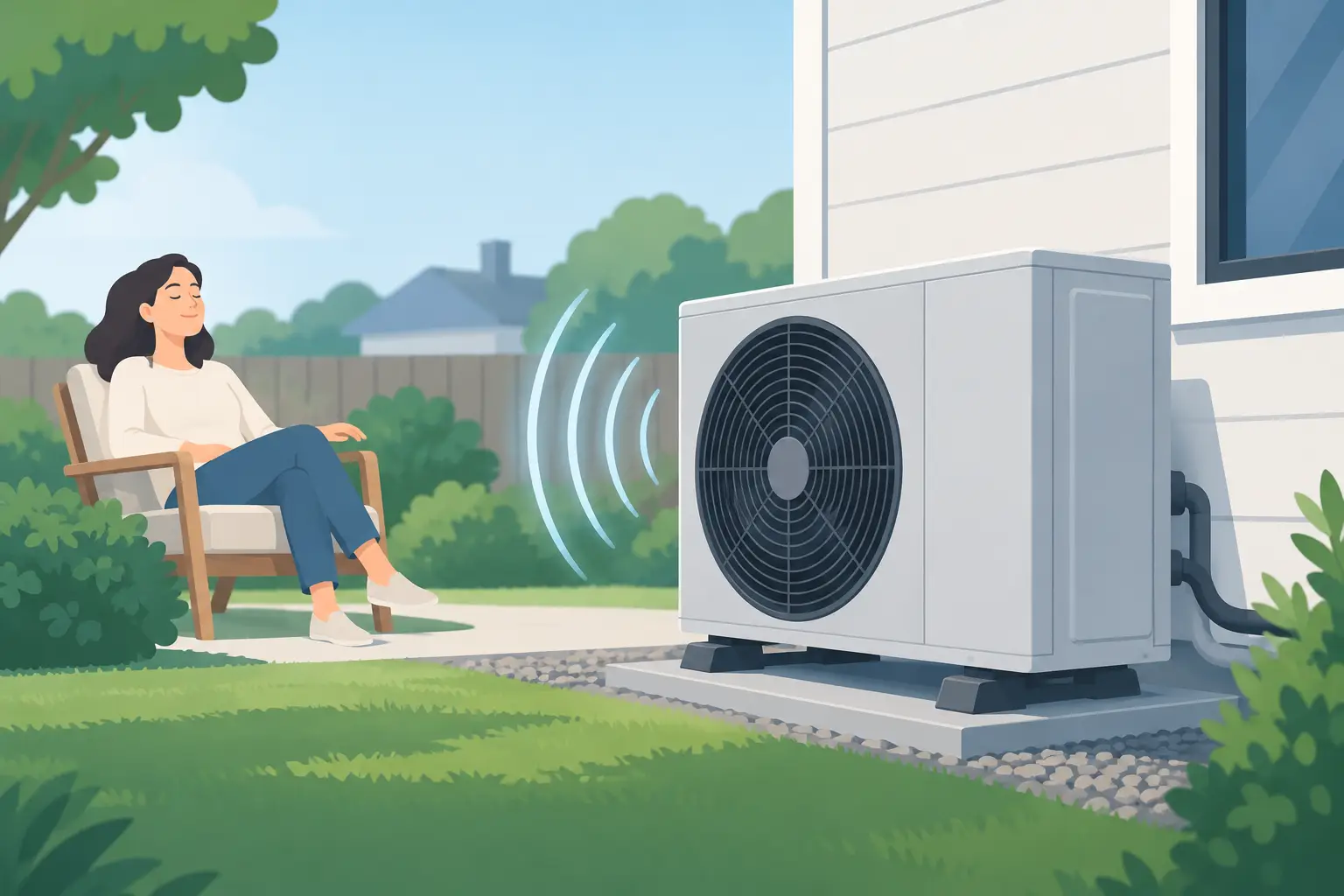
A lower flow temperature can reduce energy use, but the benefit depends on the heat source. Heat pumps work most efficiently when they are not being asked to produce very hot water. Reducing the flow temperature can improve their performance significantly, which is why heat-loss calculations and radiator sizing are central to a heat-pump installation.
Modern condensing gas boilers also benefit. They are most efficient when the return water temperature is low enough for the boiler to recover heat from the flue gases through condensation. Many boilers are installed with controls or settings that keep the system running hotter than necessary, particularly where the original design has never been reviewed.
There is a trade-off. If the temperature is reduced too far without increasing radiator output or addressing heat loss, rooms may not reach temperature on cold days. A good design is based on the property, not a single setting copied from another home.
Start with the heat loss, not the appliance
The most useful first step is a room-by-room heat-loss assessment. This calculates how much heat each room loses through walls, windows, floors, roofs and ventilation when the outside temperature is low. It accounts for room size, construction, insulation levels and the intended indoor temperature.
This work informs the entire design. It helps determine whether existing radiators are large enough, whether underfloor heating is practical, what flow temperature is realistic and how large a boiler or heat pump needs to be. It also prevents the common mistake of choosing a heat source based only on the size of the existing appliance.
For example, a well-insulated extension with underfloor heating may need very little heat at a low flow temperature. An older front room with a suspended timber floor, single glazing and limited wall insulation will require more attention. Sometimes a larger radiator is the straightforward answer. In other cases, insulation or draught reduction should be dealt with first.
Fabric improvements make the heating work easier
Low temperature heating is not a substitute for basic improvements to the building fabric. Loft insulation, sensible draught proofing, upgraded glazing and insulated pipework all reduce demand. They may allow a lower design temperature and smaller emitters, while improving comfort at the same time.
That does not mean a property must be fully renovated before its heating can be improved. Many Glasgow homes can move towards lower temperatures in stages. A heating engineer can identify the rooms that are limiting the system and recommend sensible priorities rather than proposing unnecessary work.
Choosing the right emitters
Radiators are usually the first consideration in an existing home. At a lower flow temperature, a radiator produces less heat than it would at a higher one. The existing unit may still be sufficient in a smaller or well-insulated room, but larger double-panel radiators, taller models or additional radiator space may be needed elsewhere.
Radiator output figures must be compared at the intended operating temperature, not just the largest number shown in a brochure. This is a frequent source of disappointment in poorly planned upgrades. A radiator sized for a high-temperature system cannot automatically be expected to heat the same room at 45°C flow.
Underfloor heating
Wet underfloor heating is one of the most effective low temperature options. It distributes heat evenly across the floor, allowing comfortable room temperatures with water commonly flowing between 35°C and 45°C. It suits new builds, extensions, renovations where floors are being replaced, and some retrofit projects.
Its main limitation is response time. A screeded floor has thermal mass, so it warms and cools more gradually than radiators. This is not usually a problem when controls are set up correctly, but it does mean the system should be planned around steady operation rather than short bursts of heat.
Electric underfloor heating can be useful in a small bathroom or where installing wet pipework is impractical. However, it is generally more expensive to run as a main heating source than a well-designed wet system connected to an efficient boiler or heat pump.
Fan-assisted and specialist emitters
Fan-assisted radiators and trench convectors can provide high output from a compact space at lower temperatures. They can be useful in rooms with large areas of glazing or limited wall space. They do introduce moving parts and a small amount of fan noise, so they are not the right answer for every room.
Controls are part of the design
The control system should help the heating match the property’s demand rather than simply switching it on and off at full temperature. Weather compensation is particularly valuable. It adjusts the flow temperature in response to outdoor conditions, supplying warmer water during a cold spell and cooler water when the weather is mild.
Smart controls, room thermostats and thermostatic radiator valves can improve comfort too, especially where different parts of a home have different routines. Zoning is helpful in larger properties, extensions and commercial spaces, allowing occupied areas to be heated without wasting energy in unused rooms.
Controls need commissioning, not just fitting. Incorrect thermostat positions, closed radiator valves, unbalanced circuits or poor timing settings can undermine an otherwise good installation. A clear handover should explain how the system is intended to run and which settings should be left alone once it is operating properly.
Do not overlook pipework, water quality and hot water
Older pipework may be adequate, but it must be assessed as part of the job. Low temperature systems often rely on consistent flow around the whole circuit. Restricted pipework, sludge in radiators or an incorrectly set pump can leave distant rooms underheated.
A powerflush may be appropriate where there is evidence of contamination, cold spots or poor circulation. It is not a cure-all, but cleaning a system before installing new equipment helps protect pumps, valves and heat exchangers. Inhibitor should then be added and the system properly commissioned.
Domestic hot water is a separate consideration. Showers, baths and taps generally need hotter water than a low temperature heating circuit. A heat pump installation may use a cylinder designed for heat-pump operation, while a boiler system may continue to provide hot water at a different temperature. The right arrangement depends on household demand, available space and the chosen appliance.
A practical route to lower-temperature heating
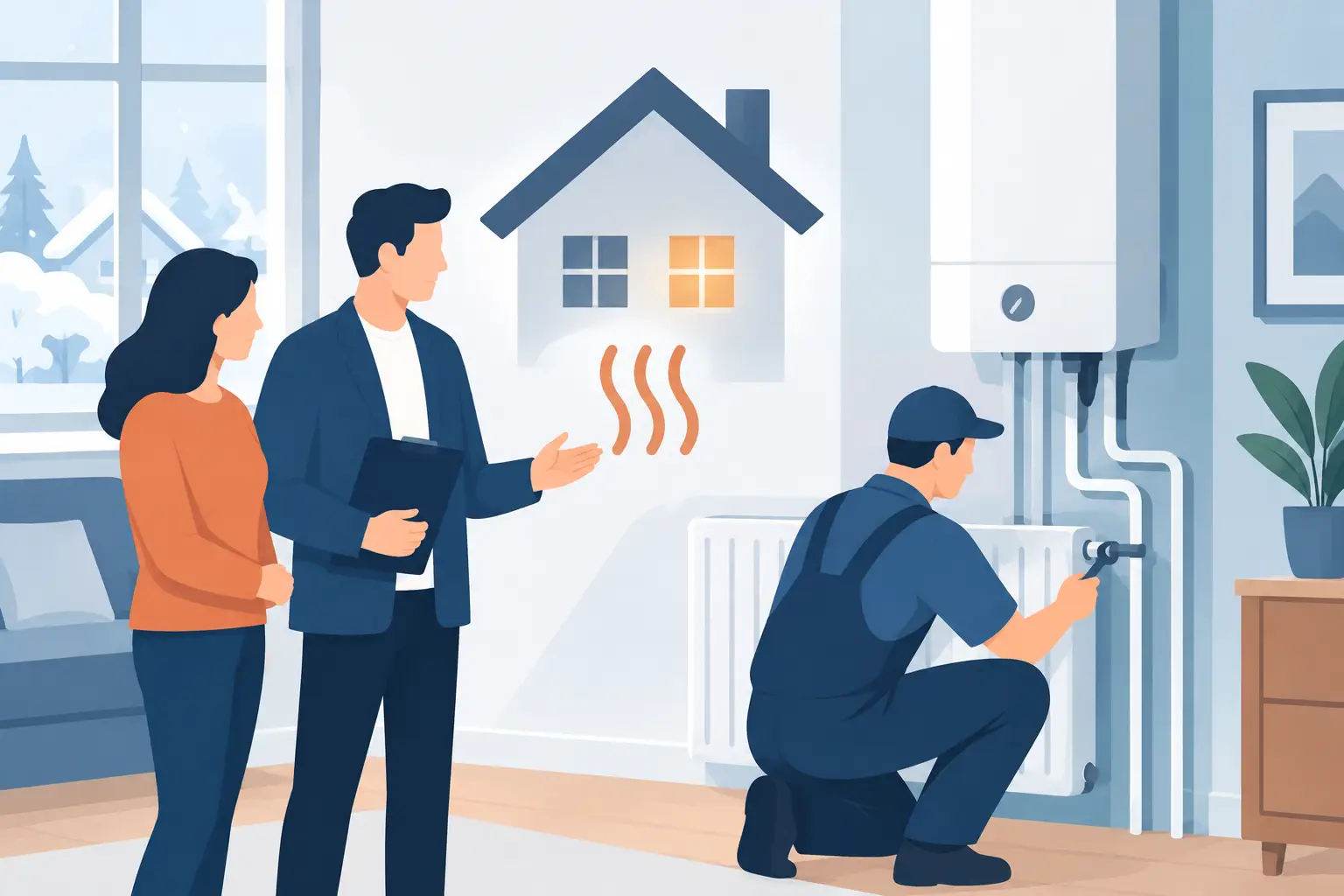
For most properties, the sensible route is to assess first, then improve in stages where needed. A professional survey should cover heat loss, existing radiator outputs, pipework condition, insulation, controls and hot-water requirements. From there, the proposed system can be designed around a realistic flow temperature.
In some homes, rebalancing the system, fitting better controls and reducing the boiler flow temperature will make an immediate difference. In others, several radiators need upgrading before a heat pump becomes viable. Renovations and extensions are an ideal time to install underfloor heating and plan zones properly, rather than trying to adapt the layout later.
At Chalmers Plumbing & Heating, that means looking beyond the appliance itself. Correct sizing, tidy installation, commissioning and a clear explanation of how to use the controls are what turn an efficient design into a comfortable home.
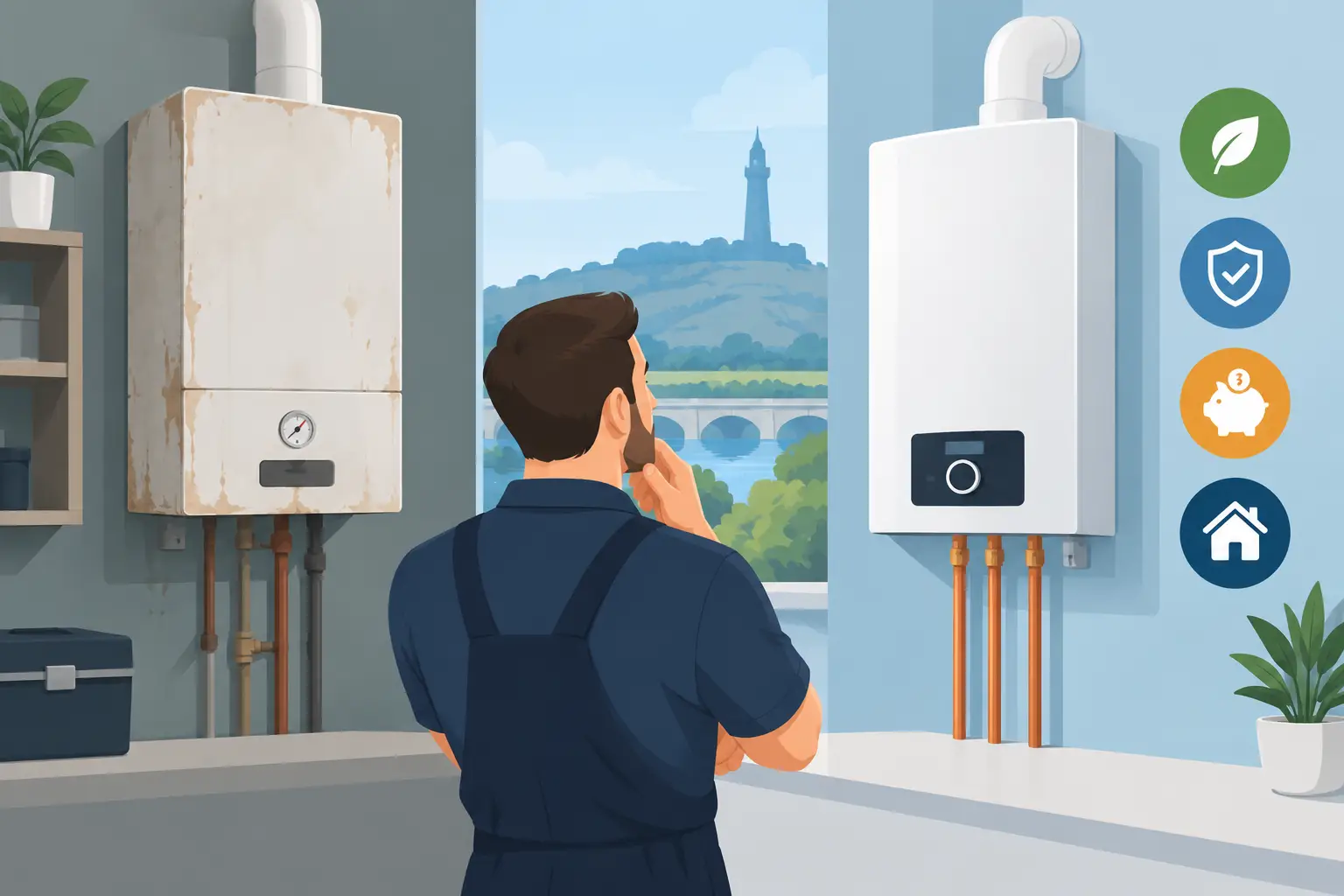
If you are considering a boiler upgrade, heat pump or renovation in Glasgow and the surrounding area, start by asking what temperature your system can realistically run at. That one question leads to better decisions about radiators, insulation, controls and long-term running costs.