
Hidden Leak Detection: Signs You Should Act On
By Chalmers Plumbing & Heating
A leak does not need to be pouring through a ceiling to cause costly damage. Hidden leak detection is about finding water escaping behind walls, beneath floors or within heating pipework before damp, mould, damaged finishes and higher bills become a much bigger job.
For homeowners, landlords and property managers, the difficult part is that the first sign is often indirect. A faint patch on a wall, a boiler that keeps losing pressure or an unexplained increase in water use can all point to a fault that cannot be seen. The right response is not to start lifting floors at random. It is to identify what system is leaking, narrow down the location and carry out a repair with as little disruption as practical.
The signs of a hidden water leak
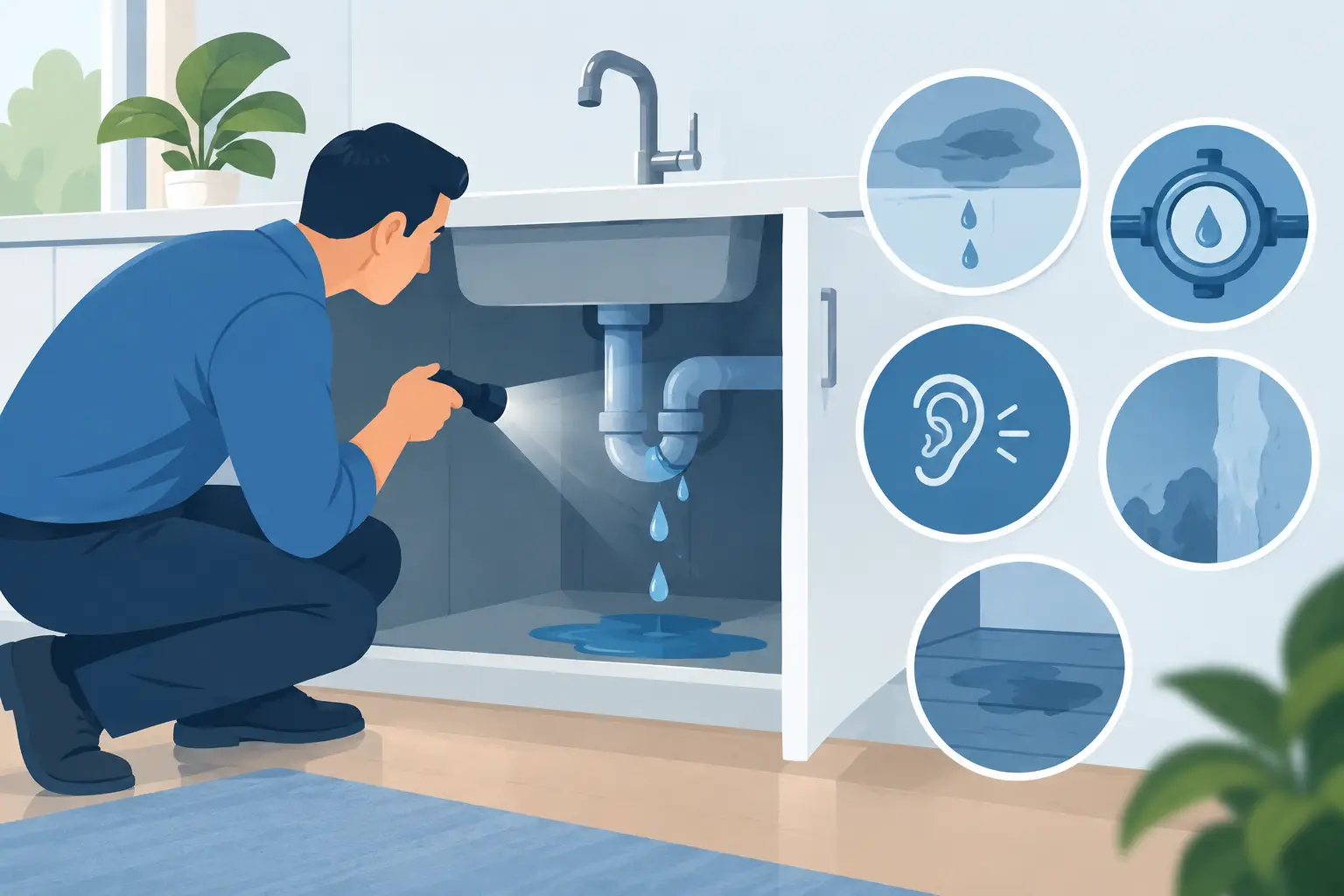
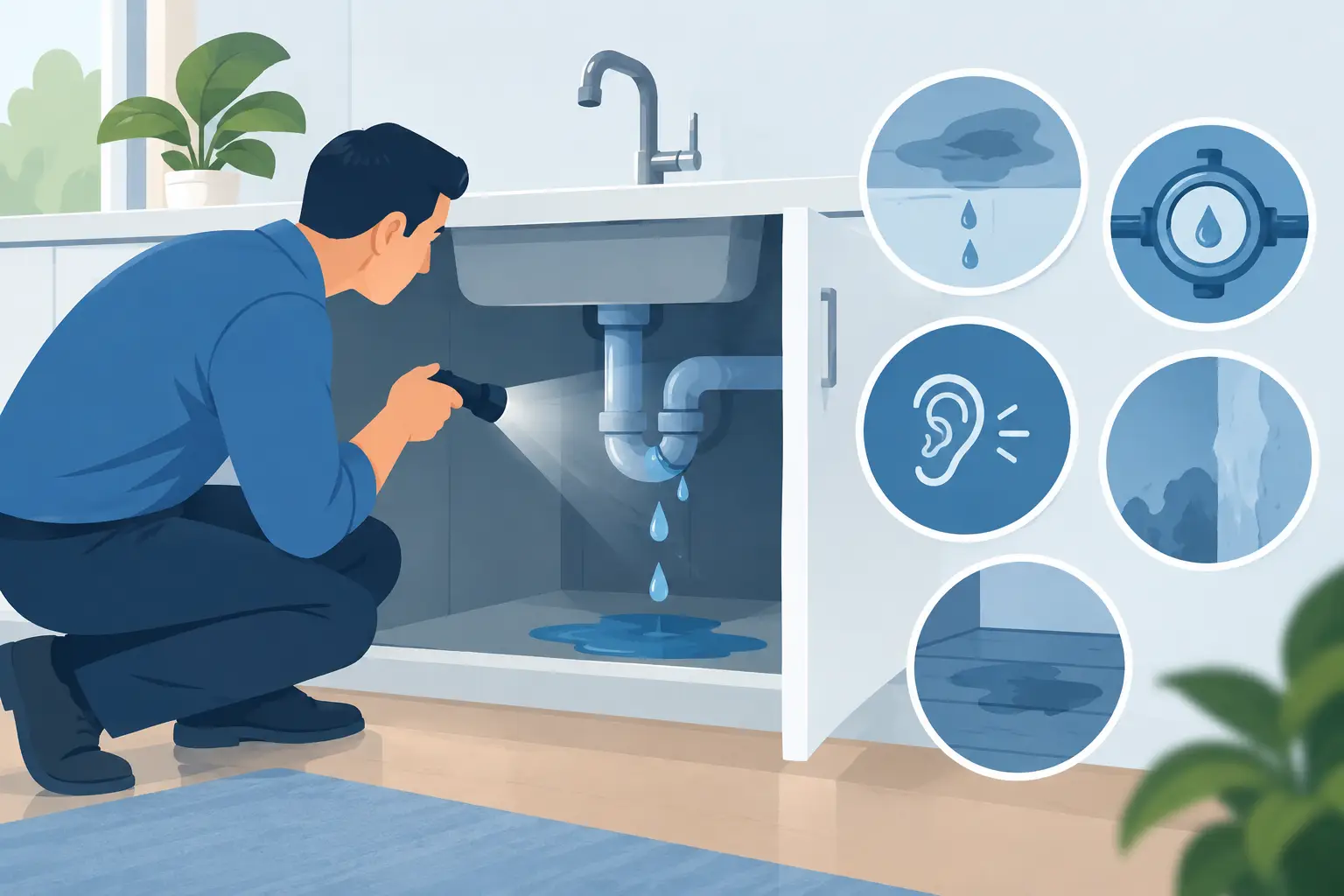
Some leaks are obvious: a dripping pipe under the sink or a failed radiator valve needs prompt attention, but its source is clear. Hidden leaks behave differently. Water can travel along pipes, joists and plasterboard before it appears, so the visible damp mark may be some distance from the actual failure.
Look out for a persistent musty smell, peeling paint, bubbling wallpaper, staining, warped skirting boards or flooring that feels unusually cold or soft underfoot. In bathrooms, loose tiles, cracked sealant and discoloured grout may allow water to track behind finished surfaces. A patch that returns after redecorating is particularly worth investigating rather than covering again.
Your water meter can also provide a useful clue. Turn off taps, appliances that use water and any obvious water outlets, then check whether the meter continues to move. This does not locate the leak, and it will not help where there is no meter, but it can show that water is being used when it should not be.
Not every damp patch is a plumbing leak. Condensation, a roof defect, failed external pointing and blocked gutters can produce similar symptoms. That is why diagnosis matters. Treating every damp issue as a burst pipe can lead to unnecessary work, while assuming it is condensation can allow a leak to worsen unnoticed.
Hidden leak detection in central heating systems
A sealed central heating system should generally maintain its pressure. Small changes between a cold and hot system can be normal, but repeatedly topping up the boiler is not a solution. It adds fresh water to the system, which can contribute to internal corrosion over time, and it masks the cause of the pressure loss.
A gradual pressure drop may come from a radiator valve, a safety discharge pipe, an expansion vessel issue, the boiler itself or a concealed heating pipe. Underfloor heating systems need the same careful approach. A fault beneath a screed floor does not automatically mean the entire floor must be removed, but it does need proper testing before any repair plan is agreed.
Other possible signs include cold areas over a floor, a warm patch when the heating is off, discolouration near pipe runs, or a heating system that needs frequent bleeding. These signs are useful evidence, but they are not proof on their own. A competent engineer will assess the system pressure, visible components and pipework before deciding whether further investigation is required.
Water leaks and heating leaks need different tests
Mains water pipework and heating pipework are separate systems, so the testing method must match the suspected fault. A mains water leak may affect meter readings or cause water damage even when the heating is off. A heating leak often shows through pressure loss and may only become apparent when the system is running.
Separating these possibilities prevents wasted time and avoids opening up parts of the property unnecessarily. It also means a repair can be completed properly, followed by refilling, venting, pressure testing and checking that the heating system is operating as it should.
How a professional investigation works
Effective leak investigation is methodical. The engineer begins with the information available: when the issue started, whether it changes after using hot water or heating, where the marks have appeared and whether the boiler pressure has fallen. This history can rule out several causes before any equipment is used.
Visual checks come first. These include accessible pipework, radiator valves, appliance connections, bathroom fittings, boiler components and external discharge pipes. A careful inspection often identifies faults that do not require specialist tracing equipment.
Where the source remains unclear, non-invasive tools can help build a clearer picture. Moisture meters can assess whether building materials are damp and whether the affected area is expanding. Thermal imaging may identify unusual temperature patterns associated with hot water or heating pipes. Acoustic equipment can sometimes detect the sound of water escaping under pressure, particularly on suitable pipework and floor constructions.
These methods are valuable, but they are not magic. Thick concrete, insulation, background noise, pipe depth and the amount of water escaping can all affect results. Good hidden leak detection combines equipment readings with system testing and the engineer's judgement. The aim is to make the smallest sensible opening, if one is needed, rather than making a confident guess from one scan.
What to do while you wait for help
If water is actively escaping, isolate the supply if it is safe to do so. Most homes have an internal stopcock, commonly under the kitchen sink, in a utility area or near where the water supply enters the property. If you are unsure which valve to turn, do not force it. Old valves can fail when disturbed.
Move possessions away from the affected area and use towels or a container to limit spreading water. Take clear photographs of the damage, especially if you are a landlord, managing an insurance claim or arranging repairs for a tenant. Avoid drilling, lifting flooring or cutting into walls until the source has been assessed. The apparent location of a stain is not always where the leak is.
If water is close to sockets, lighting or electrical equipment, do not touch wet electrical fittings. Isolate the electricity only if you can do so safely from a dry location, then arrange urgent professional help.
A suspected gas leak is different. If you smell gas, do not use electrical switches or naked flames. Turn off the gas supply at the emergency control valve if safe, ventilate the property and contact the gas emergency service immediately. Water-leak investigations should never delay action on a possible gas issue.
Why quick action protects more than décor
The direct cost of lost water is only one concern. Ongoing moisture can damage timber, plaster, insulation and floor finishes. In rented homes, it can affect tenants' comfort and create maintenance issues that become harder to resolve if access and evidence are delayed. In commercial premises, a small leak can disrupt trading, affect stock or damage neighbouring units.
There is also the risk of mould. Mould is not always caused by a plumbing fault, but a persistent leak creates the conditions it needs. Repairing the pipe without drying and restoring affected materials may leave part of the problem behind. The repair should therefore include a clear explanation of what was found, what has been fixed and what follow-up drying or reinstatement may be required.
For central heating leaks, a proper repair also protects the system itself. Once the fault has been resolved, the system should be repressurised correctly and checked for stable operation. If corrosion, sludge or repeated water loss has affected performance, further work such as powerflushing may be considered, but only where the condition of the system supports it.
Choosing the right response
The best approach depends on the property and the symptoms. A visible leak at a valve may need a straightforward repair. Repeated boiler pressure loss may need heating-system testing. A damp bathroom wall may require plumbing checks alongside an assessment of seals, shower trays and waterproofing. Older Glasgow properties can add further variables, from altered pipe routes to solid floors and previous renovation work.
Ask what evidence supports the proposed diagnosis, what access may be needed, and whether the repair includes testing afterwards. Clear answers matter. At Chalmers Plumbing & Heating, the focus is on tracing the cause carefully, explaining the options in plain language and leaving customers with a system that has been properly checked - not simply a surface patch over an unresolved fault.
If a mark is spreading, boiler pressure is repeatedly dropping or your meter suggests unexplained water use, acting early gives you more choices. A planned investigation is usually cleaner, calmer and less expensive than waiting for the hidden leak to announce itself.