How to use a boiler filling loop (and when to call an engineer)
A clear, safety-first guide to topping up boiler pressure and knowing when it is time to call a Gas Safe engineer.
By Chalmers Plumbing & Heating
If your combi or sealed system boiler pressure has dropped, you might see a warning light or find that your radiators are not heating properly. Topping up the pressure can be straightforward, but only if you know what your filling loop looks like and when to stop and call an engineer.
Understanding boiler pressure on a sealed system
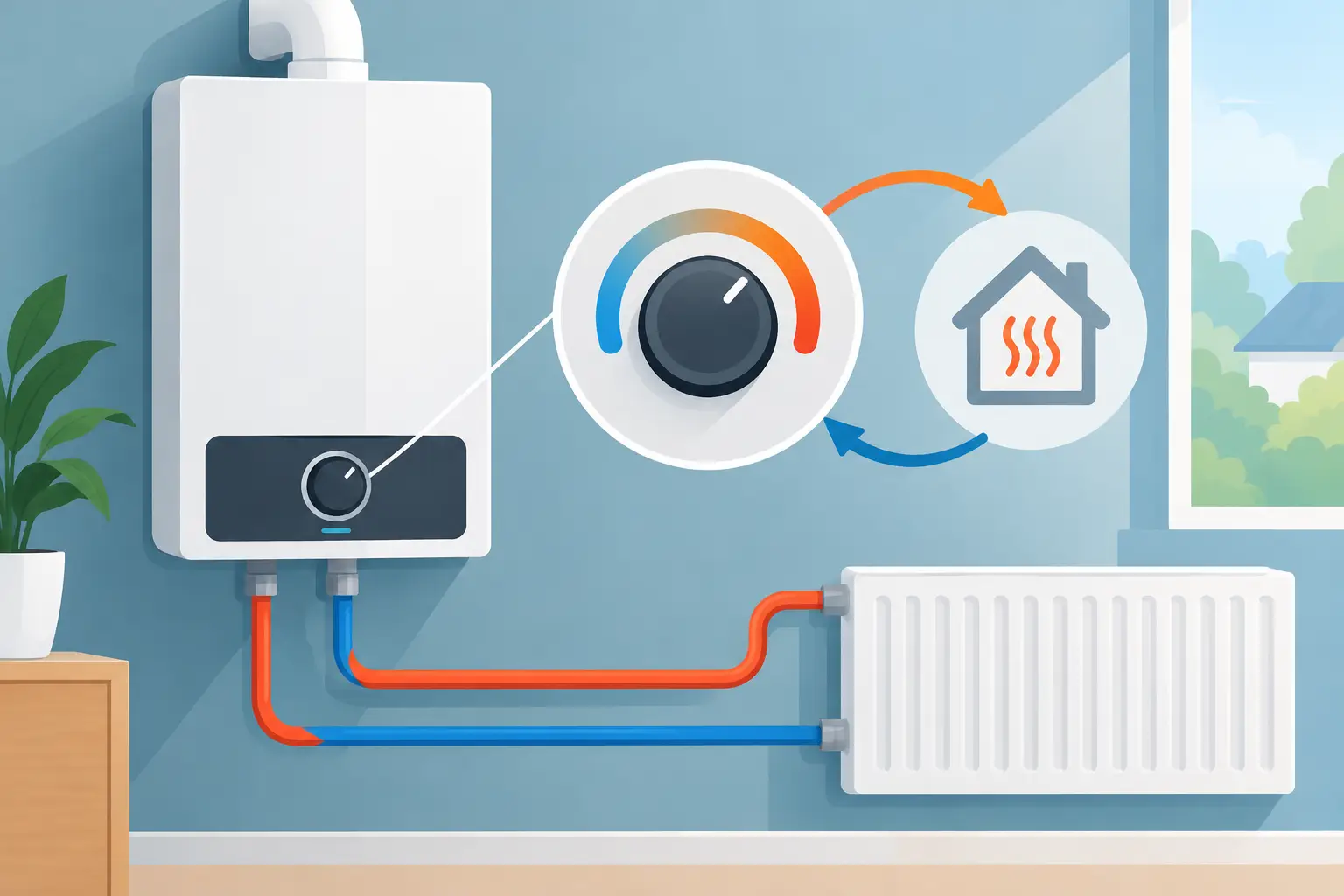
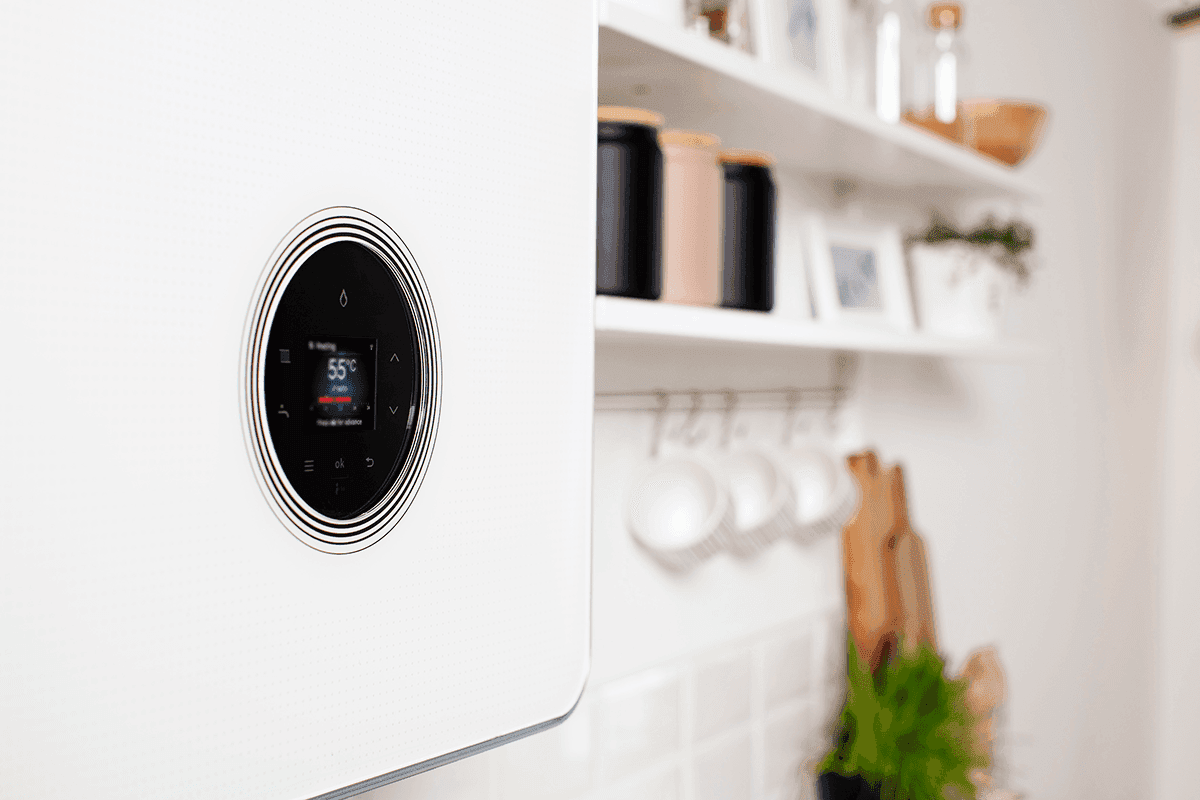
Most modern combi and system boilers run on a sealed circuit, which means the water is kept inside the pipework and radiators rather than open to the air. The pressure inside that circuit is measured on a gauge, usually found on the front of the boiler or nearby pipework.
When the system is cold, the typical pressure range is around 1.0 to 1.5 bar. As the heating runs and the water heats up, the pressure will usually rise slightly, often up to around 2.0 bar. Your boiler manual will state the exact recommended range for your model.
If the pressure drops much below 1.0 bar when cold, your boiler may lock out or struggle to heat the home. If it rises towards 3.0 bar or more, safety devices can activate and water can be discharged outside through a safety pipe.
How to identify your boiler filling loop
The filling loop connects your central heating system to the mains cold water so the pressure can be topped up. There are a few common styles you are likely to see, often located directly under the boiler or close to the cylinder on a system boiler.
The most common type is an external braided hose. This usually looks like a flexible silver hose with a small valve or tap at each end. In normal day-to-day use, at least one of these valves should be fully closed so water is not constantly entering the system.
Some boilers have an internal filling link or key arrangement. With these, you might see a plastic key, slot or a small built-in lever underneath the boiler casing instead of a removable hose. The front panel or underside often has a small diagram explaining which way is open and which is closed.
Quick checks before you think about topping up
Confirm you have a sealed or combi system with a pressure gauge, not an open-vented system with a loft tank.
Check the current pressure when the system is cold and note the reading in bar.
Look for any obvious leaks, drips or damp patches on pipework, radiators and around the boiler case.
Check outside for water dripping or running from the copper safety discharge pipe near the boiler location.
Safety-first approach to using a filling loop
It is important not to treat the filling loop like a simple tap. Adding too much water or leaving the valves open can lead to damage, leaks or the boiler constantly dumping hot water outside through the pressure relief valve.
If you choose to top up the pressure, valves should only ever be opened a small amount, and only until the gauge reaches the recommended cold pressure. Valves must then be fully shut again so the system goes back to being sealed.
Never attempt to force a stiff or seized valve. If it will not move with light, steady pressure, stop and contact a Gas Safe registered engineer. Forcing it can cause leaks or break the valve entirely.
Warning signs you should stop immediately
If at any point you feel unsure, or notice anything unusual, it is safer to close the valves, switch the boiler off and seek professional help. Some clear signs to stop include:
The pressure gauge rising rapidly towards or above 2.5 to 3.0 bar.
Any dripping or spraying of water from pipe joints, valves or the boiler.
Loud banging, knocking or water hammer noises in the pipework.
Continuous water discharge outside from the copper pressure relief pipe.
If you see any of these, do not try again. Repeated attempts can make the fault worse and may lead to internal damage in the boiler or central heating system.
Common reasons boiler pressure keeps dropping
A one-off small pressure drop after bleeding radiators is usually nothing to worry about, as you have released some air and water from the system. In that case, a careful, single top-up back to the recommended range can be reasonable.
Regular or sudden pressure loss, on the other hand, is a clear sign that something is wrong. Common causes include small leaks on radiator valves, pipe joints hidden under floors, or tiny weeps from the boiler components themselves.
Other technical issues can also be involved. A faulty expansion vessel can allow the pressure to swing up and down too far, while a compromised pressure relief valve can let water escape through the safety pipe outside, even without you noticing. Both of these need a qualified engineer to diagnose and repair.
If you find yourself topping up more than once every few months, or the pressure drops back down within days, do not keep adding water. Constant top-ups can introduce fresh oxygen, which speeds up corrosion and sludge build-up in the system.
When to call a Gas Safe engineer instead of topping up
You should contact a professional rather than attempting to use the filling loop if you are not confident identifying the valves, if the controls are stiff or damaged, or if your boiler is repeatedly losing pressure. Safety should always come before experimentation with valves and pipework.
It is also time to call in help if the boiler is showing fault codes related to low pressure, if the gauge fluctuates wildly between hot and cold, or if you can hear gurgling, banging or trickling sounds in the system. These can all point to underlying issues that go beyond a simple pressure top-up.
Information to have ready when you ring
Being prepared with a few details can help an engineer diagnose the problem more quickly and bring the right parts. Before you pick up the phone, make a note of:
Boiler make and model, usually found on the front panel or a data plate.
The current pressure reading when the system is cold.
How often you need to top up, for example weekly, monthly or more.
Any fault codes, warning lights or error messages on the display.
Any visible leaks or dripping, either indoors or from the outside safety pipe.
Next steps if your boiler pressure will not stay stable
Keeping your boiler pressure in the recommended range helps your heating run efficiently and safely. A careful one-off top-up can be fine, but repeated pressure loss almost always points to a deeper fault that needs proper investigation.
If your filling loop valves are seized, if you are unsure which controls to use, or if the pressure keeps dropping back down after topping up, it is time for expert help. Do not risk damage to your boiler or pipework by forcing valves or repeatedly adding water.
For friendly, professional diagnosis and boiler repair, contact Chalmers Plumbing & Heating on 01413740274. An experienced Gas Safe engineer can locate the cause of the pressure loss, check your safety devices and get your heating system running safely and reliably again.