How to Identify Frozen Pipes Before They Burst
By Chalmers Plumbing & Heating
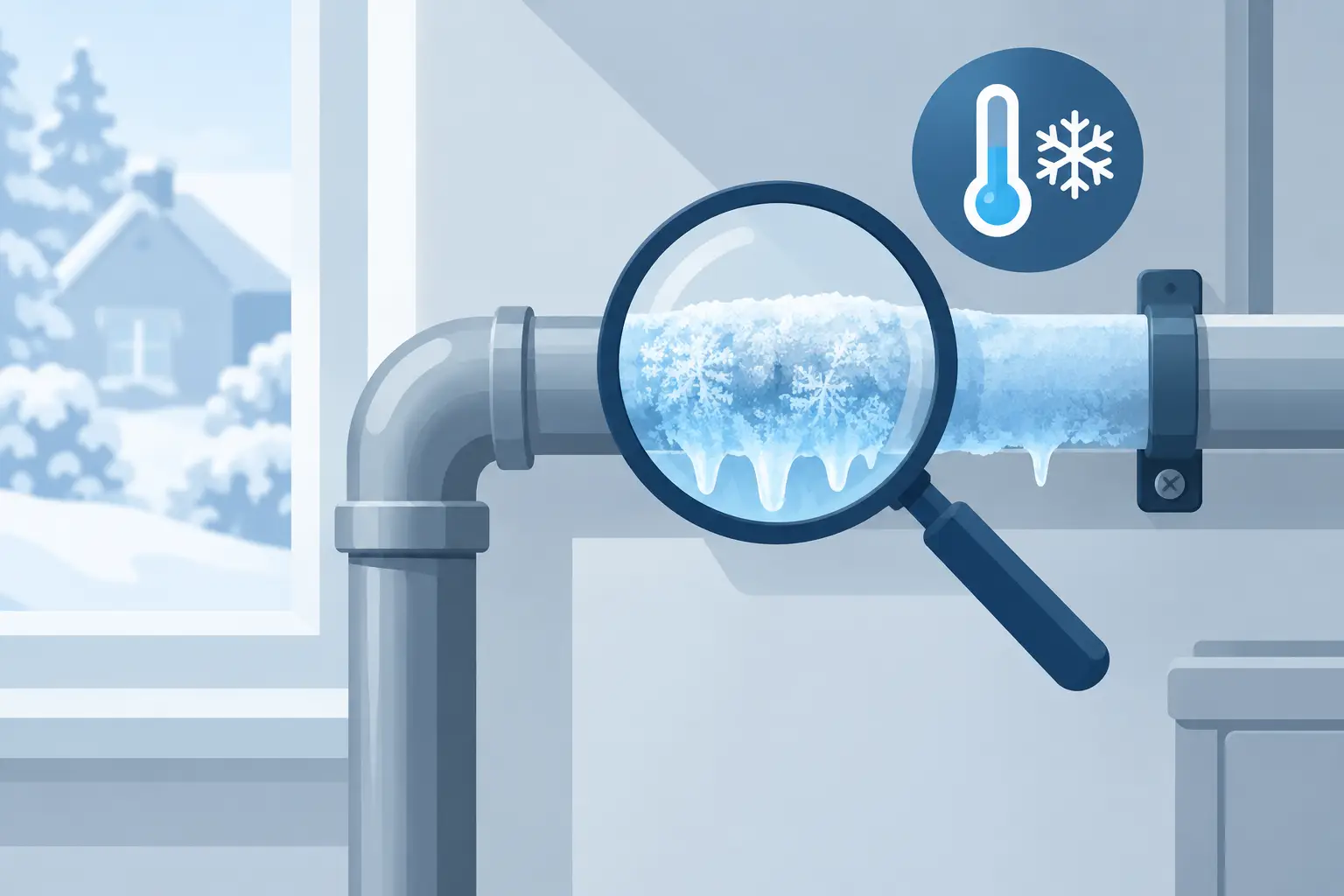
A burst pipe often happens after the weather begins to improve, not at the coldest point of the night. Water expands as it freezes, putting intense pressure on pipework until a weak point gives way. Knowing how to identify frozen pipes early gives you the best chance of preventing water damage, disruption and an urgent repair.
In Glasgow and across central Scotland, the highest-risk areas tend to be lofts, garages, underfloor voids, outside walls, cupboards on external walls and unheated commercial spaces. Even a well-maintained property can have one poorly insulated section of pipework that is exposed when temperatures fall.
How to identify frozen pipes in your property
The most obvious sign is a tap that produces little water or no water at all. If cold water has stopped running from one tap while other taps are working normally, the pipe supplying that fitting may be frozen. A reduced flow can also mean ice is beginning to form and has not fully blocked the pipe yet.
Check whether the problem affects both hot and cold taps. If the cold tap is running but the hot tap is not, the issue may be on the hot-water side of the system rather than the incoming mains supply. If neither runs, the frozen section may be closer to where the water enters the property, particularly if pipework passes through an unheated area.
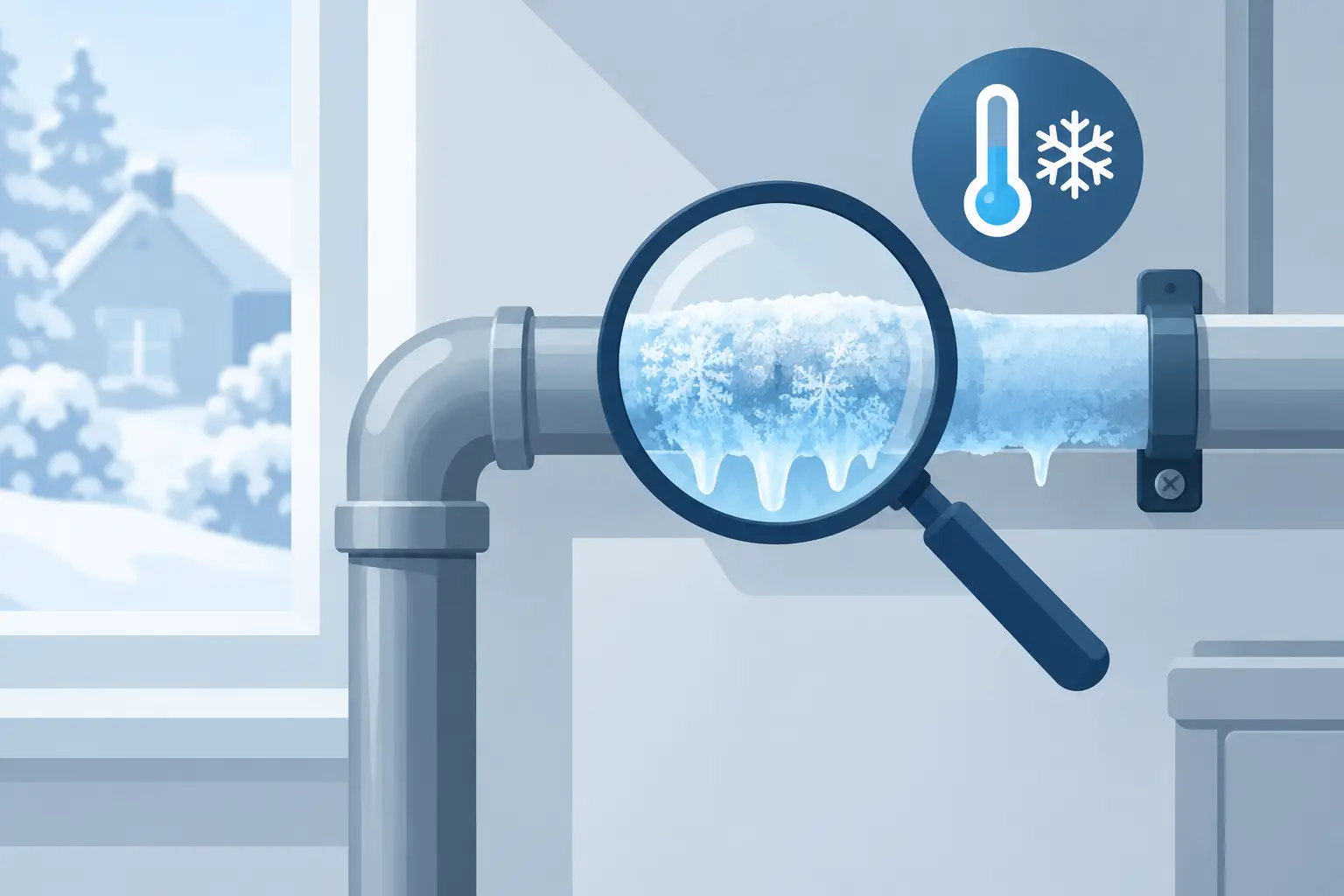
A frozen pipe may also show visible frost, condensation or a noticeable bulge along its length. Do not rely on appearance alone, though. Much of the pipework in a home or business is hidden behind cupboards, floors and walls, and the frozen section is not always easy to reach.
Listen for unusual sounds when opening a tap. Gurgling, whistling or a sudden lack of the usual water flow can point to restricted pipework. A strange smell from a drain is different: that may be caused by a frozen waste pipe or trap, rather than a frozen water supply pipe.
Check the areas most likely to freeze
Start with accessible pipework, but do not force your way into tight loft spaces or remove panels if you are unsure what is behind them. Look in the kitchen, bathroom, utility room, boiler cupboard, garage and loft. Pipes near an external wall, air brick, draughty hatch or open vent deserve particular attention.
Pay close attention to pipework beneath sinks and behind washing machines, especially where a kitchen extension, conservatory or utility room has limited heating. In commercial premises, check plant rooms, vacant units, staff kitchens, toilets, loading areas and any pipework serving a seldom-used part of the building.
Plastic pipes can freeze as readily as copper pipes. They may tolerate expansion better in some cases, but fittings and joints can still fail. Insulation helps, but it is not a guarantee if heating has been off for an extended period or cold air is reaching the pipes.
Signs that a frozen pipe may already be leaking
A pipe can split while frozen, then only begin to leak once the ice thaws. That is why checking for damage matters even after water begins flowing again. Look for damp patches, dripping from ceilings, water marks around skirting boards, swelling on plasterboard or a new puddle beneath a sink, boiler or cupboard.
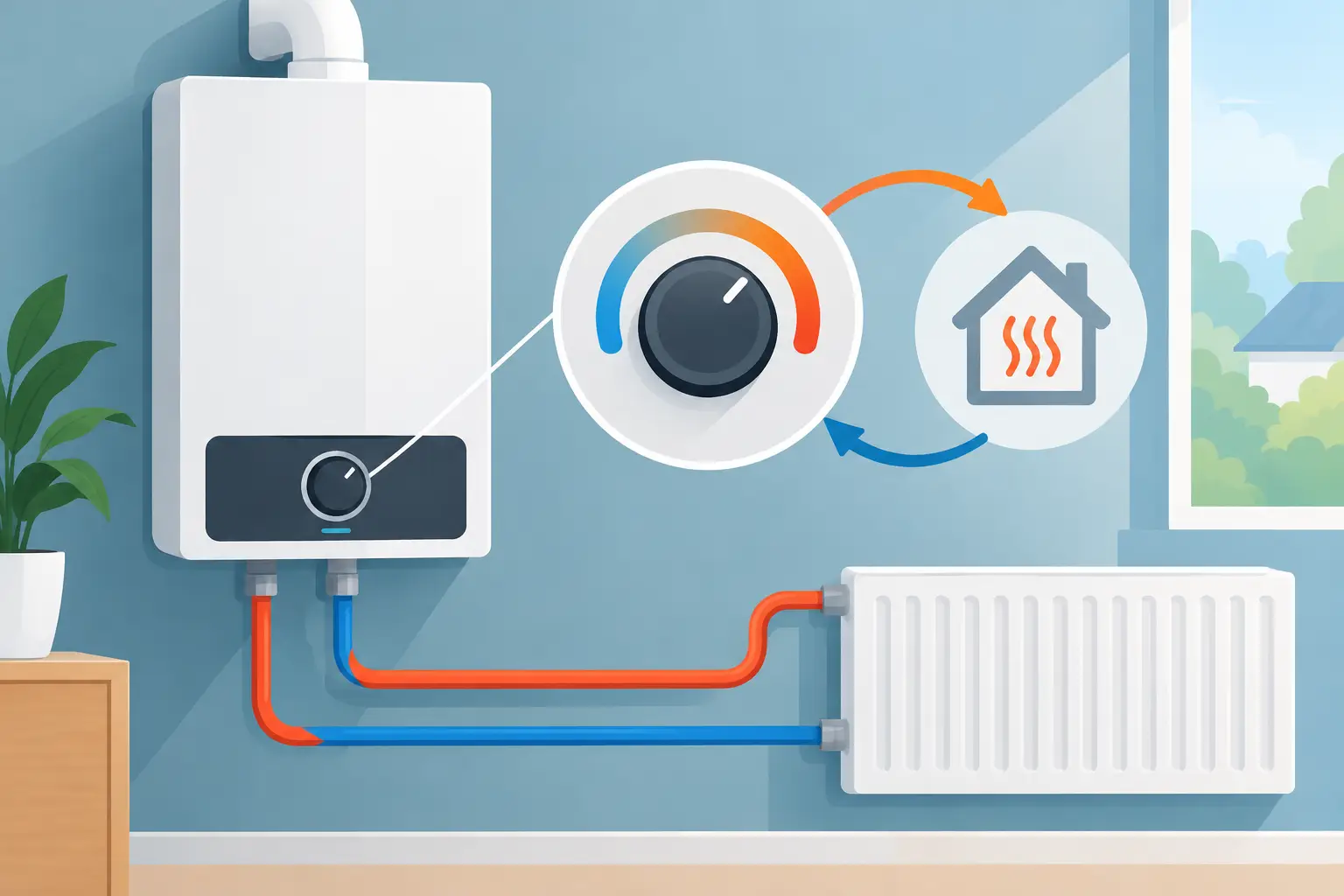
A sudden drop in boiler pressure can sometimes indicate a leak on a sealed heating system, although it is not proof of a frozen pipe. If the boiler is losing pressure, displaying a fault code or not heating radiators, switch off and seek advice from a qualified heating engineer rather than repeatedly repressurising it.
If water has reached lights, sockets, electrical equipment or a consumer unit, do not touch them. Keep clear of the affected area and arrange urgent help. Water and electrics require a cautious response.
What to do if you suspect a pipe is frozen
First, turn off the water supply at the internal stopcock if there is any sign of a leak, a burst pipe or a rapidly worsening problem. Every responsible adult in the property should know where the stopcock is and whether it turns freely. In flats and commercial buildings, the isolation point may be within the unit or controlled by the building management team.
If there is no leak and you can safely access the suspected section, open the affected tap slightly. This can give melting ice somewhere to escape and lets you see when water begins to flow again. Protect nearby surfaces with towels in case a small leak becomes visible during thawing.
Warm the pipe gradually. A warm cloth, hot-water bottle wrapped in a towel, or a hairdryer on a low setting can be suitable for accessible pipework. Begin at the tap end and work back towards the frozen section. The aim is steady, gentle warming, not a rapid temperature change.
Never use a blowtorch, naked flame, heat gun at high temperature or any direct flame on pipework. These methods can damage pipes and fittings, create a fire risk, and make a small plumbing problem much more serious. Do not leave any electrical appliance unattended around water.
If you cannot locate the frozen section, water has stopped throughout the property, or thawing does not restore flow, arrange a professional inspection. Hidden pipework, shared supplies and heating-system pipework need a proper diagnosis rather than guesswork.
Is it a frozen pipe or a boiler fault?
During cold weather, no heating or hot water can be caused by several different faults. A frozen condensate pipe is a common boiler-related issue. This is the plastic pipe that carries acidic condensate away from a condensing boiler, often to an outside drain. When it freezes, the boiler may lock out and show a fault code, while cold water from the taps remains available.
That is different from a frozen water pipe. With a frozen supply pipe, you are more likely to notice poor or absent water flow at taps. With a frozen condensate pipe, the main symptom is usually a boiler that will not fire or has stopped operating.
Boiler fault codes vary by manufacturer, so check the boiler display and handbook if it is safe to do so. Do not remove the boiler casing or attempt work on gas appliances. A Gas Safe-registered engineer can establish whether the issue is condensate drainage, frozen pipework, low system pressure or another fault.
When to call for urgent plumbing help
Call promptly if you see water escaping from pipework, ceilings or walls, or if you have shut off the water and cannot isolate the leak. The same applies where a burst may be concealed, such as a damp ceiling below a bathroom or a steadily spreading stain on a wall.
Landlords and property managers should act quickly where a tenant reports loss of water, visible leaks or no heating in freezing conditions. Delays can increase repair costs and leave a property vulnerable to further damage. For businesses, isolating the affected zone and protecting stock, equipment and electrical systems should be part of the immediate response.
An experienced engineer will locate the affected section, assess for splits and failed joints, make the repair, then check the system properly once the water supply is restored. Chalmers Plumbing & Heating can also advise on insulation, pipe routing and heating controls to reduce the chance of repeat problems.
Reducing the risk during the next cold spell
Keep the heating on at a low, consistent temperature when a property is occupied. If you are away, avoid switching it off completely during freezing weather. The right setting depends on the property, its insulation and the heating system, but maintaining background warmth is usually safer than allowing the building to become very cold.
Open cupboard doors beneath sinks on external walls so warmer room air can circulate around pipes. Repair draughts around service entries, loft hatches and pipe penetrations, and ensure exposed pipes are insulated with correctly fitted lagging. Pay particular attention to bends, valves and joints, where gaps in insulation are common.
For empty properties, holiday homes and vacant commercial units, a planned winter check is worthwhile. Confirm the heating is operating, the stopcock can be reached, and someone knows who to contact if a fault is reported. A small amount of preparation is far easier than dealing with a burst pipe after a thaw.
If a tap has slowed, a boiler has stopped, or a cold area of the building has left you concerned, treat it as an early warning rather than waiting to see what happens overnight. A careful check and timely advice can keep a cold-weather problem from becoming major water damage.