Boiler Not Heating Radiators? What to Check First
By Chalmers Plumbing & Heating
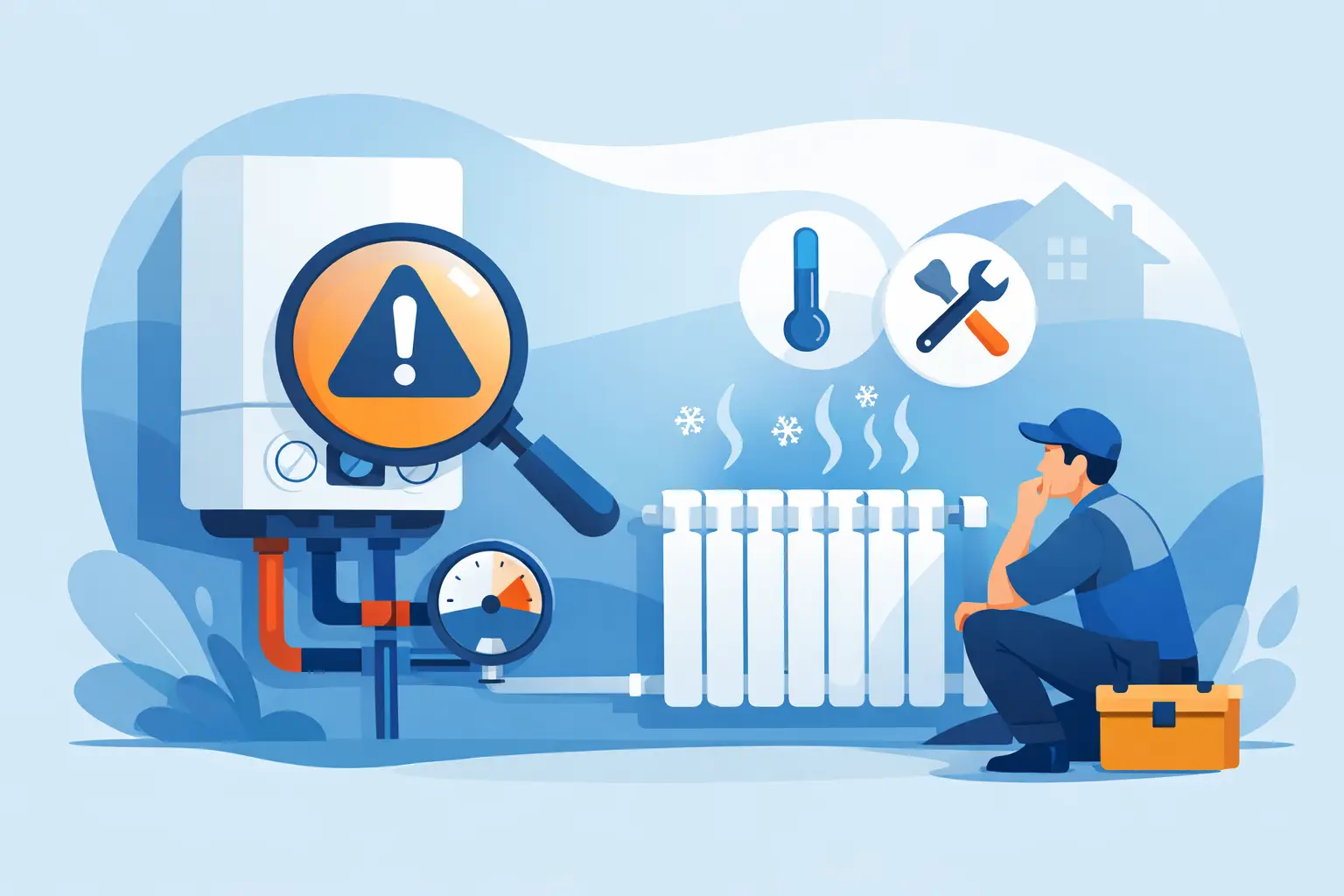
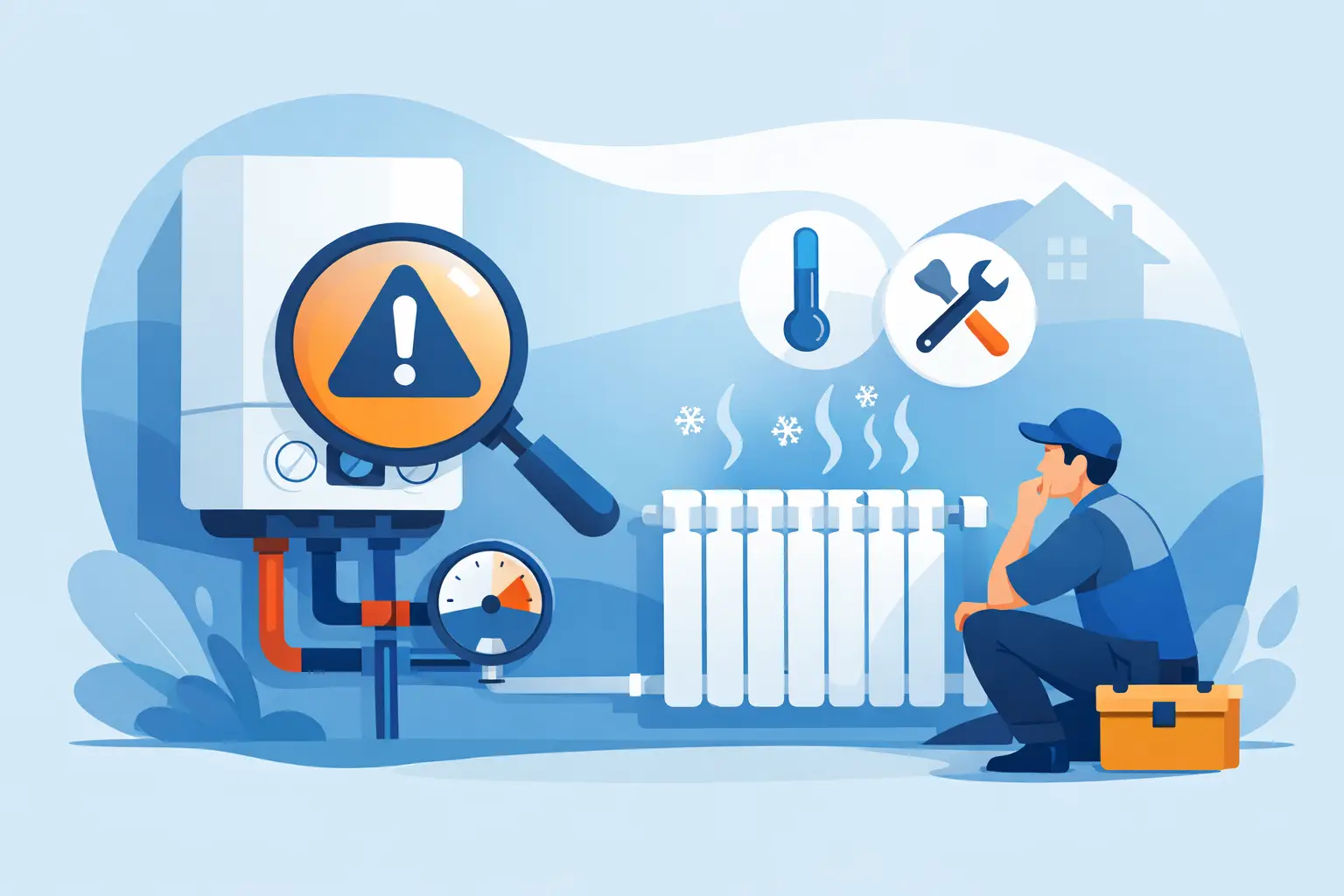
A cold house with hot water still coming from the taps is a frustratingly common call-out. If your boiler not heating radiators issue has appeared suddenly, the fault may be as simple as a heating control setting or a stuck radiator valve. It can also point to a circulation, pressure or boiler component problem that needs professional attention.
The useful first step is to work out the pattern. Are all radiators cold, or only one or two? Is the boiler firing? Do you still have hot water? Those details narrow down the likely cause and help avoid unnecessary disruption.
Boiler not heating radiators: safe checks to make
Start with the controls rather than the boiler itself. Set the room thermostat a few degrees above the current room temperature and make sure the heating programme is set to ‘on’ rather than timed off. If you have smart controls, check the app schedule, batteries in any wireless thermostat, and whether the system has been placed in holiday or hot-water-only mode.
Give the system a few minutes after changing a setting. A boiler may fire briefly while checking demand, and some systems have a short delay before the pump starts circulating water to the radiators.
Check the boiler display
Look at the boiler’s display for an error or fault code. Make a note of the exact code rather than repeatedly resetting the appliance. One reset may be appropriate if the manufacturer’s instructions allow it, but recurring lockouts are a sign that something needs investigated.
If the display is blank, first check the fused spur beside the boiler is switched on and that the property has not had a tripped circuit. Do not remove the boiler casing or attempt to access internal parts. A boiler’s electrical and gas components must only be worked on by a Gas Safe registered engineer.
Check system pressure
For most sealed central-heating systems, the pressure gauge should normally sit around 1 to 1.5 bar when the system is cold. If it is close to zero, the boiler may refuse to run the heating circuit or may lock out.
Some boilers can be repressurised using a filling loop or built-in filling key, but the right method differs by model. Follow the appliance instructions carefully and do not overfill it. Pressure rising too high, repeated pressure loss, water beneath the boiler, or a need to top up regularly can indicate a leak, failed expansion vessel or pressure-relief issue. These are not faults to ignore.
Check radiator valves
If one radiator is cold while neighbouring radiators are warm, check that both valves are open. The thermostatic radiator valve is usually numbered, while the valve at the other end may have a plain cap. Turn the numbered valve up and allow time for the radiator to respond.
A thermostatic valve can stick after being left closed over summer. It is possible to free the pin on some valves, but forcing it can cause damage or a leak. If the valve will not respond easily, arrange for an engineer to inspect it rather than applying excessive force.
What the heating pattern can tell you
The difference between no heat anywhere and poor heat in selected rooms matters. It helps distinguish a boiler fault from a problem in the wider heating system.
You have hot water but no radiators
When hot water is working but every radiator is cold, the boiler may be capable of producing heat but not sending it to the heating circuit. Common causes include incorrect programmer settings, a faulty thermostat, a failed motorised valve, circulation pump trouble or a control-board fault.
On a combi boiler, it can also be an issue with the internal diverter valve, which directs heat either to hot water or to radiators. This needs diagnosis by an engineer. Replacing parts based on guesswork is rarely economical, particularly as several faults can produce similar symptoms.
Some radiators heat and others stay cold
A radiator that is cold at the top but warm at the bottom often has trapped air. Bleeding it may restore heat, provided the system is safe to do so and you are comfortable following the correct process. Keep an eye on boiler pressure afterwards, as it may need carefully restoring.
A radiator cold at the bottom but warm at the top more often suggests sludge or debris restricting water flow. Older systems can collect magnetite, a dark iron oxide sludge, especially where protection and regular maintenance have been missed. Chemical cleaning or a powerflush may help, but only after the system has been assessed. A powerflush is not a cure for every heating fault, and a responsible engineer will check the boiler, pump, pipework and radiator condition before recommending one.
If radiators near the boiler are hot while rooms further away are cold, the system may need balancing. This involves adjusting lockshield valves so that heat is shared properly around the property. It is particularly worthwhile after installing new radiators, extending pipework or changing a pump.
The radiators warm up, then go cold
Intermittent heat can be caused by a thermostat losing connection, a pump overheating, low system pressure or a boiler that is cycling on a fault. Listen for unusual banging, gurgling or whistling, but do not treat noise alone as a diagnosis. An engineer will check flow and return temperatures, pump operation, controls and fault history before deciding what repair is required.
When to stop checking and call an engineer
Turn the boiler off and seek urgent professional help if you smell gas, suspect carbon monoxide, see a yellow or lazy boiler flame, or feel unwell with symptoms such as headaches, nausea or dizziness. Open windows where safe, leave the property if necessary, and contact the gas emergency service from outside. Do not use electrical switches, naked flames or attempt a repair yourself.
For non-emergency faults, arrange a visit when the boiler repeatedly loses pressure, displays an ongoing fault code, leaks, makes new loud noises, or will not provide heating after the basic checks. Landlords should act promptly too: tenants need a safe, functioning heating and hot-water system, and a recurring issue should be documented and repaired properly rather than temporarily reset.
A proper diagnosis should include more than getting the boiler to fire once. The engineer should establish whether there is heating demand, confirm the condition of the system pressure, test controls, assess circulation and check for signs of leaks or contamination. If a part is replaced, it should be correctly fitted, tested and the boiler returned to normal operation.
Preventing another cold-radiator call-out
Annual boiler servicing gives an engineer the chance to check combustion, safety devices and the appliance’s overall condition, but the heating system needs attention too. Keeping inhibitor at the correct level, dealing with small leaks early, exercising radiator valves after summer and reviewing controls before colder weather can prevent many avoidable problems.
If your home has rooms that are consistently too warm or too cold, the answer may not be a bigger boiler. Correct radiator sizing, system balancing, zoning and smart controls can improve comfort without wasting heat. For older properties around Glasgow, pipework condition and insulation levels also affect how quickly rooms warm up and how long they stay warm.
When your heating lets you down, clear information is as valuable as a quick repair. Note what is working, what is not, any fault code and whether the pressure has changed. That gives a Gas Safe engineer a stronger starting point and helps Chalmers Plumbing & Heating get to the right repair with less guesswork.