Rental Property Heating Responsibilities Explained
By Chalmers Plumbing & Heating
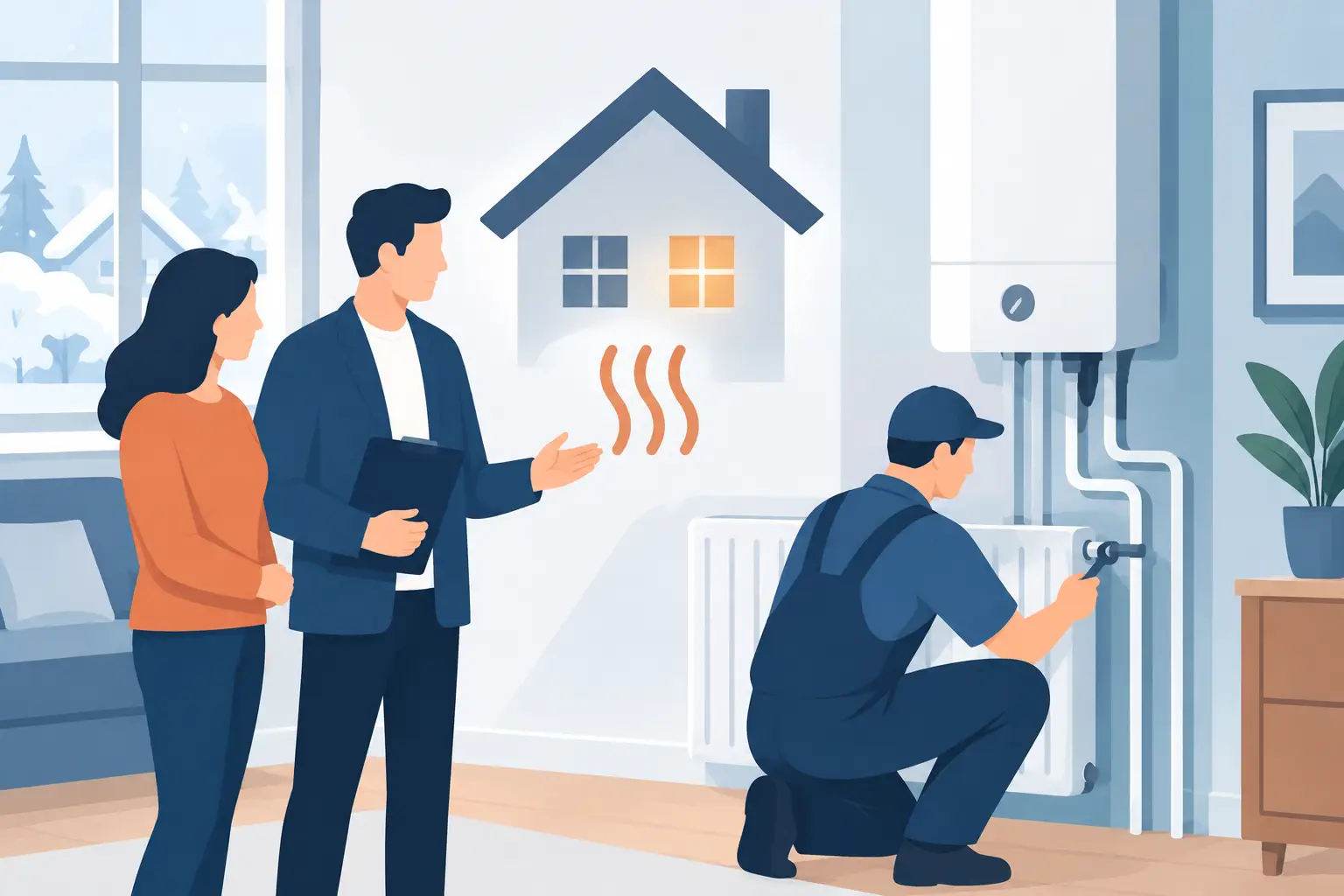
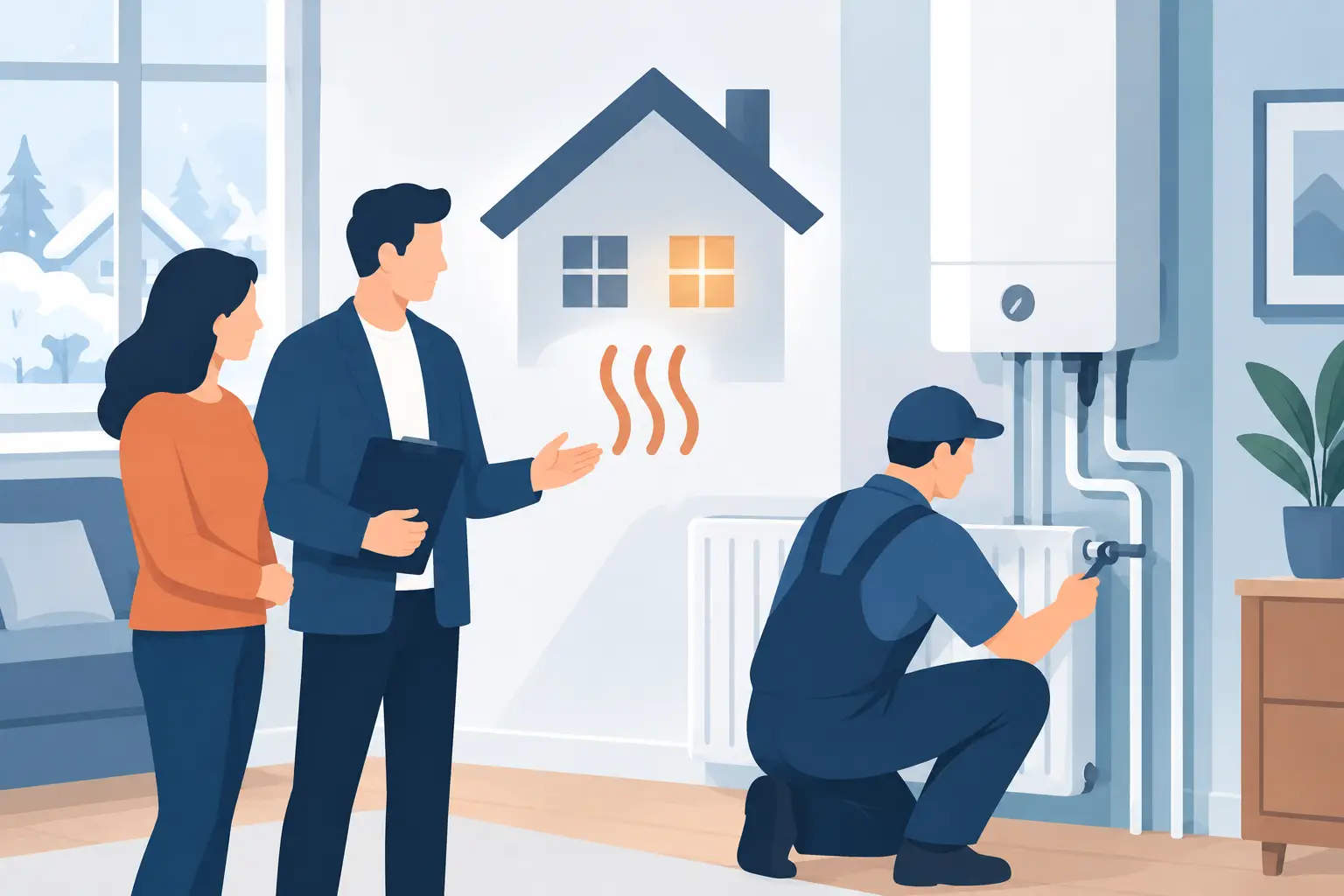
A boiler failure is rarely a minor inconvenience in a rented home. If there is no heating or hot water during a Glasgow cold spell, the priority is making the property safe, identifying the fault and getting the right repair underway without delay. Clear rental property heating responsibilities help landlords, tenants and managing agents act quickly rather than arguing over who should make the first call.
In Scotland, the exact circumstances matter: the tenancy type, the condition of the appliance, how the fault arose and whether the issue has been reported all affect what happens next. However, there are practical duties that should be understood before a problem occurs.
Rental property heating responsibilities for landlords
A landlord must keep the installations that provide space heating and hot water in a reasonable state of repair and proper working order. In most rented homes, that means the boiler, radiators, heating controls, hot-water cylinder where fitted, pipework and associated gas supply equipment.
For Scottish private lets, these obligations sit within the Repairing Standard. A tenancy agreement cannot simply pass a landlord's legal repair duty for essential fixed heating equipment to the tenant. If an ageing boiler repeatedly loses pressure, radiators do not heat properly or a programmer has failed, it is usually for the landlord to arrange investigation and repair.
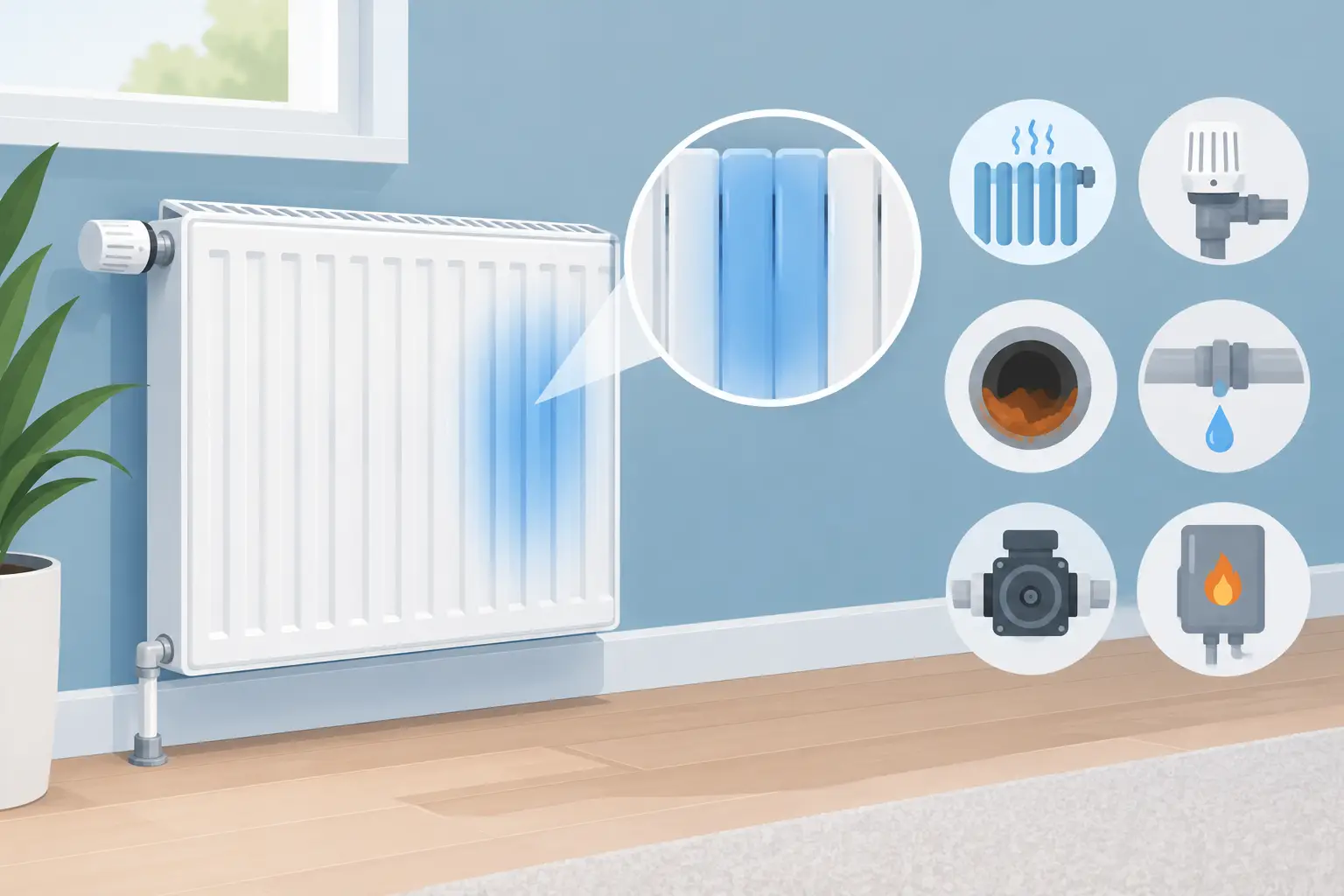
The duty is not limited to responding once the heating stops altogether. Good property management means dealing with warning signs before they develop into an emergency. Unusual boiler noises, regular pressure loss, cold radiators, unreliable hot water and warning codes all warrant attention. A prompt diagnosis may reveal a straightforward issue such as a faulty valve or failing pump, rather than a major breakdown later in winter.
Gas safety is a separate annual duty
Where a property has gas appliances, landlords must arrange a gas safety check at least every 12 months using a Gas Safe registered engineer. This applies to the gas boiler and any other landlord-provided gas appliance, such as a gas fire or cooker where relevant.
The engineer checks that appliances are operating safely, that combustion products are being dealt with correctly and that flues and ventilation are satisfactory. Landlords must provide tenants with the current gas safety record within the required timeframe and retain their records. A boiler service is strongly recommended and can be combined with the visit, but it is not automatically the same as a statutory gas safety check. Ask what work is being carried out and ensure the paperwork reflects it.
Annual servicing is also sensible from a reliability and warranty perspective. It gives an engineer the opportunity to inspect components, clean where required, check system operation and spot defects that could otherwise result in a call-out. For landlords with several properties, keeping service dates, safety records and repair history in one organised file makes renewals and tenancy changes much easier to manage.
Reasonable repair times depend on the situation
There is no helpful one-size-fits-all number of hours for every heating repair. A small issue with a single radiator is different from a complete loss of heating and hot water in January. The presence of young children, elderly occupants or tenants with health conditions can also increase the urgency.
Landlords should respond promptly, communicate clearly and arrange a competent engineer as soon as reasonably possible. If parts are needed, tenants should be told what has been found, what is being ordered and when the repair is expected. Where an essential repair cannot be completed quickly, temporary measures such as safe electric heaters may be appropriate. These should be used carefully and in line with the manufacturer's instructions, particularly in properties with older electrical installations.
What tenants are responsible for
Tenants are not expected to repair a boiler, diagnose gas faults or pay for normal wear and tear. Their main responsibility is to use the heating system reasonably, take ordinary care of the property and report faults as soon as they become apparent.
Reporting matters. A landlord cannot arrange a repair for a problem they do not know about. Tenants should notify the landlord or agent in writing where possible, explain whether heating and hot water are both affected, include any boiler display code and say if there is a leak, burning smell or other safety concern. A photograph of a pressure gauge or error display can help an engineer prepare for the visit.
Tenants should also allow reasonable access for inspections, annual gas safety checks and repairs after suitable notice has been given. In a genuine emergency, access may need to be arranged more urgently to prevent damage or protect safety.
Basic user tasks may be set out in the appliance instructions, such as changing batteries in a wireless thermostat, setting a timer or resetting the boiler once after a temporary fault. Tenants should not remove a boiler case, interfere with sealed components, alter pipework or attempt to fix a gas appliance themselves. If there is any smell of gas, switch off the gas supply only if it is safe to do so, avoid electrical switches and naked flames, leave the property, and contact the gas emergency service immediately.
Who pays when heating goes wrong?
Most repairs to landlord-provided heating equipment are the landlord's cost. That includes breakdowns caused by age, component failure, poor installation or ordinary use. Replacing a boiler that has reached the end of its workable life is normally a landlord decision and expense too.
There are exceptions. A tenant may be liable where there is clear evidence that damage was caused through misuse, unauthorised alterations or failure to take reasonable care. For example, deliberately damaging a thermostat, repeatedly switching off a system in freezing weather and causing avoidable pipe damage, or blocking ventilation required for an appliance may change the position.
Condensation and mould can be more complicated. Some cases stem from inadequate heating, faulty controls, insulation defects or ventilation problems that need landlord action. Others are worsened by how the property is occupied. The right response is not to make assumptions. Inspect the property, establish whether the heating is working and correctly sized, check for leaks or building defects, and give practical advice on heating and ventilation where needed.
A practical process when a boiler stops working
A clear reporting process avoids wasted time. Landlords and agents should give tenants one contact route for routine faults and clear instructions for out-of-hours emergencies. The first report should establish whether there is a gas smell, water leak, no heating, no hot water, an error code, or only one part of the system affected.
Before arranging a visit, it can be reasonable to ask a tenant to check the electrical supply, thermostat setting and boiler pressure if they are comfortable doing so. This is not about shifting responsibility. It may resolve a simple control issue and helps ensure an engineer attends with useful information.
A competent engineer should then diagnose the cause rather than simply reset the boiler and leave. Correct work can include checking combustion where appropriate, testing safety devices, identifying leaks, assessing system water quality and confirming that the boiler and controls operate properly after repair. If replacement is the better option, the recommendation should account for the property's heat demand, hot-water use, flue position and the existing heating system, not just the lowest upfront price.
For landlords, documented work matters. Keep the invoice, gas safety record where applicable, service documentation, commissioning paperwork for new equipment and any tenant communications about the repair. This provides a useful record for future engineers, supports warranty claims and demonstrates that a reported issue has been handled responsibly.
Preventing avoidable winter call-outs
The most effective approach is planned maintenance before cold weather arrives. Arrange the annual gas safety check and service in good time, test heating controls, bleed radiators where necessary and investigate any pressure loss or uneven heating. A powerflush may be worth considering where there is evidence of sludge, poor circulation or persistently cold radiators, but it should follow an assessment rather than be treated as an automatic fix for every system.
Vacant properties need attention too. Landlords should agree how heating will be managed between tenancies, particularly during freezing conditions. Leaving a suitable frost-protection setting active can reduce the risk of burst pipes, while an empty property should still be checked regularly for leaks or faults.
Chalmers Plumbing & Heating supports landlords and property managers with gas safety checks, boiler servicing, repairs and correctly commissioned replacements across Glasgow and surrounding areas. The useful starting point is simple: keep records current, report faults early and use qualified engineers who explain what has failed and what needs to happen next.
A warm, safe rented home depends less on blame and more on timely action. When each party understands their role, a heating problem can be dealt with properly before it becomes a difficult tenancy issue.