Boiler Pressure Relief Valve Leaking? Causes and What to Do
A dripping discharge pipe can point to excess pressure, a faulty component or a problem with your heating system that needs professional attention.
By Chalmers Plumbing & Heating
A leaking boiler pressure relief valve, often noticed as water dripping from the copper discharge pipe outside, should not be ignored. The valve is a safety device designed to release water if pressure inside the heating system becomes too high, so continued discharge usually indicates an underlying fault rather than a simple nuisance.
What the pressure relief valve does
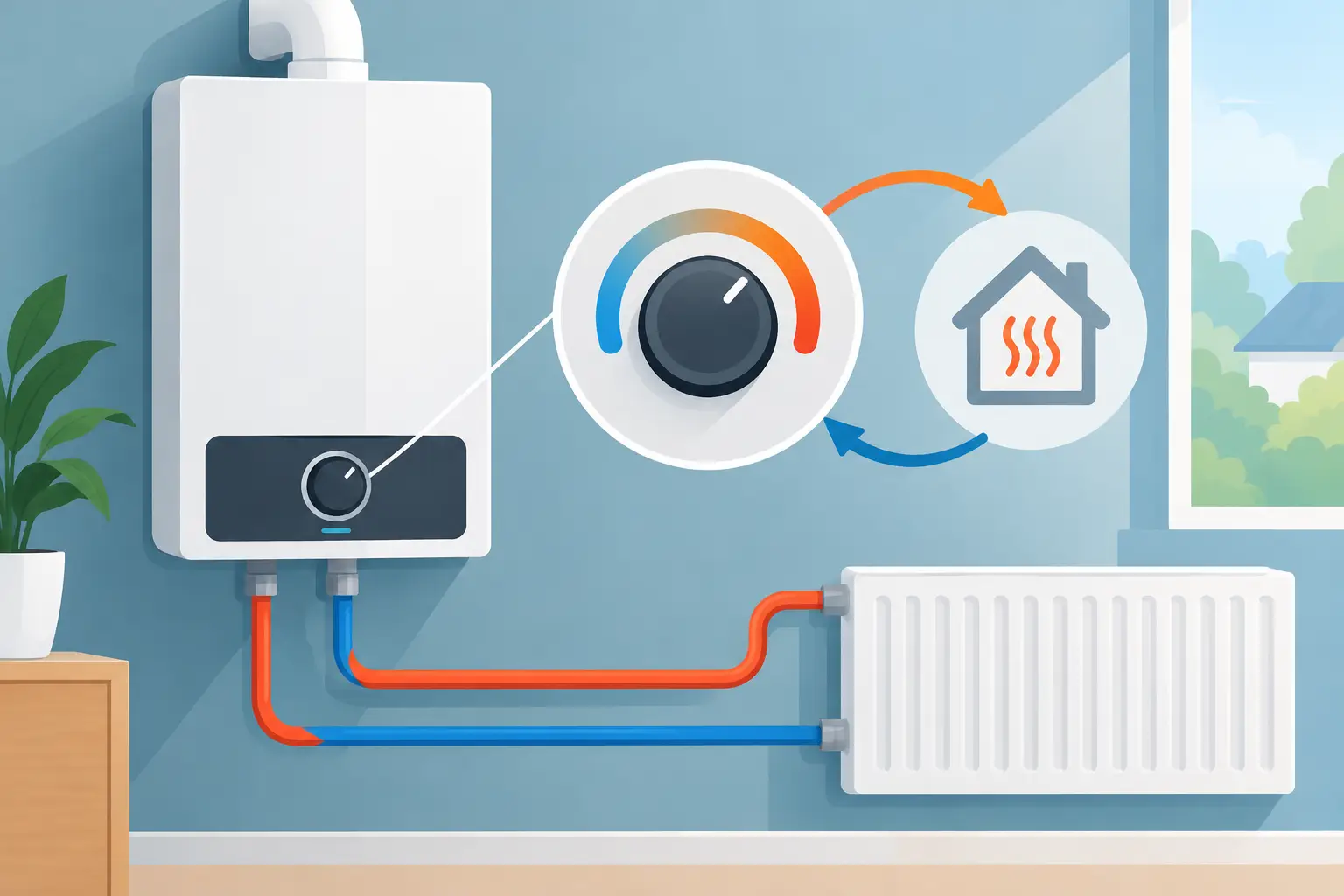
A pressure relief valve, or PRV, protects your sealed central heating system from excessive pressure. Most domestic boilers operate at around 1 to 1.5 bar when cold, although the correct range can vary by boiler model. If pressure rises too far, commonly towards 3 bar, the PRV opens and releases water through the discharge pipe.
Once the valve has opened, it should close again when pressure returns to a safe level. However, debris can prevent it sealing properly, or repeated discharge can damage the valve seat. This may leave you with a persistent drip even after the original pressure problem has passed.
Common causes of a leaking PRV
The most straightforward cause is overfilling. Adding too much water through the filling loop raises the system pressure, particularly as the water heats and expands. A filling loop that has not been fully closed can also allow mains water into the system gradually.
A faulty expansion vessel is another frequent cause. This component absorbs the increase in water volume as the heating warms up. If it has lost charge or developed a fault, pressure can climb sharply whenever the boiler and radiators are running.
Small particles or sludge may lodge in the PRV seat, stopping it from closing completely. In systems affected by dirty water or heating sludge, professional boiler repairs may be needed alongside cleaning work, and a powerflush could be recommended where appropriate.
High mains water pressure can also affect filling loop behaviour, especially if the loop is faulty or not properly isolated. Finally, the PRV itself may simply be worn and no longer able to seal reliably after years of use or previous pressure events.
Water dripping or running from the external copper discharge pipe
The boiler pressure gauge rising significantly when heating is on
Frequent pressure loss requiring repeated filling
Visible signs of a recently used filling loop
Safe checks you can make at home
First, identify the discharge pipe. It is usually a small copper pipe that passes through an outside wall and points downwards. Never touch the end if it is hot, and do not block or adjust the pipe.
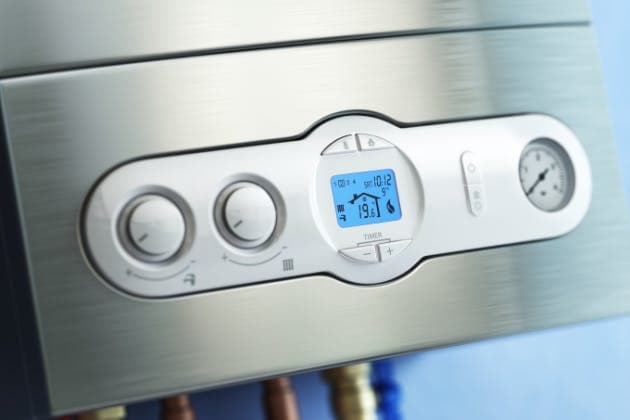
Check the boiler pressure gauge when the system is cold, then compare it with the reading after the heating has been running. A modest increase is normal, but a rapid rise towards the red zone suggests an expansion vessel, overpressure or related fault.
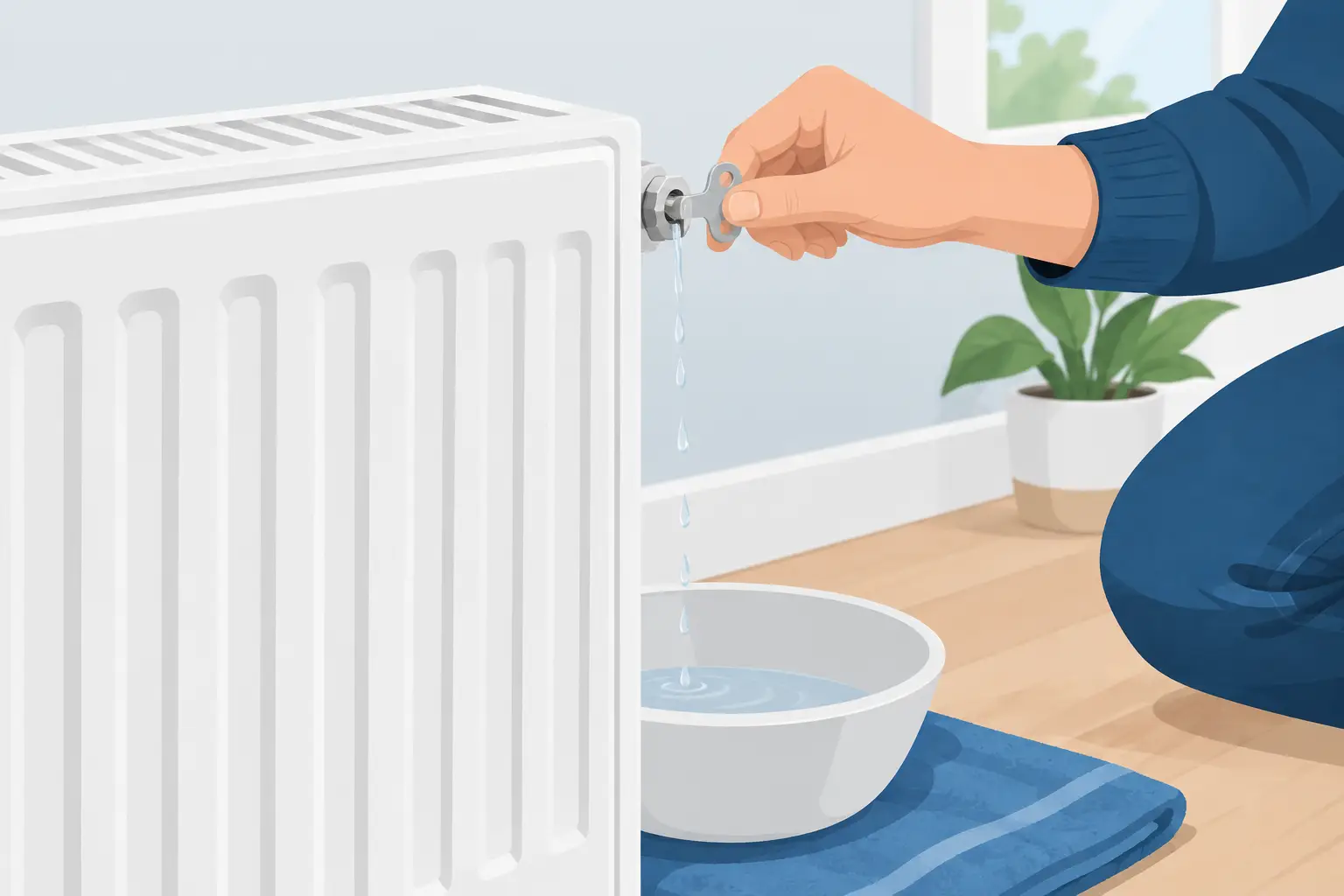
Think about whether the system has been topped up recently, particularly after bleeding radiators. Check that the filling loop valves are fully closed, but do not force them or dismantle the assembly. Also note whether water appears only while the heating is on or continues when the boiler is cold.
A simple diagnostic flowchart
Is the discharge pipe dripping? If no, monitor the pressure gauge. If yes, continue.
Is the pressure high when cold? Stop topping up and arrange advice, as the system may be overfilled or receiving water through the filling loop.
Does pressure rise rapidly when heating runs? A faulty expansion vessel or PRV needs assessment by a qualified engineer.
Does it keep dripping with normal pressure? Debris or a failing PRV is likely, so book a boiler repair.
What not to do
Do not cap, kink or block the discharge pipe. It is a safety outlet, and restricting it could prevent the boiler from releasing dangerous excess pressure.
Do not keep topping up the boiler every day. Repeated filling masks the cause, introduces fresh oxygen and water into the system, and can contribute to corrosion or sludge. If you have bled radiators and the pressure repeatedly falls afterwards, arrange a professional inspection rather than continuing to refill it.
When to call a Gas Safe engineer
Constant discharge, quickly rising pressure or regular pressure loss all require professional attention. You should also arrange an inspection if the boiler locks out, displays fault codes or repeatedly stops working, particularly alongside a leaking discharge pipe.
A Gas Safe engineer can test the PRV, expansion vessel, filling loop and system pressure safely. They can also check for sludge-related issues and advise whether boiler repairs, component replacement or powerflushing is suitable for your heating system.
Book expert boiler repairs and servicing in the Glasgow area today
A leaking boiler pressure relief valve is often repairable, but delaying action can lead to repeated lockouts, water damage and unnecessary strain on the heating system. For safety-focused advice and boiler repairs in the Glasgow area, contact Chalmers Plumbing & Heating on 01413740274 to arrange an appointment.