How to Diagnose Intermittent Hot Water Faults
By Chalmers Plumbing & Heating
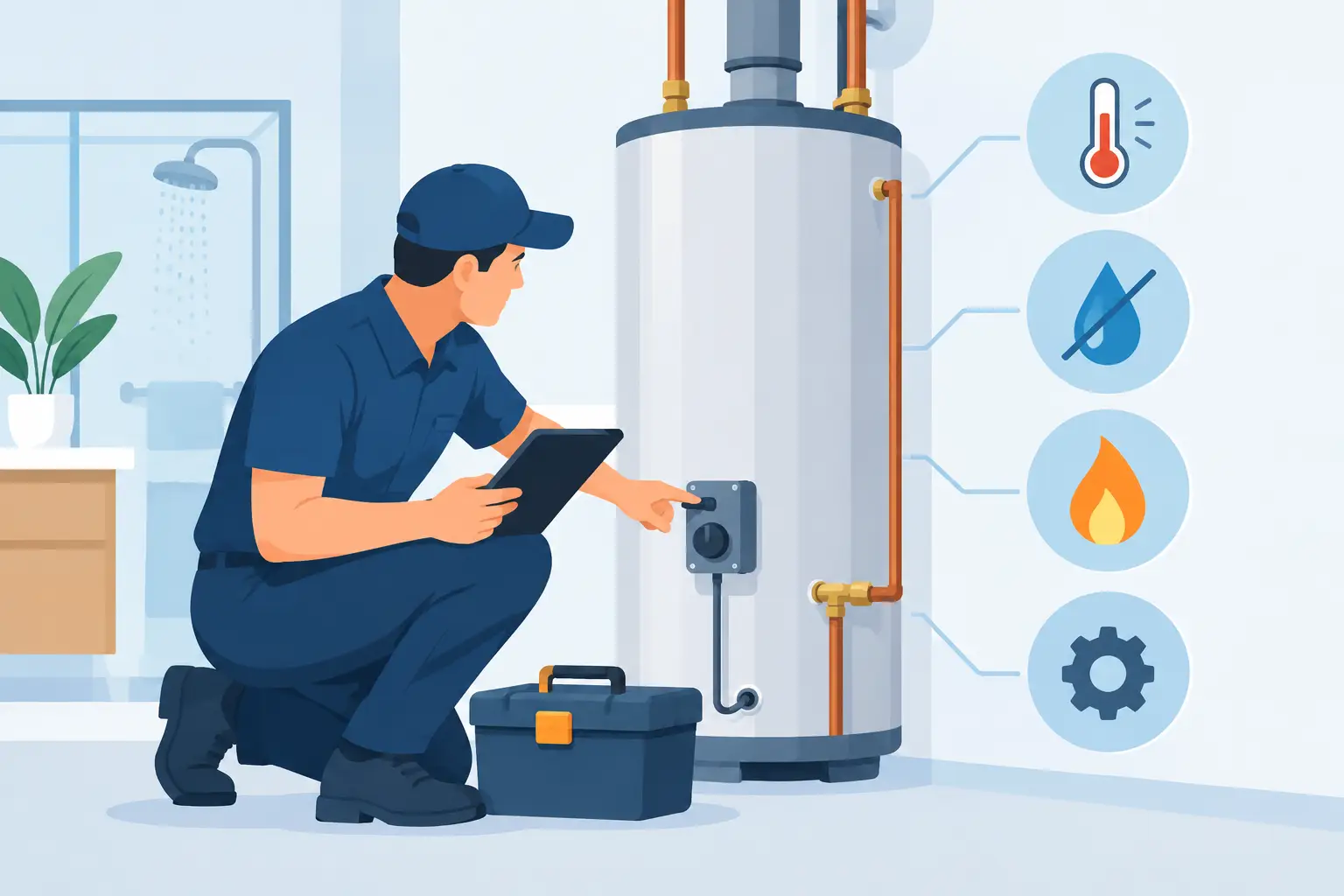
A shower that turns cold halfway through, then returns to normal without warning, is more than an inconvenience. To diagnose intermittent hot water properly, the key is to notice when the fault happens, which outlets it affects and what the boiler does at that moment. Those details help separate a simple flow issue from a fault that needs professional attention.
Intermittent hot water can affect combi boilers, stored hot-water cylinders and commercial systems for different reasons. Avoid repeatedly resetting a boiler or removing its case to investigate. If you smell gas, see a yellow or lazy boiler flame, notice staining around the appliance, or feel unwell with headaches or nausea, turn the appliance off if safe to do so, ventilate the area and seek urgent Gas Safe help.
How to Diagnose Intermittent Hot Water at Home
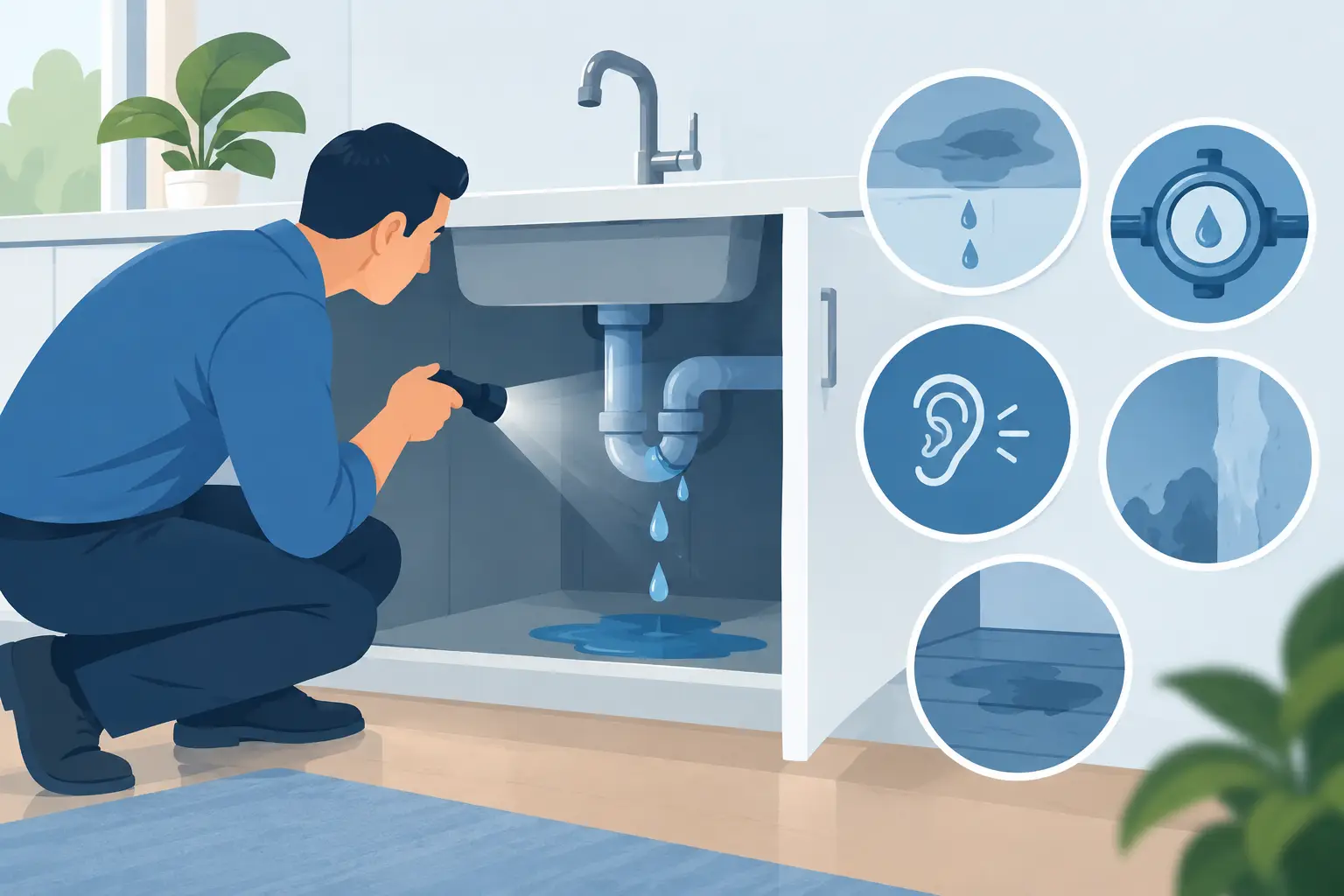
Start by establishing whether the issue happens at every tap or only one. Run a hot tap at the kitchen sink, then try the basin and shower separately. If the kitchen tap stays consistently hot but the shower cycles between hot and cold, the boiler may be working correctly and the shower valve, cartridge or local pipework is the more likely cause.
Next, consider whether heating is working normally. A combi boiler that provides steady radiators but erratic hot water points towards the domestic hot-water side of the appliance, such as a sensor, diverter valve, plate heat exchanger or flow switch. If both heating and hot water are unreliable, the cause may be broader: low system pressure, an ignition fault, an electrical issue or a boiler lockout.
Make a note of the pattern before arranging a visit. It is useful to record whether the problem occurs only in the morning, after several minutes of use, when more than one tap is open, or only during colder weather. Also check the boiler display for a fault code. Do not clear it before noting it down, as that information can considerably shorten the diagnostic process.
Safe checks worth making
There are a few observations a homeowner, landlord or site manager can make without touching sealed or gas-carrying components. Check whether the boiler pressure is within the manufacturer’s normal operating range when the system is cold - many sealed systems sit around 1 to 1.5 bar, but always follow the appliance guidance. Check that the boiler has power, its condensate pipe is not visibly damaged and the hot-water tap has a reasonable, consistent flow.
If water flow is weak at one outlet, clean the tap aerator or shower head if accessible. Limescale and debris can restrict flow enough to stop some combi boilers recognising a hot-water demand. In Glasgow and across much of the central belt, this is not always a hard-water problem; older pipework, disturbed debris and worn fittings can produce similar symptoms.
Do not remove the boiler casing, adjust gas valves, interfere with wiring or repeatedly top up pressure. A pressure drop may signal a leak or failing component, and topping it up again and again can conceal a fault rather than resolve it.
Common Reasons Hot Water Cuts In and Out
Flow rate is too low or changes during use
A combi boiler needs a minimum water flow before it will fire for hot water. If someone opens another cold tap, flushes a toilet or uses a washing machine while a shower is running, the available flow and pressure can change. The boiler may cycle, particularly in a property with low incoming mains pressure or a restrictive shower fitting.
This is sometimes an installation or demand issue rather than a failed boiler. A correctly specified shower, suitable pipe sizing and sensible use of simultaneous outlets can make a substantial difference. In larger homes, a system boiler with an appropriately sized cylinder may be better suited to heavy, overlapping hot-water demand than a combi boiler.
A failing shower cartridge or thermostatic valve
When only the shower goes cold, a thermostatic mixer valve may be compensating poorly for pressure or temperature changes. A worn cartridge can allow cold water to overpower the hot supply, or it may stick as it warms up. The result often feels like a boiler fault, yet the kitchen hot tap remains stable throughout.
A plumber can test the supply temperatures and pressures, inspect the valve and replace the cartridge or shower control where appropriate. Replacing parts without checking the underlying supply conditions first can lead to the same complaint returning.
Boiler sensors, switches or valves are not responding reliably
Inside a combi boiler, several parts work together to detect water demand and control temperature. A worn flow sensor may fail to register a tap opening consistently. A faulty thermistor can report the wrong water temperature, causing the boiler to stop firing too soon or overheat and cycle. A sticking diverter valve can struggle to direct heat towards hot water when needed.
These faults need diagnosis with the boiler safely opened by a Gas Safe-registered engineer. The correct repair depends on test results, the appliance model, its service history and the condition of related components. Guessing at parts can become expensive quickly.
A scaled or restricted plate heat exchanger
A plate heat exchanger transfers heat from the boiler circuit to the domestic hot-water supply. Over time, scale, magnetite or system debris can restrict that transfer. Hot water may begin at a good temperature, then turn lukewarm as the boiler cycles or overheats.
The appropriate remedy varies. It may involve cleaning, replacement, water-quality work or addressing poor system circulation. If the heating water is dirty, a powerflush may be considered, but it is not a universal answer. The system should be assessed first so that any cleaning work is justified and the cause of contamination is dealt with.
Problems with cylinders and stored hot water
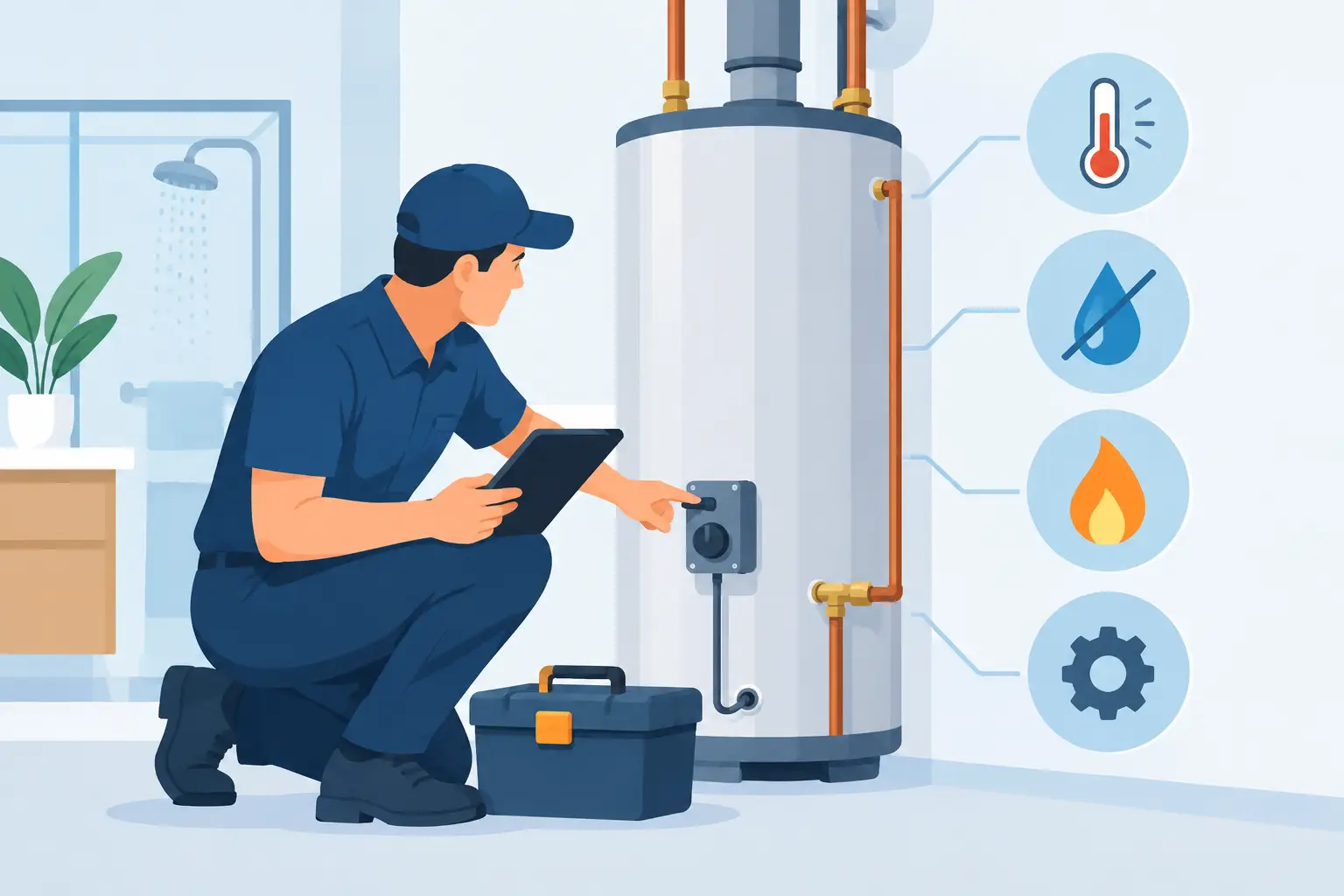
For homes with a hot-water cylinder, intermittent supply can come from a different set of issues. The cylinder thermostat may be inaccurate, a motorised valve may be sticking, immersion controls may be failing, or the cylinder may simply run out during periods of high use. If the first shower is hot but later users get cold water, available stored volume and recovery time are particularly relevant.
A landlord or property manager should also check whether timer settings have been changed, especially after a power cut or tenant changeover. A cylinder that is not heating for long enough can look like an intermittent plumbing fault when the schedule is the actual issue.
What an Engineer Should Check
A proper fault visit should not begin and end with a reset. The engineer should listen to the symptoms, check the boiler’s recorded fault information where available, inspect pressure and water flow, and test the appliance’s operation under hot-water demand. On a cylinder system, controls, valves, thermostat settings and heat-up performance should be checked as part of the same process.
Where a boiler component is suspected, testing should confirm the diagnosis before approved replacement parts are fitted. The appliance should then be run, safety-checked and commissioned correctly. Clear communication matters here: you should know what failed, why the proposed repair is appropriate, and whether age or repair history makes replacement worth considering.
For businesses, developments and multi-unit properties, the same principle applies on a larger scale. Recurring hot-water complaints may point to shared demand, poor balancing, inadequate plant capacity or control settings, rather than a fault within each individual outlet. Looking at the whole system avoids serial call-outs that treat symptoms one flat or unit at a time.
When to Arrange a Repair Visit
Book a Gas Safe engineer promptly if the boiler locks out, pressure keeps falling, hot water repeatedly goes scalding hot then cold, there is a leak, or the issue affects both hot water and heating. These are not faults to leave until a routine service, particularly in properties with children, vulnerable residents or tenants.
If the fault is limited to one shower or tap and the rest of the hot water is reliable, it is usually less urgent, but it is still worth resolving before a worn valve or restriction causes further disruption. Chalmers Plumbing & Heating can assess the full route from outlet to boiler or cylinder, explain the findings plainly and carry out the appropriate repair rather than treating a recurring fault as a quick reset.
A few notes about the timing, affected outlets and boiler display can turn a frustrating intermittent problem into a clear diagnosis. That preparation helps the right repair happen sooner and gives you confidence that the hot water will stay where it belongs - at the temperature you expect.