Gas Boiler Installation Glasgow: What Happens?

By Chalmers Plumbing & Heating

A new boiler is not simply a case of taking one box off the wall and fitting another. A proper gas boiler installation Glasgow homeowners, landlords and businesses can rely on starts with the heating demand of the property, the condition of the existing system and how hot water is used day to day. Get those details right and the result should be dependable heating, responsive hot water and equipment that is commissioned properly from the outset.
For a like-for-like replacement, the work may be completed in a day. Moving the boiler, changing the boiler type or correcting older pipework can take longer. The important point is that the recommendation fits the building and its occupants, rather than being based on the output of the boiler that happened to be there before.
What a professional boiler installation should include
Before a boiler is specified, an engineer should discuss the problems with the current system and inspect the property where needed. A boiler that is too small can struggle when heating and hot-water demand coincide. One that is oversized may cycle on and off unnecessarily, which is not an efficient way to run a heating system.
A heat-loss assessment helps establish how much heat each home or commercial area needs. Factors such as floor area, insulation, glazing, room use and the number of radiators all matter. In a family home, hot-water demand is equally relevant. A property with one bathroom has different requirements from a house with two showers in regular use.
The survey is also the time to check practical details: the proposed boiler location, access for future servicing, the condition of the flue route, condensate drainage, gas supply, electrical connection and controls. These are not minor finishing points. A boiler can only operate safely and efficiently when the installation as a whole has been planned correctly.
Choosing the right boiler type
For many Glasgow homes, a combi boiler is a practical choice because it provides hot water on demand and does not need a separate hot-water cylinder. It can be particularly suitable for flats, smaller houses and properties where space is limited. Its suitability depends on incoming mains water flow and how many outlets are likely to be used at once.
A system boiler works with a hot-water cylinder. It is often the better option where several bathrooms need to be supplied or where a household has higher demand at busy times. A regular boiler may be retained or replaced in properties with an older, tank-and-cylinder arrangement, although the best route depends on the condition of the system and the available space.
There is no single best boiler for every address. The sensible choice balances household demand, room for equipment, future plans for the property and the condition of the pipework and radiators already in place.
Preparing the heating system, not just the boiler
A new boiler connected to a dirty or poorly circulating heating system is unlikely to give its best. Sludge, debris and corrosion within radiators and pipework can restrict flow, create cold spots and place unnecessary strain on components. During the assessment, the engineer should look for signs of poor circulation, leaks, noisy radiators or repeated faults.
Sometimes a chemical clean is sufficient. In other cases, powerflushing may be recommended to remove more stubborn contamination before the new boiler is connected. It is not automatically required with every installation, but it should be considered where the system condition calls for it. Water quality measures, including inhibitor and suitable filtration where appropriate, help protect the system after installation.
This is also an opportunity to address radiators that do not heat evenly, old valves that are sticking or rooms that never feel comfortable. Replacing a boiler without dealing with obvious system issues can mean paying for improved technology without receiving the full benefit.
What happens on installation day?
Good preparation makes the day less disruptive. The work area should be protected, the water and gas supplies isolated safely, and the existing boiler removed carefully. If the boiler is staying in the same location, pipework alterations may be limited. Relocating it to a kitchen cupboard, utility area, loft or another suitable position involves more planning and can affect the timescale.
The new appliance is installed with the correct flue arrangement, condensate route, gas connection and electrical supply. Pipework is altered or upgraded where necessary, and the heating system is refilled, vented and checked. A tidy installation matters, but so does leaving sensible service access around the boiler. A boiler boxed into a difficult space can make future maintenance harder and more expensive.
Customers should expect clear communication if something unexpected is uncovered, such as deteriorated pipework, an unsuitable flue route or a problem with the existing gas supply. These issues are better explained and corrected properly than hidden behind a quick replacement.
Commissioning is where the installation is proved
Fitting the boiler is only part of the job. Commissioning confirms that it has been installed and set up to operate safely and as intended. A Gas Safe registered engineer will carry out the relevant gas-safety checks, test the appliance, check operating pressures and verify that combustion readings are correct.
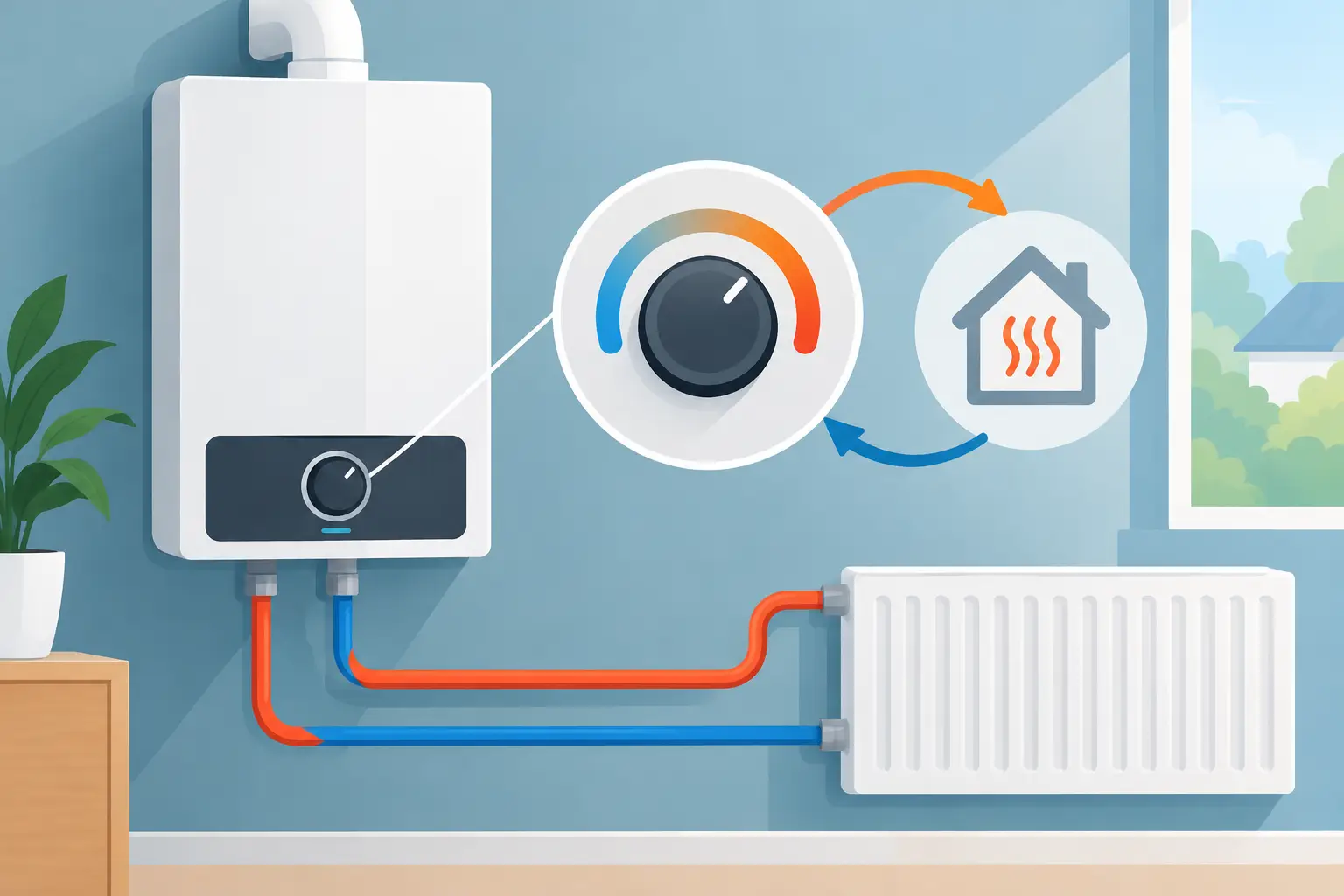
The engineer should also confirm that the heating controls work properly, radiators heat as expected and hot water reaches the required outlets. Modern controls can make a meaningful difference to comfort and running costs. Programmable thermostats, smart controls and zoning allow heating to reflect how the property is actually used, rather than heating every room at the same temperature all day.
At handover, you should receive an explanation of the controls in plain language, along with the relevant paperwork and a record of the work completed. Manufacturer registration and warranty requirements should be dealt with correctly. Keeping those documents together, alongside future service records, makes life easier if the property is sold, let or managed by someone else.
When should you replace rather than repair?
A repair is often the right answer. A single faulty component on an otherwise sound, reasonably efficient boiler does not necessarily justify replacement. An accurate diagnosis should come before a major decision.
Replacement becomes more worth considering when faults are recurring, parts are difficult to obtain, repair costs are rising or the boiler is no longer meeting the property’s heating and hot-water needs. If the system is being extended for a renovation, an old boiler may no longer have the capacity or controls required for the altered layout.
Landlords and property managers should also consider reliability alongside upfront cost. An avoidable loss of heating or hot water can affect tenants, create urgent call-outs and complicate compliance records. For businesses, downtime may affect staff, customers or trading hours. A planned installation is generally easier to manage than a failure in the middle of winter.
Questions worth asking before accepting a quote
A useful quote should make clear what is included, rather than just naming a boiler model. Ask whether the price covers removal of the old appliance, controls, filter or water treatment, flue work, condensate arrangements, commissioning, registration and disposal of waste. If additional work may be needed after inspection, that should be explained clearly.
It is also reasonable to ask why a particular boiler size and type has been recommended, whether your existing radiators and pipework have been assessed, and how long the job is expected to take. The clearest answers are usually practical ones, based on the property rather than a generic package.
Chalmers Plumbing & Heating approaches installations with that level of detail: assessing the system, explaining the options and taking responsibility for the work through to commissioning and handover. For homes and properties across Glasgow and the surrounding area, that means fewer assumptions and a clearer route to reliable heating.
If your boiler is becoming unreliable, or your heating no longer suits the way the property is used, arrange a survey before the cold weather turns a manageable upgrade into an urgent problem. A considered installation gives you the chance to choose the right solution on your terms.