Why Pipes Burst in Winter and How to Prevent It
By Chalmers Plumbing & Heating
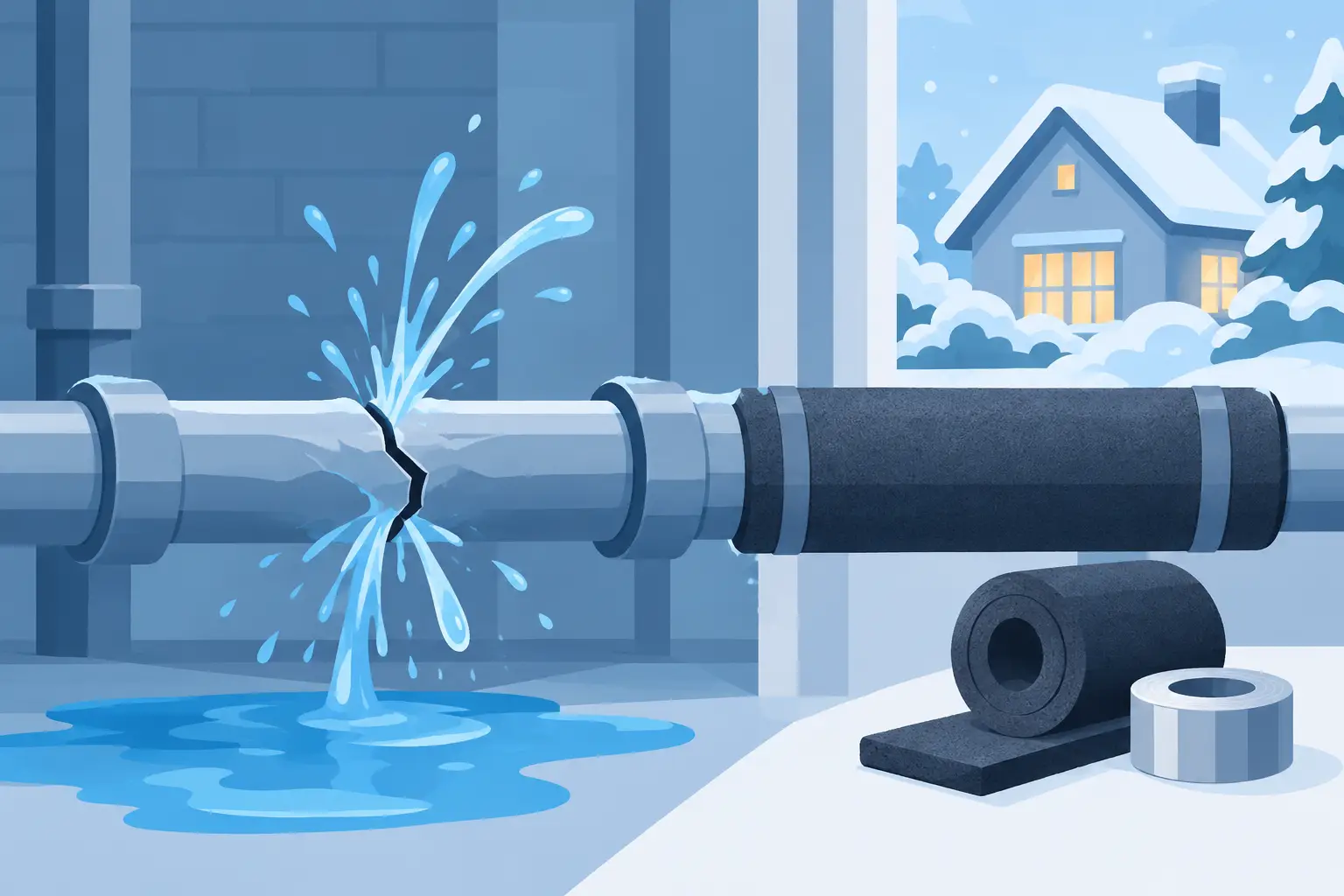
A burst pipe rarely starts with a dramatic bang. More often, it begins during a cold Glasgow night, behind a kitchen unit, in a loft or beneath a vacant flat. By the time the water appears, ceilings, flooring, electrics and belongings may already be affected. Understanding why pipes burst gives homeowners, landlords and property managers a far better chance of preventing major damage.
Why pipes burst in cold weather
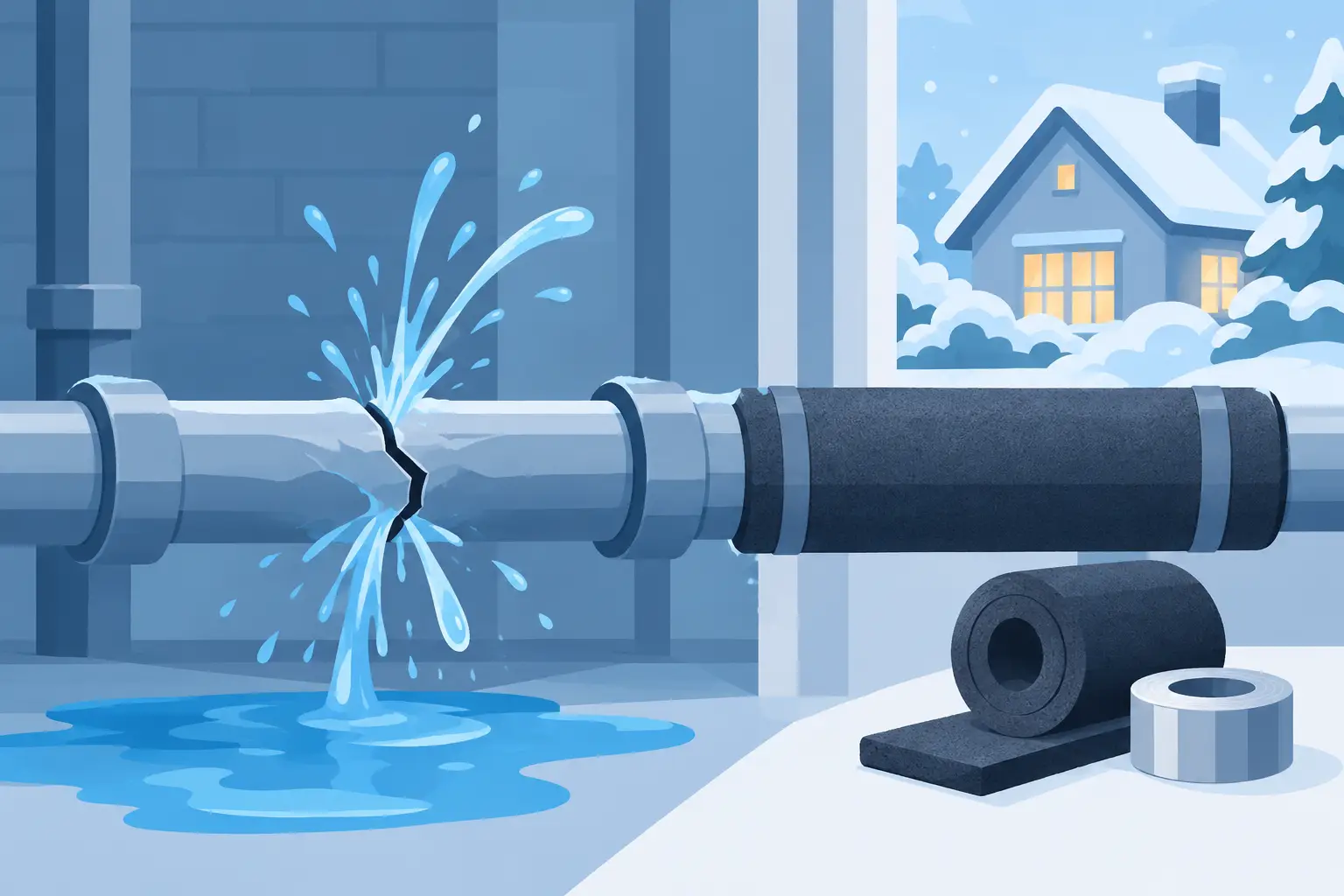
Freezing temperatures are the most familiar cause, but the ice itself is not always what splits the pipe. When water freezes, it expands. If ice forms inside a pipe, it can create a solid blockage. Water trapped between that blockage and a closed tap or valve has nowhere to go as more ice develops, so pressure rises sharply within the pipe.
The pipe often fails at its weakest point. That may be a joint, bend, corroded section, valve connection or a pipe that has already been strained by movement. The split may not become obvious until the ice thaws and water begins flowing again. This is why a property can look fine during a freeze, then suffer a serious leak when temperatures lift.
Pipes at greatest risk are usually in unheated or poorly insulated parts of a building: lofts, garages, outbuildings, under-floor voids, external walls, utility rooms and cupboards against outside walls. Older properties can be particularly vulnerable where pipework has been altered over the years or insulation has been disturbed during renovation work.
A heated home is not automatically protected. A cold draught through an eaves space, an open loft hatch, a broken vent or a boiler that stops working can quickly leave exposed pipework at risk.
Pressure can expose an existing weakness
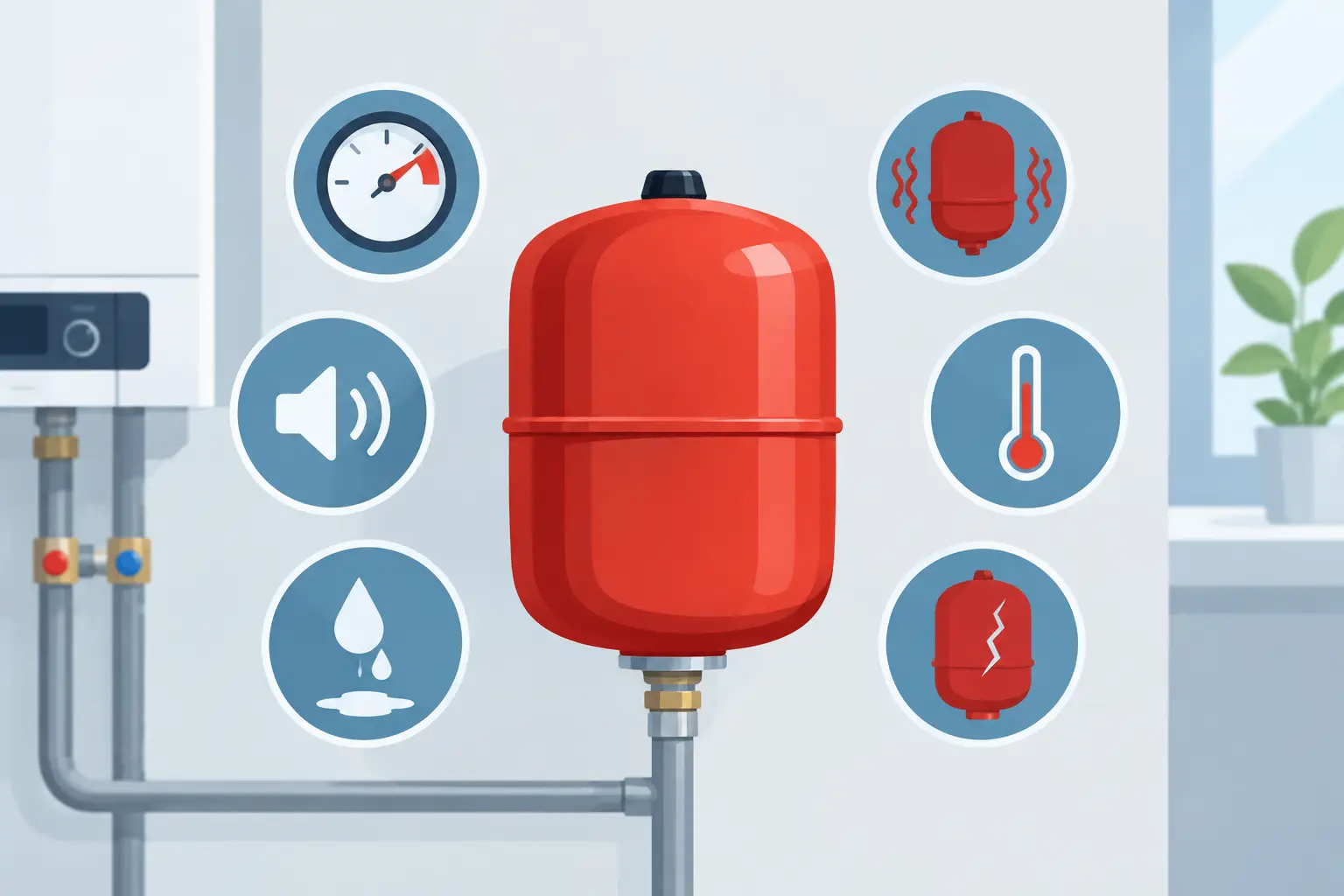
Not every burst pipe is caused by frost. Excessive pressure can force water through a weak joint or split a pipe that has deteriorated over time. On a mains water supply, pressure may be naturally high or affected by changes in the local network. Within a sealed central-heating system, pressure can rise because of a faulty expansion vessel, a filling loop left open, a failed pressure relief valve or another system fault.
A central-heating pressure issue needs proper diagnosis rather than repeated topping up. If a boiler pressure gauge regularly climbs towards the red zone, drops repeatedly, or releases water outside through a discharge pipe, arrange for a qualified heating engineer to investigate. Ignoring the cause can lead to leaks, component damage and loss of heating when it is needed most.
Water hammer is another pressure-related issue. This is the banging or thudding sound sometimes heard when a tap, washing machine or dishwasher valve closes quickly. It is caused by moving water stopping abruptly and sending a pressure shock through the pipework. Occasional noise does not necessarily mean a pipe will burst, but persistent banging should be checked, particularly where pipework is poorly supported or connections are already ageing.
Corrosion, wear and poor pipework installation
Pipes and fittings do not last forever. Corrosion can gradually thin metal pipework from the inside or outside, especially where there is constant condensation, damp conditions or incompatible metals joined without suitable protection. Pin-hole leaks are a common warning sign. They may start as a small stain, green residue on copper fittings, rust around steel pipework or a recurring damp patch.
Old or poorly installed joints can also fail. Pipes need correct support so they do not sag, vibrate or move when water runs through them. They must be routed with sensible allowance for expansion and contraction, especially on heating systems that cycle between cool and hot. A pipe squeezed tightly through timber or masonry can rub over time, while unsupported runs place strain on fittings.
DIY alterations are sometimes the source of a later problem. A connection may appear dry immediately after fitting but fail once it has been exposed to normal operating pressure, heat cycles or movement. Professional plumbing work is not simply about stopping a leak on the day. It means identifying why the failure happened, using suitable materials, securing pipework correctly and testing the repair before the job is signed off.
The hidden causes in empty properties
Vacant homes, rental properties between tenancies and commercial units closed for a period need extra attention in winter. With no daily use, a boiler fault, power cut or failed timer can go unnoticed. A small leak may also run for days before anyone sees it.
Landlords and property managers should make sure responsible people know where the internal stopcock is and can access it. The stopcock is the valve that shuts off the incoming mains water supply. It is often found under the kitchen sink, near the water meter, in a utility area or beneath the stairs, but locations vary.
Where a property will be empty in cold weather, the right approach depends on the building and its heating system. Keeping a safe background temperature can protect pipework, provided the heating system is maintained and monitored. In some circumstances, isolating and draining parts of the water system may be more appropriate. This should be planned carefully, particularly in properties with boilers, tanks, pumps or commercial equipment. Draining a system incorrectly can create further faults or leave essential safety components affected.
Early warning signs not to ignore
A burst is not always completely without warning. Frost on exposed pipes, weak or no water flow from a tap, unusual damp smells and stains on walls or ceilings all deserve attention. So do unexplained increases in water use, dripping from pipe joints, bubbling paint and repeated boiler pressure loss.
If a tap produces only a trickle during freezing conditions, a pipe may be partly frozen. Do not force it, use a blowtorch or apply a naked flame. Gentle warming of the surrounding area with safe household heat, such as a room heater used at a safe distance and under supervision, may help in a minor accessible case. However, if the pipe is bulging, cracked, inaccessible or near electrical wiring, turn off the water supply and call for help.
What to do if a pipe bursts
Fast action limits the damage. If water is escaping from a pipe, first turn off the internal stopcock if it is safe to reach. Then open cold taps to relieve remaining pressure and contain the water using towels, buckets or a suitable tray.
Take these steps in order where possible:
- Switch off the electricity at the consumer unit if water is close to sockets, lighting or electrical equipment, but only if it is safe to do so.
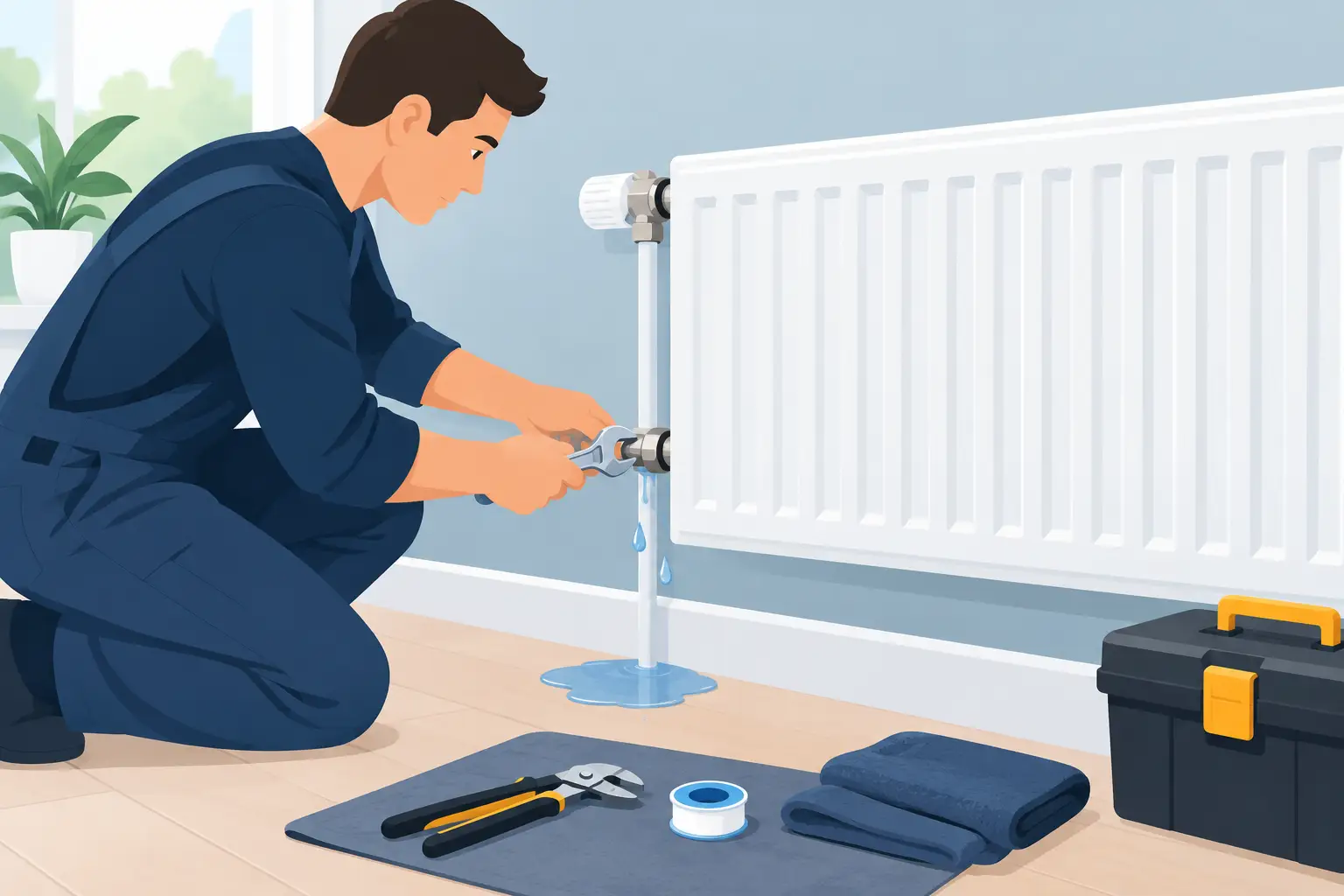
- Turn off the heating system if the leak involves boiler or radiator pipework. Do not remove boiler covers or interfere with gas components.
- Move furniture, stock and valuables away from the affected area.
- Photograph the damage for your insurer before extensive clean-up, where this does not delay essential safety action.
- Arrange a plumbing repair promptly, then ensure wet materials are dried properly to reduce the risk of mould and longer-term damage.
For a commercial premises, consider the wider impact too. Water can affect alarms, IT equipment, suspended ceilings, stored goods and neighbouring units. A quick, organised response is usually far less costly than waiting to see whether a small leak settles down.
Preventing frozen and burst pipes
Prevention works best when it is practical and specific to the property. Insulate exposed pipework with suitable pipe insulation, paying particular attention to lofts, garages and cold cupboards. Insulation slows heat loss but does not create heat, so it should be combined with sensible heating and draught reduction.
Keep the heating on at a low background setting during cold spells, particularly if anyone is away. Check that the boiler is operating correctly before winter rather than waiting for the first hard frost. Annual boiler servicing can identify faults that could leave a property without heating, including issues with controls, circulation and system pressure.
It is also worth checking the stopcock periodically. A valve that has not been touched for years may seize just when it is needed. If it is stiff, leaking or inaccessible, have it assessed rather than forcing it. Make sure everyone responsible for the property knows its location.
For larger homes, converted buildings and commercial sites, a more detailed review may be worthwhile. Pipe routes through unheated areas, ageing valves, poor insulation, repeated pressure faults and historic leaks can point to a system that needs targeted improvements rather than another temporary repair.
At Chalmers Plumbing & Heating, the focus is on finding the cause as well as repairing the visible damage. That may mean tracing a concealed leak, testing heating-system pressure, replacing failed sections of pipework or advising on insulation and controls that suit the building.
A burst pipe is disruptive, but it is often preventable. Before the next cold spell, take ten minutes to locate the stopcock, look over exposed pipes and make sure the heating is working as it should. Those simple checks can protect far more than the pipework.