Boiler Lockout Reset: What to Check First
By Chalmers Plumbing & Heating
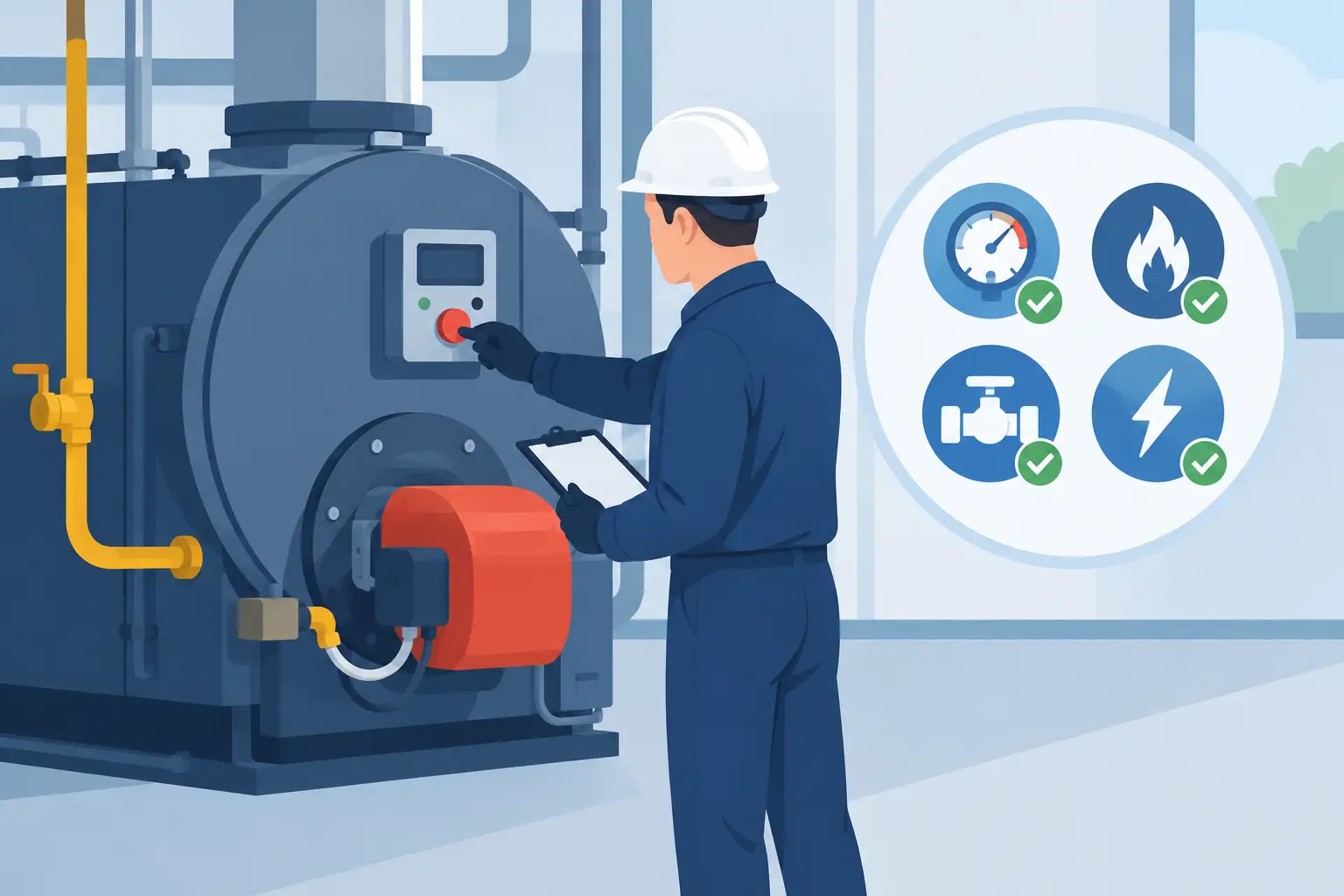
A boiler that has gone into lockout will usually stop providing heating and hot water until the underlying issue is cleared. The display may show a fault code, a flashing red light or a reset message. A boiler lockout reset can sometimes get things moving again, but it should not be used to hide a recurring fault.
For homeowners, landlords and businesses, the priority is simple: make a few safe checks, reset the boiler only as the manufacturer instructs, and arrange a Gas Safe engineer if it locks out again. Repeated resets can delay the proper repair and, in some cases, cause further damage.
What does boiler lockout mean?
A boiler has built-in safety controls that monitor ignition, flame, water pressure, circulation, flue operation and overheating. If it detects a condition that could stop it working safely or efficiently, it shuts down and enters lockout.
This is not necessarily a sign that the boiler needs replacing. It may be caused by low system pressure, a temporary interruption to the gas supply, a frozen condensate pipe or an ignition issue. Equally, it can point to a component fault that needs professional diagnosis, such as a fan, pump, sensor, gas valve or printed circuit board.
The fault code matters. Different makes and models use different codes, so check the boiler manual or the manufacturer’s guidance for your exact appliance. Make a note of the code before resetting it. That information helps an engineer trace an intermittent problem, especially if the boiler starts again before their visit.
Safe checks before a boiler lockout reset
Start with the straightforward checks that do not involve removing the boiler casing or touching gas components. If you smell gas, feel unwell, notice soot or staining around the appliance, or a carbon monoxide alarm sounds, do not reset the boiler. Turn off the appliance if safe to do so, ventilate the area, leave the property where necessary and seek urgent professional advice.
First, check that there is power to the boiler. The fused spur beside it may have been switched off, a circuit may have tripped, or a prepayment meter may have run out of credit. Check the display is lit and that the heating controls are calling for heat. A room thermostat set below the current room temperature will not ask the boiler to fire.
Next, look at the pressure gauge or digital pressure reading. Most sealed central-heating systems operate at roughly 1 to 1.5 bar when cold, although the correct range can vary by model. A reading well below 1 bar is a common reason for a lockout. If you know how to use your system’s filling loop and your manufacturer allows it, repressurise slowly to the recommended level, then close the valves fully.
Do not keep topping up pressure. If it regularly drops, there may be a leak, an issue with the expansion vessel or a faulty pressure relief valve. Water marks near radiators, pipework or the external discharge pipe can provide useful clues, but the cause still needs checking.
During cold Glasgow weather, a frozen condensate pipe is another frequent culprit. This is normally the plastic pipe carrying acidic condensate from the boiler to an outside drain. A frozen blockage may cause gurgling, a fault code or a shutdown. If the accessible external pipe is frozen, it can often be thawed gently using warm water, not boiling water, and a hot-water bottle. Never use a naked flame, attempt this from a height, or force frozen pipework.
Also check whether other gas appliances are working, if you have them. If your gas hob will not light either, the issue could be the supply rather than the boiler. Do not interfere with the meter, gas pipework or boiler internals.
How to carry out a boiler lockout reset
Once you have completed the basic checks and there is no sign of an urgent safety issue, follow the reset procedure in the appliance instructions. On many boilers, this involves pressing and holding a reset button for a few seconds. Others use a dial position, touchscreen menu or a button marked with a flame or circular arrow.
Keep the process measured. Reset the boiler once, then give it a few minutes to complete its start-up sequence. Listen for normal operation and check whether the display returns to its usual screen. If the heating and hot water come back and the fault does not return, continue to monitor it over the next day or two.
Avoid repeatedly pressing reset. One reset after the appropriate checks is reasonable. A boiler that immediately locks out again is giving you useful information: the fault remains present. Continually cycling it can make diagnosis harder and may put extra strain on components.
If you have recently had a power cut, gas interruption or frozen condensate pipe, a successful reset may be all that is required. If the lockout follows a pattern - perhaps only when the heating starts in the morning, when hot water is used, or during colder weather - write that down. The timing can help identify a circulation, ignition or condensate issue.
When low pressure is the likely cause
A low-pressure reading after bleeding a radiator or following planned work on the system is often straightforward to correct. Repressurise only to the boiler manufacturer’s stated cold pressure and reset the appliance if necessary.
However, pressure that falls repeatedly is not normal maintenance. Do not assume it is simply due to an old boiler. Small leaks can be hidden beneath floors, behind boxing or within the boiler itself. An engineer can check the system properly and advise whether a repair, replacement part or further investigation is needed.
When a frozen condensate pipe is the likely cause
A condensate fault is more likely in freezing conditions, particularly where the pipe runs externally for a long distance or has inadequate insulation. Once thawed, the boiler may reset and run normally. That solves the immediate problem, but it may be worth having the pipe route assessed before the next cold spell.
A correctly sized, well-routed condensate pipe is less likely to freeze. Where changes are needed, they should be planned to meet current guidance rather than patched together as a temporary fix.
When to call a Gas Safe engineer
Arrange professional help if the boiler will not reset, locks out again, loses pressure, makes unusual noises, leaks water, shows a persistent error code or produces unreliable hot water. Landlords and property managers should take repeat lockouts seriously, particularly where tenants could be left without heating or hot water.
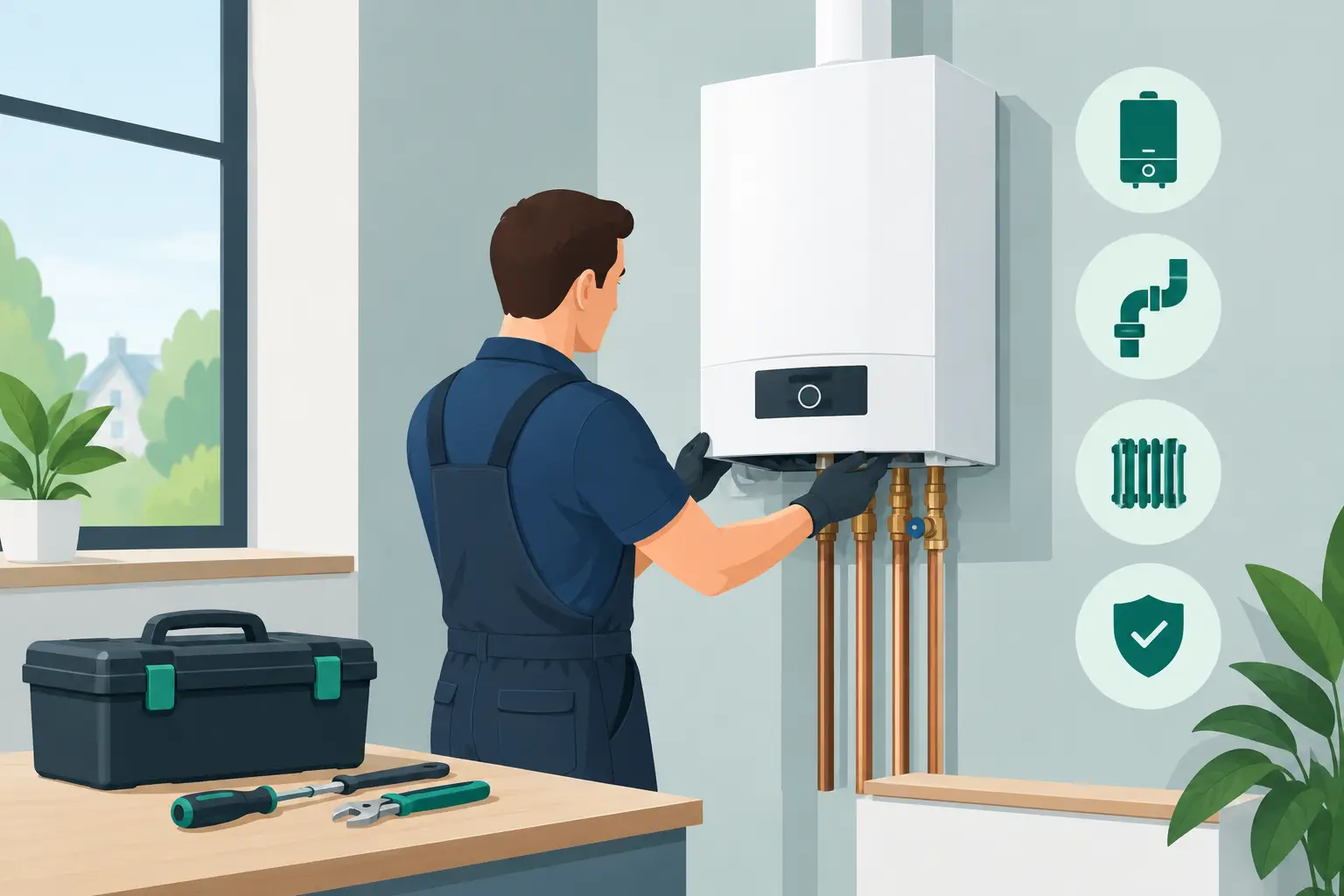
An engineer should also be called if the boiler has an ignition or flame-related fault. These faults may involve the gas supply, electrodes, burner, fan, flue or safety controls. The boiler case must only be removed by a suitably qualified Gas Safe registered engineer.
A proper repair visit is more than clearing a code. The engineer should identify why the boiler locked out, test the relevant components, inspect the flue and combustion where required, confirm correct system pressure and operation, then explain what has been found. If a part is needed, you should be told what it is, why it has failed and what the next step will be.
At Chalmers Plumbing & Heating, we treat a lockout as a diagnosis job, not just a reset button job. Clear fault information, correct testing and properly commissioned repairs help prevent the same issue returning when you need the heating most.
Preventing future lockouts
An annual boiler service is the most practical way to catch developing faults before they become a no-heating call-out. It gives an engineer the opportunity to inspect the appliance, check safety devices, assess combustion, clean components where appropriate and spot signs of pressure or circulation problems.
Keep the boiler area accessible, avoid covering external flues or condensate outlets, and pay attention to changes in performance. Radiators that stay cold, banging pipework, slow hot water or a pressure gauge that keeps moving are all worth addressing before a lockout occurs.
If your boiler has reset once and is now working, do not panic - but do not forget it either. A note of the fault code, pressure reading and weather conditions can turn a frustrating intermittent fault into a faster, more accurate repair.