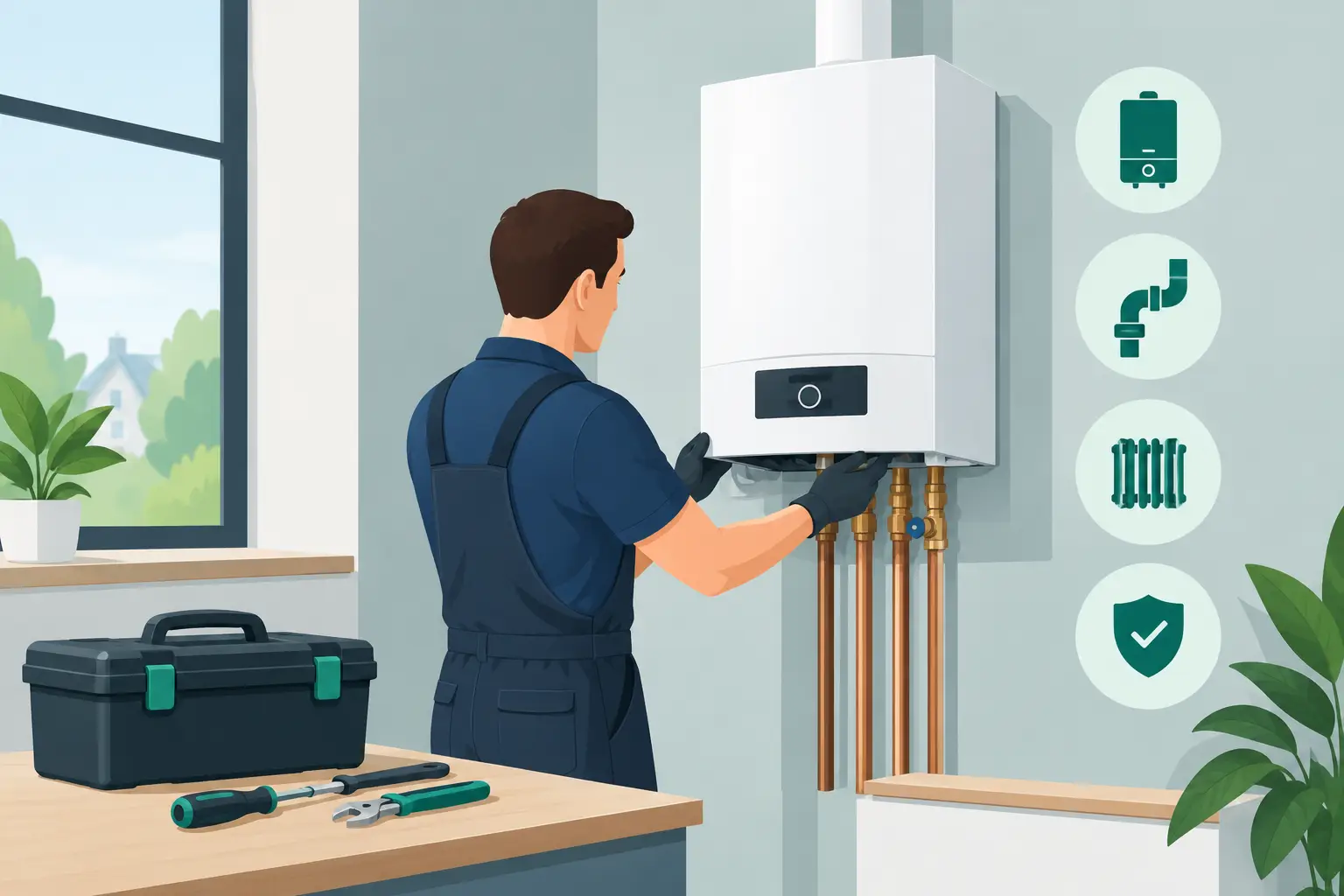
Commercial Gas Pipework Compliance Guide
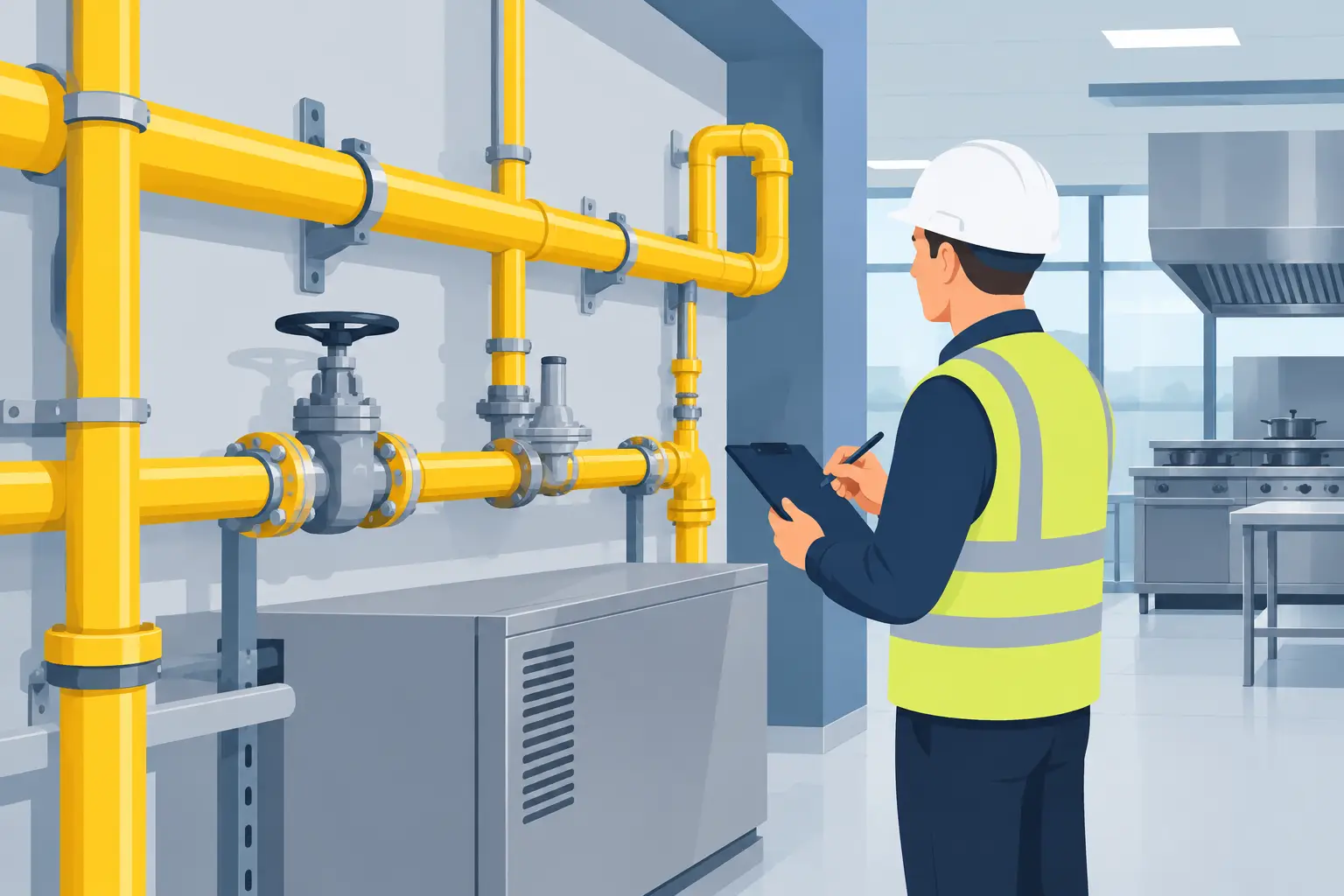
By Chalmers Plumbing & Heating
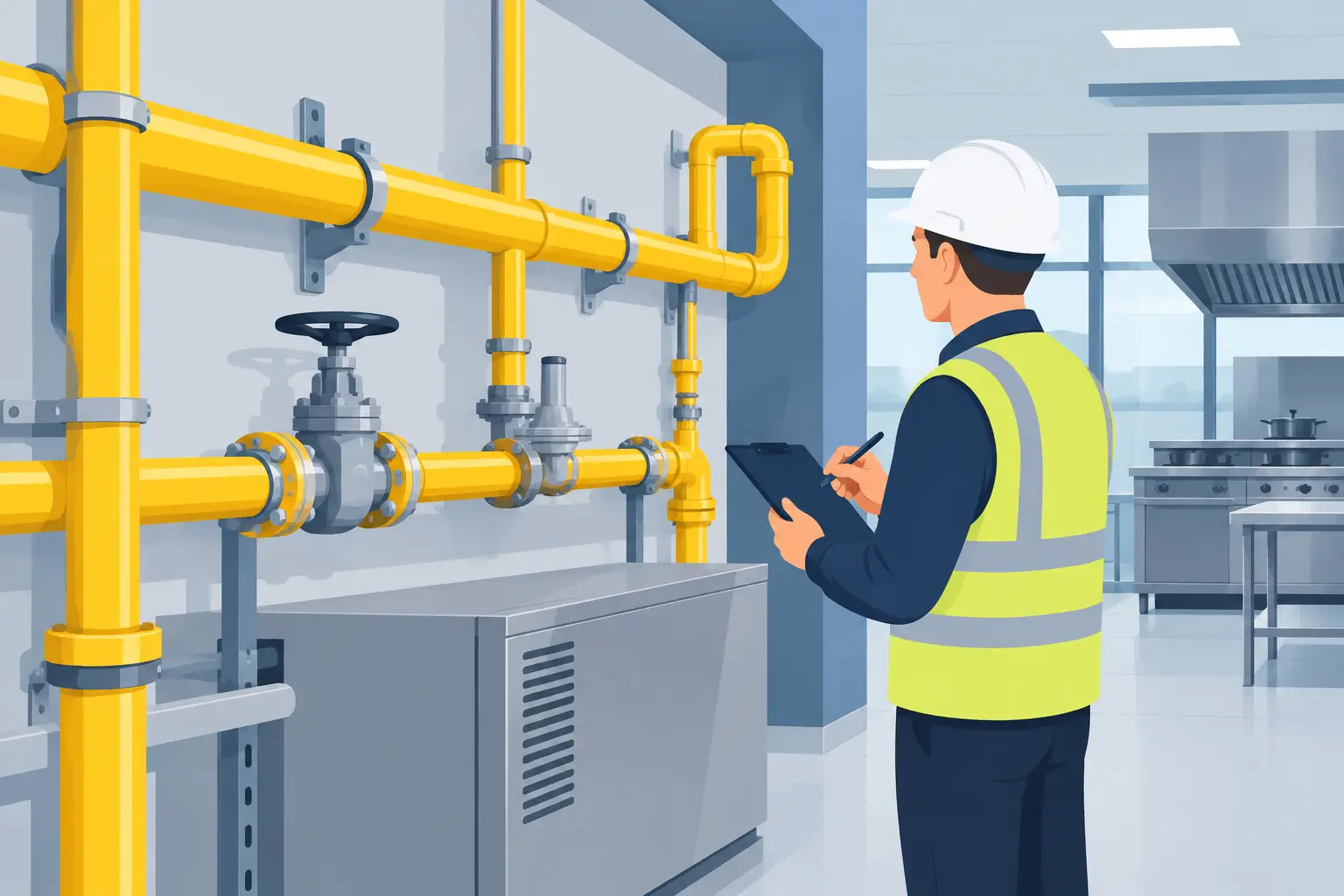
A commercial kitchen can be fully staffed, a boiler plant room can appear tidy, and gas appliances can still be operating on unsafe pipework. That is why this commercial gas pipework compliance guide focuses on the parts of a system that are easy to overlook: who is responsible, how pipework should be checked, and what records show that issues have been dealt with properly.
For businesses, landlords and managing agents, gas compliance is not simply a certificate to file away. It is an ongoing duty to make sure gas installations are installed, maintained and used safely. The exact requirements vary with the building, the appliances and who controls the premises, but the consequences of getting it wrong are serious.
Who is responsible for commercial gas safety?
Under the Gas Safety (Installation and Use) Regulations 1998, a person with control over gas fittings, pipework or appliances has a duty to ensure they are maintained in a safe condition. In a commercial setting, that might be the business owner, facilities manager, landlord, managing agent or tenant. The lease and practical arrangements matter, but responsibility cannot be left unclear.
A landlord normally retains duties for pipework and appliances they provide or control. A tenant may take responsibility for equipment installed for their own business, such as catering appliances. Shared plant rooms, risers and service routes need particular attention because several parties may assume somebody else is looking after them.
The sensible approach is to confirm responsibility in writing. Keep an up-to-date asset list that identifies each gas appliance, meter, emergency control valve and section of pipework, along with the party responsible for it. This makes planned servicing, inspections and repairs much easier to manage.
Commercial gas pipework compliance guide: the essentials
Commercial gas pipework needs to be designed, installed and maintained by a suitably qualified Gas Safe registered engineer. Gas Safe registration alone is not the whole check. The engineer must also hold the right categories of work for the installation involved, particularly where commercial boilers, catering equipment, plant rooms or specialist systems are concerned.
Pipework should be appropriately sized for the appliances it serves. Undersized pipework can cause inadequate gas pressure at appliances, poor combustion, lockouts and unreliable performance. Oversimplifying a system during a refurbishment, or adding appliances without reviewing the supply, can create problems that only become apparent at busy periods.
Compliance also means that pipework is protected from damage, corrosion and unauthorised interference. Routes should be supported correctly, accessible for inspection where practical, and clearly identified where they pass through plant areas or service voids. Valves must be accessible and labelled so staff and emergency services can isolate the gas supply quickly.
Where pipework passes through walls, floors or external areas, the method of protection and sealing matters. Poorly considered alterations can leave pipework vulnerable, conceal joints where they cannot be inspected, or affect fire compartmentation. Any change to the building fabric should be considered alongside the gas installation, not as a separate job.
Installation, alteration and recommissioning
New pipework is only compliant when the full job has been completed correctly. That includes appropriate materials and jointing, tightness testing, purging, appliance connection, ventilation checks, flue assessment where relevant, commissioning and clear handover information.
The same applies after alterations. Moving a boiler, replacing catering equipment, changing a meter arrangement or extending a gas line should not be treated as a minor plumbing task. The work may affect pipe sizing, ventilation, combustion air, emergency isolation and the operation of other appliances on the system.
If an installation has been shut down for a prolonged period, damaged by building works or altered by another contractor, it should be assessed and recommissioned by a competent engineer before it is returned to use.
Inspection and maintenance are not one-off tasks
There is no single timetable that suits every commercial building. A small office boiler installation has different risks and maintenance needs from a restaurant kitchen, school, care setting, workshop or multi-let property. Usage levels, appliance type, manufacturer instructions and the environment all influence the inspection frequency.
A planned maintenance programme should cover both appliances and the associated pipework. During an inspection, an engineer may assess the visible condition and support of the pipework, signs of corrosion or damage, valve operation, gas tightness, working pressure, ventilation and appliance combustion. Flues, interlocks and emergency shut-off arrangements may also form part of the visit, depending on the system.
Commercial catering installations often require additional attention. Extract systems, safety interlocks and gas isolation arrangements must work together. If the extract fails, an appropriate interlock may need to prevent gas from being supplied to the cooking appliances. The required arrangement depends on the equipment and risk assessment, so it should be designed for the site rather than copied from another kitchen.
Do not wait for a smell of gas, repeated boiler fault or failed inspection to investigate. Yellow or unstable flames, soot marks, unexplained shutdowns, slow hot-water recovery, damaged pipe insulation and corroded fittings all justify a prompt professional check.
Keep records that are useful, not just present
A compliance file should help a responsible person understand the installation at a glance and demonstrate that it is being managed properly. A certificate with no context is rarely enough when a fault occurs, premises change hands or an insurer asks for evidence.
Keep installation and commissioning records, appliance manuals, servicing reports, inspection reports, repair details and any warning notices together. For larger or more complex premises, include pipework drawings or schematics, a register of isolation valves and a record of any alterations. Digital records are practical, provided they are complete and easy to retrieve.
A report should identify what was tested, what was found, what work was completed and whether any further action is needed. If an engineer identifies an unsafe situation, act on it immediately. Equipment may need to be isolated or labelled as unsafe, and it must not be put back into use until the defect has been properly rectified and the installation checked.
It is worth distinguishing between an annual landlord gas safety record and wider commercial compliance. Landlords have specific duties for relevant rented accommodation, but a commercial premises may need a more tailored maintenance and inspection regime. The document required depends on the building and its use. The underlying obligation remains the same: keep the installation safe.
Make emergency arrangements clear to staff
Compliance is weakened if only one person knows where the emergency control valve is or what to do after a suspected gas leak. Staff who are regularly on site should know the basic procedure, especially in kitchens, plant rooms and managed premises.
If gas is suspected, do not operate electrical switches or create a source of ignition. Turn off the gas supply if it is safe to do so, open doors and windows where appropriate, move people away from the affected area and contact the gas emergency service. Do not restart appliances until the cause has been investigated by a suitably qualified engineer.
Your emergency plan should be proportionate. A small commercial unit may only need a clearly labelled isolation valve and straightforward staff instructions. A larger site may need nominated responsible people, site plans, shutdown procedures and coordination with building management.
Choosing the right contractor
For commercial gas work, the cheapest quotation is rarely the most useful comparison. Ask whether the engineer is Gas Safe registered for the equipment and scope of work, how testing and commissioning will be recorded, and whether any issues outside the immediate repair will be explained clearly.
A dependable contractor should be willing to identify what is known, what needs investigation and what work is genuinely required. That matters when pipework is concealed, drawings are missing or a building has changed use several times. At Chalmers Plumbing & Heating, this means assessing the installation properly, explaining the findings in plain language and leaving a clear record of completed work.
If your premises has not had a proper review of its commercial gas installation, arrange one before a small defect becomes an interruption to trading. Clear responsibilities, documented checks and correctly completed repairs give you a safer building and fewer unwelcome surprises.