Boiler kettling: what it is, why it happens, and what to do
Understand those strange boiler noises, what they mean, and the safest way to deal with them before they turn into a breakdown.
By

If your boiler has started to rumble or whistle like a boiling kettle, it is not something to ignore. Those sounds are often a sign of boiler kettling, and catching it early can save you from an inconvenient and expensive breakdown.
What boiler kettling actually is
Boiler kettling is the name given to rumbling, whistling or hissing noises coming from your boiler. It often sounds like a kettle just as it reaches the boil, sometimes with a low, churning rumble.
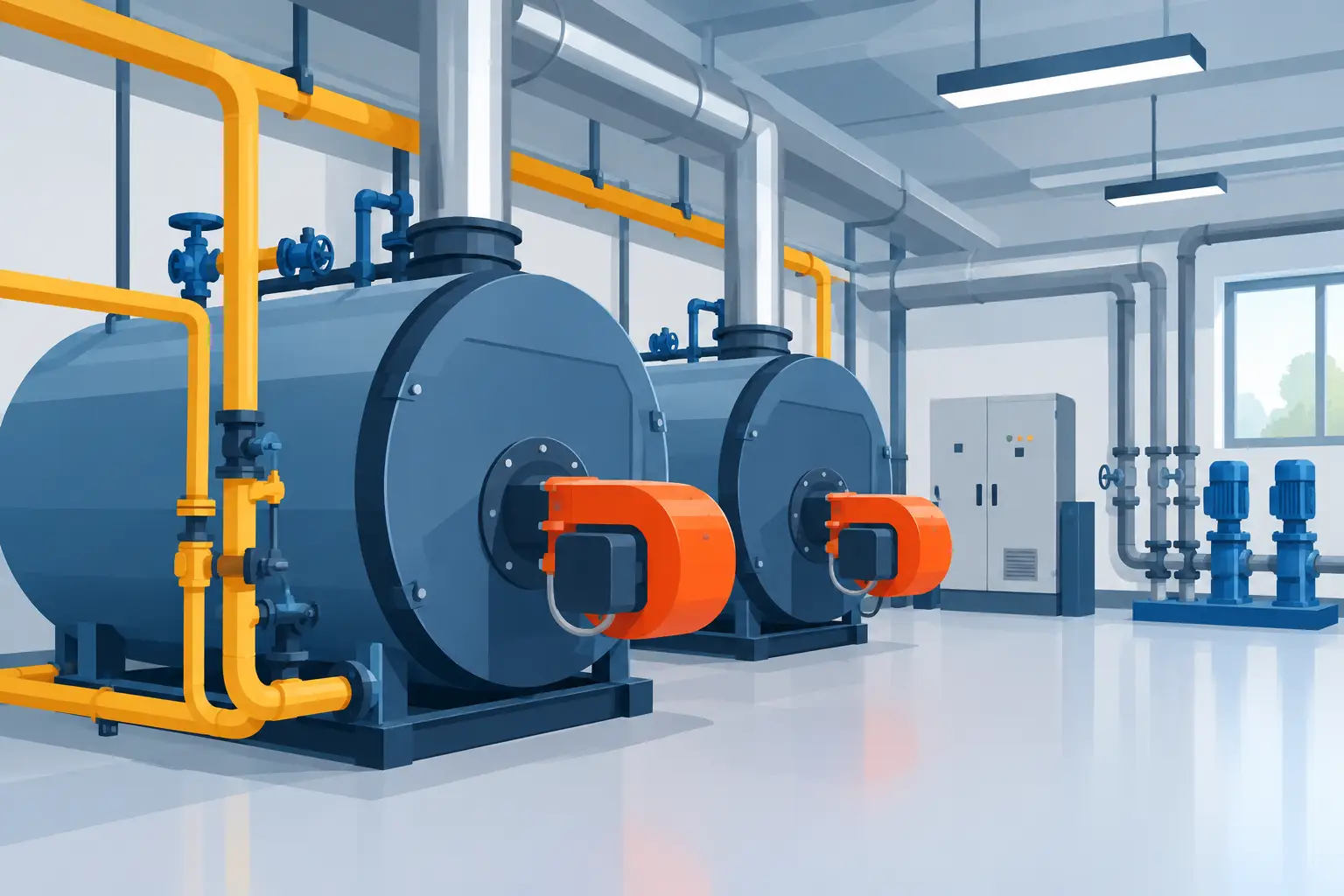
In simple terms, kettling happens when water flow inside the boiler is restricted. Water then overheats in small areas of the heat exchanger, turning to steam and creating noisy turbulence as cooler water passes by.
Main causes of boiler kettling
Several issues can reduce water flow and cause localised overheating. Some are linked to hard water, others to the age and condition of the heating system.
The most common causes of kettling include:
Limescale on the heat exchanger: In hard water areas, scale builds up inside the boiler, narrowing passages and creating hot spots.
Sludge and system debris: Rust and dirt circulate from radiators and pipework, collecting in the boiler and restricting flow.
Pump problems: A failing or incorrectly set pump may not move water quickly enough through the system.
Partially closed valves: Motorised or manual valves that are stuck or not fully open reduce circulation.
Low overall water flow: Blocked filters, undersized pipework or airlocks can all slow the flow and encourage kettling.
Left unchecked, these problems can put extra strain on the boiler, shorten its lifespan and, in some cases, lead to leaks or total failure.
Simple at-home checks before calling an engineer
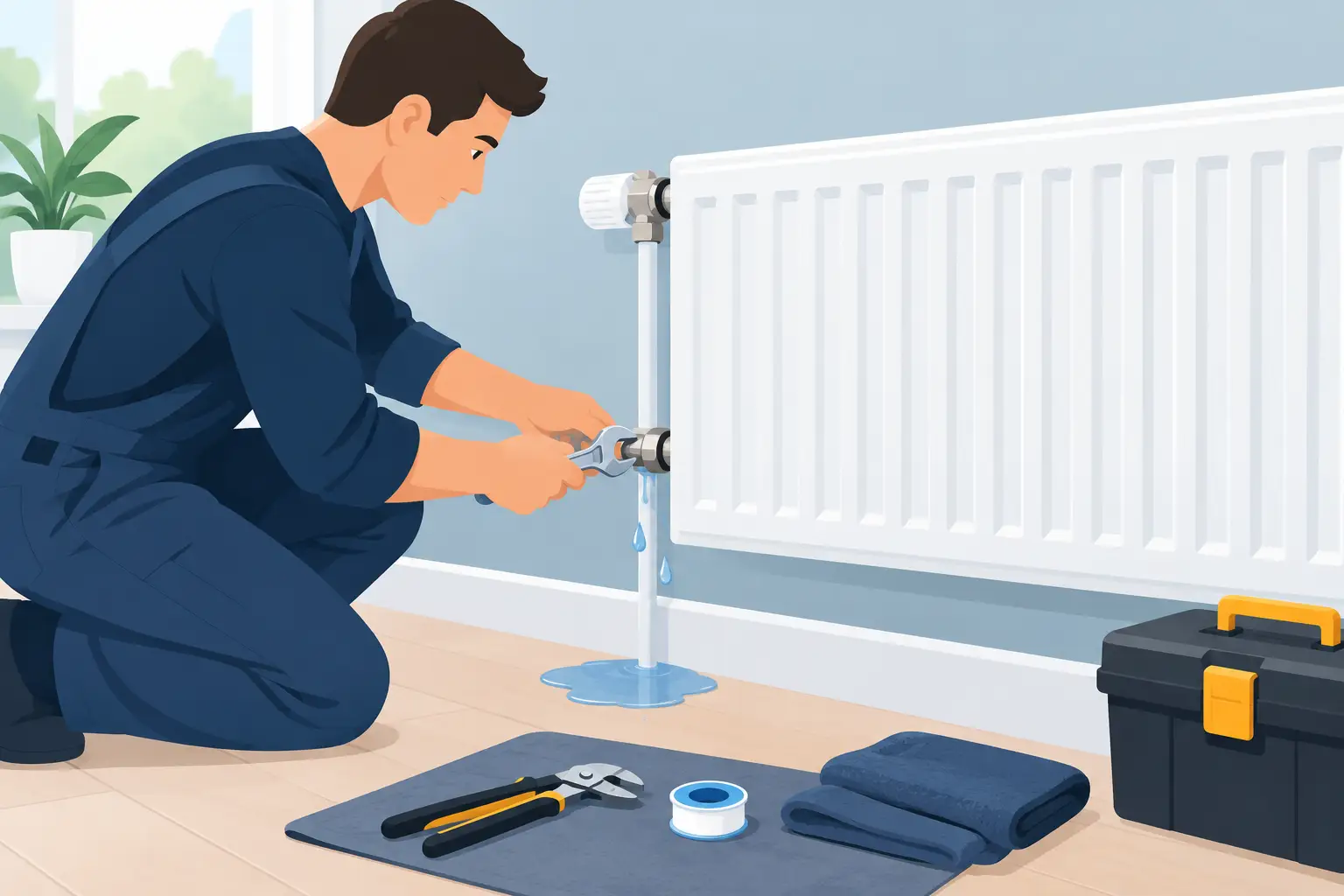
You should never take the boiler case off or try to repair internal components yourself. However, a few safe checks around the controls and radiators can help you and your engineer understand what is going on.
Here are sensible steps you can take at home:
Check the pressure gauge: On most systems, the cold pressure should sit around 1.0 to 1.5 bar. If it is very low or very high, make a note for your engineer.
Listen for patterns: Notice whether the kettling only happens with heating, only with hot water, or both. Also note if it starts when the boiler fires and then fades.
Feel the radiators: When the heating is on, carefully check for cold spots at the bottom or centre, which can indicate sludge build up.
Look for fault codes: If your boiler has a digital display, write down any error codes or flashing lights you see.
Keep this information handy. It can make diagnosis quicker and may reduce the time your engineer needs to spend on site.
Risks of ignoring boiler kettling
Occasional minor noise is fairly normal, especially as a boiler fires up or shuts down. Persistent kettling noises, however, are a sign that something is not right inside the system.
Over time, restricted flow and localised overheating can cause components to overheat and fail. The boiler may lock out more often, parts like the pump or heat exchanger can suffer damage, and efficiency usually drops.
In severe cases, excessive stress on the heat exchanger can lead to leaks, which are more disruptive and costly to repair than addressing the original kettling issue early on.
Noise types: kettling, banging and gurgling
Not every strange noise is kettling. Understanding the difference helps you describe the problem accurately when you speak to an engineer.
Kettling noises
Kettling is typically a rumbling, hissing or whistling noise from inside the boiler itself. It often builds up as the boiler heats, rather than being a single, sharp sound.
Banging or knocking sounds
Banging, clunking or hammering noises often come from pipework or radiators rather than deep inside the boiler. They may be caused by loose pipes, air in the system or sudden changes in pressure or flow.
Repeated loud bangs from the boiler can, however, indicate delayed ignition or serious internal issues. This situation needs urgent attention from a Gas Safe engineer.
Gurgling and trickling
Gurgling, trickling or sloshing sounds usually point to air or low water in the system. They are commonly heard in radiators or pipes and may improve after proper bleeding and pressure adjustment by a professional.
Professional solutions for boiler kettling
Once a Gas Safe registered engineer has inspected your system, they will recommend the most suitable remedy based on the cause of the kettling and the age of your boiler.
Common solutions include a system clean or powerflush to remove sludge and debris from radiators, pipework and the boiler. This can restore proper flow and reduce further wear on components.
Fitting a magnetic filter on the return pipework helps capture rust particles before they enter the boiler, keeping the system cleaner for longer. Your engineer may also add or refresh inhibitor chemicals to limit future corrosion and scale build up.
If components such as the pump, valves or even the heat exchanger have been damaged or are heavily scaled, targeted replacement may be recommended. In some cases, especially with very old or inefficient boilers, your engineer might advise that a replacement boiler is more cost effective than repeated repairs.
For faults directly related to the boiler, a specialist boiler repair service will be needed to get everything working safely and reliably again.
Information to gather before booking a visit
Being prepared helps your heating engineer diagnose and fix the issue more efficiently. Before you pick up the phone or send an enquiry, put together a brief checklist.
Boiler make and model (usually found on the front panel or inside the user handbook)
What noises you are hearing and when they happen (heating, hot water, or both)
How long the problem has been going on and whether it is getting worse
Current boiler pressure reading and any fault codes showing
If you are concerned about boiler kettling, strange noises or general boiler performance, it is always safer to get it checked sooner rather than later. To arrange a professional assessment and repair, contact Chalmers Plumbing & Heating on 01413740274 and share the checklist you have gathered so we can help you quickly and safely.