How to Isolate a Leaking Pipe Before Damage Spreads
By Chalmers Plumbing & Heating
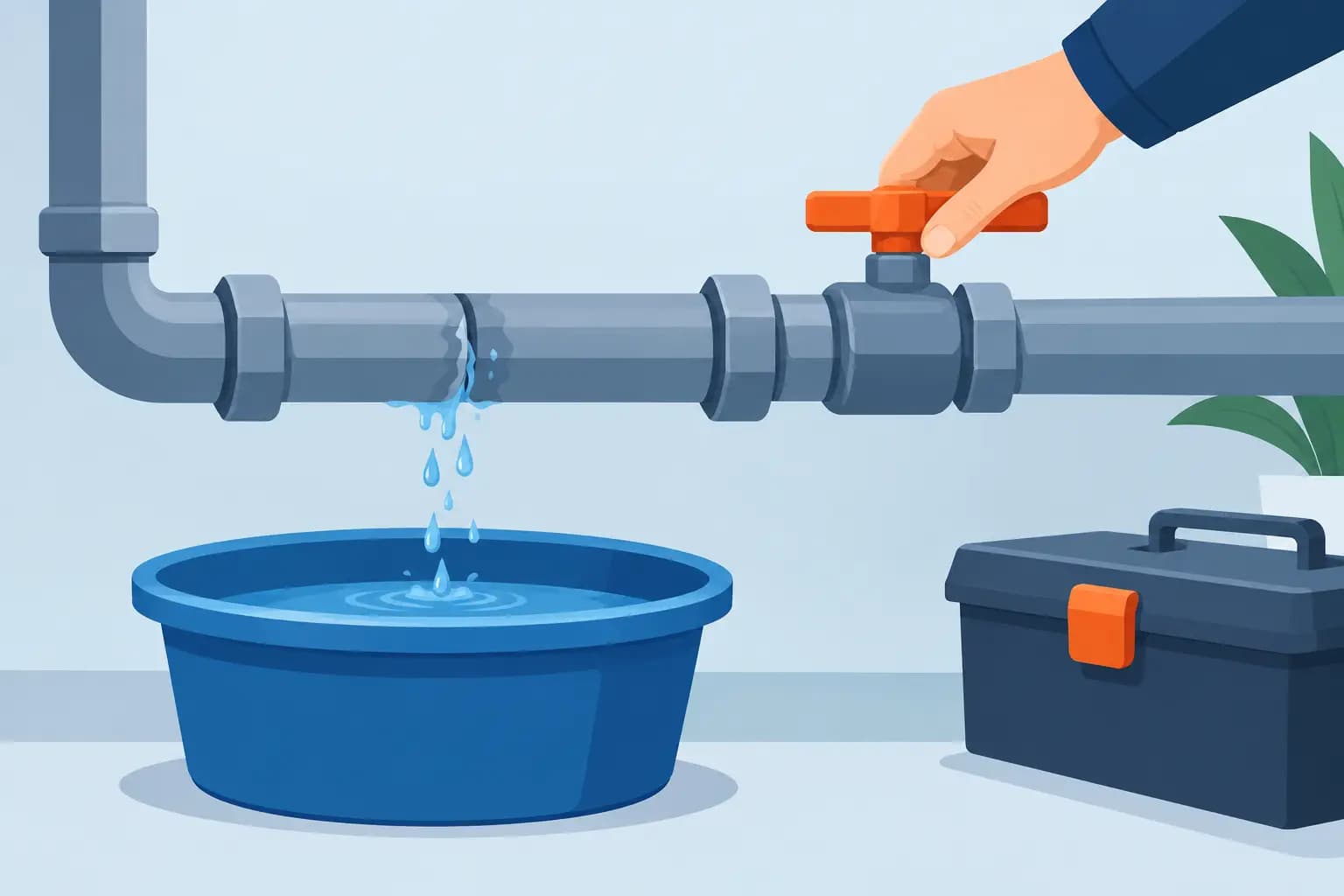
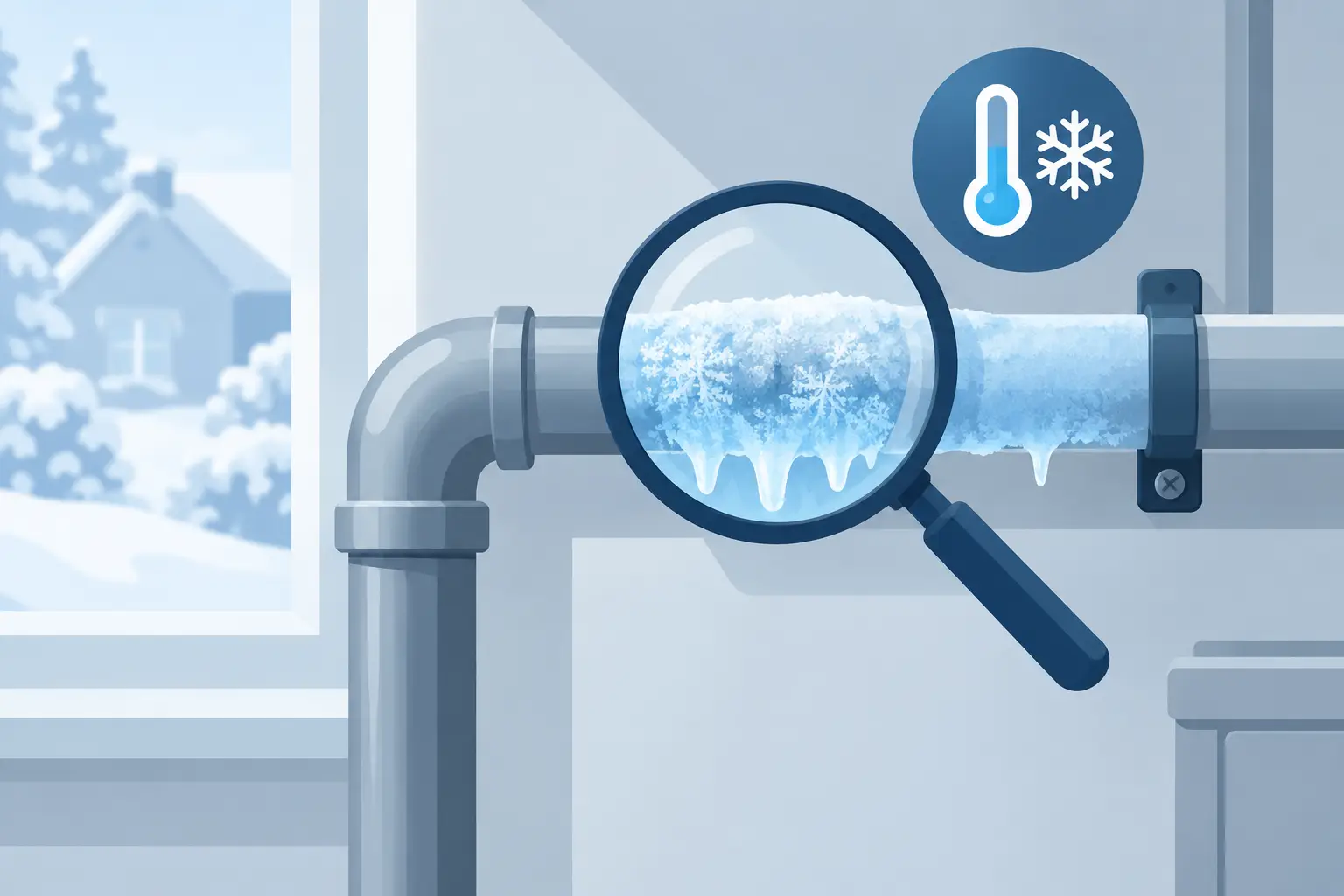
A pipe can go from a small drip to a damaged ceiling, swollen flooring or a flooded cupboard far faster than most people expect. Knowing how to isolate a leaking pipe gives you time to protect the property and arrange the right repair, rather than trying to contain a growing problem with towels alone.
The immediate aim is simple: stop or reduce the water supply safely, contain what has already escaped, and avoid making a temporary repair that creates a bigger issue. The right isolation point depends on whether the leak is on a cold-water supply, hot-water pipe, appliance connection or central-heating system.
First, make the area safe
Before touching any valve, consider where the water is going. If it is near sockets, wiring, lights, a boiler or electrical appliances, do not stand in water or handle electrical equipment. Switch off the relevant circuit at the consumer unit only if you can reach it without risk. If water is coming through a ceiling, keep clear of the affected room and move valuables from below the leak where safe to do so.
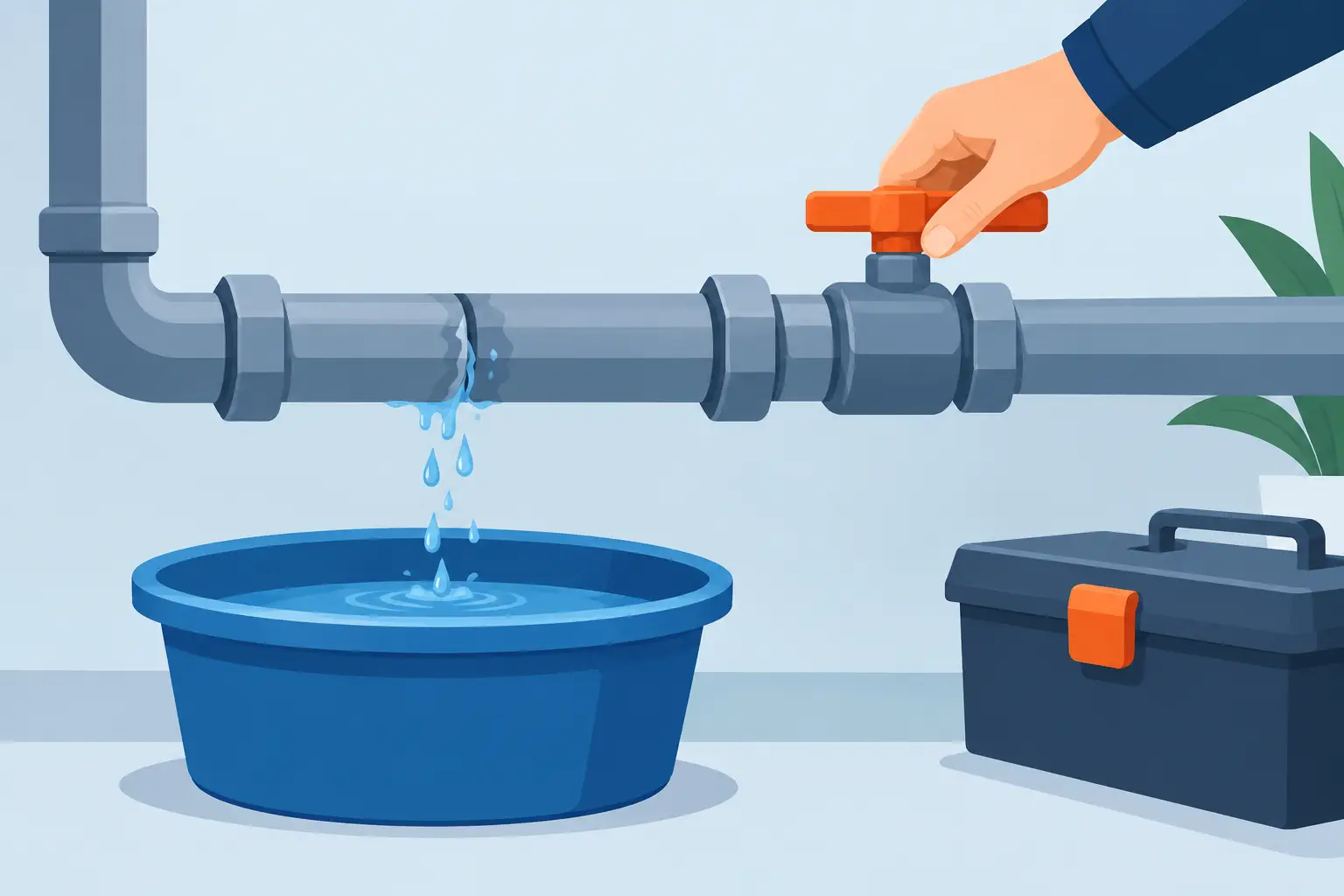
Put down buckets, towels or a waterproof container to catch the water. This is not a fix, but it limits damage while you identify the supply. If the leak is forceful, spraying, or you cannot safely reach a valve, turn off the main water supply and call a plumber.
Never attempt to isolate, repair or interfere with a gas pipe. If you smell gas, suspect a gas leak, or hear hissing near a gas appliance, leave the building if necessary and contact the gas emergency service. A water leak and a gas issue must be treated very differently.
How to isolate a leaking pipe at the main stop tap
For most leaks on domestic cold-water pipework, the main internal stop tap is the quickest reliable isolation point. It shuts off the incoming mains water supply to the property.
In many houses and flats, the stop tap is found under the kitchen sink, in a utility cupboard, beneath the stairs, beside the water meter or close to where the water service enters the building. It may be a traditional wheel-shaped valve or a lever valve. Landlords and property managers should make sure tenants know where it is before an emergency occurs.
Turn a wheel valve clockwise gradually until it stops. A lever valve is generally closed when the handle sits across the pipe rather than in line with it. Do not force a stiff or seized valve. Older stop taps can fail when disturbed, especially if they have not been operated for years. If it will not move with reasonable pressure, contain the leak and seek professional help rather than risking a broken valve.
Once the stop tap is closed, open the cold tap at the lowest practical point in the property, often the kitchen tap. Water may continue to run briefly as the remaining pressure leaves the pipework. When the flow stops, check the leak again. It should slow substantially or stop if it is fed by the mains cold-water supply.
Remember that a combi boiler normally relies on mains water for hot taps as well. Closing the stop tap will usually stop both hot and cold water at outlets after the system has depressurised.
If you live in a flat or shared building
The valve inside your property may isolate only your own supply, which is ideal. In some older buildings, however, water services and stop taps can be arranged differently. Do not turn off a communal supply unless there is a genuine emergency and you have no other safe option. Contact the factor, building manager, landlord or emergency plumber promptly, particularly where water is affecting another flat.
Use a local isolation valve where possible
If the leak is clearly connected to one appliance or fitting, a local isolation valve may let you keep water available elsewhere in the property. These small valves are often fitted beneath sinks, behind toilets, near washing machines, dishwashers and some basin taps.
They commonly have a flat screw slot. Use a suitable flat-head screwdriver to turn the slot a quarter turn, so it sits across the direction of the pipe. Some have a small lever instead. After closing the valve, run the relevant tap or appliance briefly to confirm the supply has stopped.
Local isolation is useful for a dripping toilet feed, a leaking washing-machine hose or a failed tap connection. It is less suitable if you cannot be certain which valve controls the leak, if the valve itself is corroded, or if the water is coming from pipework concealed in a wall, floor or ceiling. In those cases, isolate at the main stop tap instead.
Do not rely on an appliance control dial to stop a leak. A washing machine switched off at its controls, for example, can still have pressurised water in its supply hose. Close the appliance isolation valve and avoid using the machine until the fault has been repaired.
A leaking heating pipe needs a different response
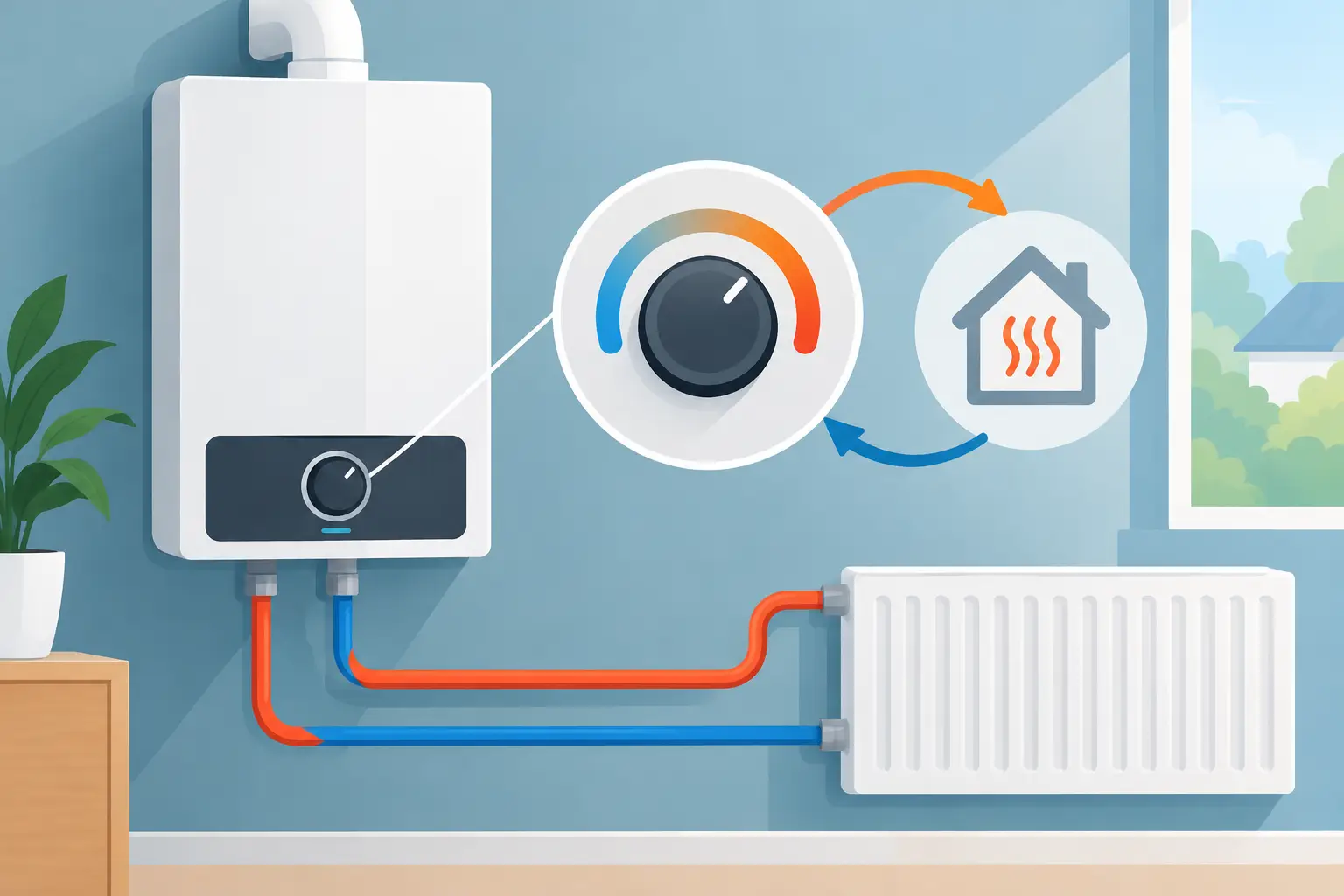
Water beneath a radiator, around a boiler, or from copper pipework serving the heating system may be from sealed central-heating pipework rather than the mains supply. Closing the main stop tap may not stop it immediately because the heating system holds its own water under pressure.
First, switch off the heating and do not run the boiler. Continued operation can circulate water, reduce system pressure further and potentially cause additional damage. Check the boiler pressure gauge if it is safe to do so. A falling pressure reading can support the likelihood of a heating-system leak, but it does not identify where the leak is.
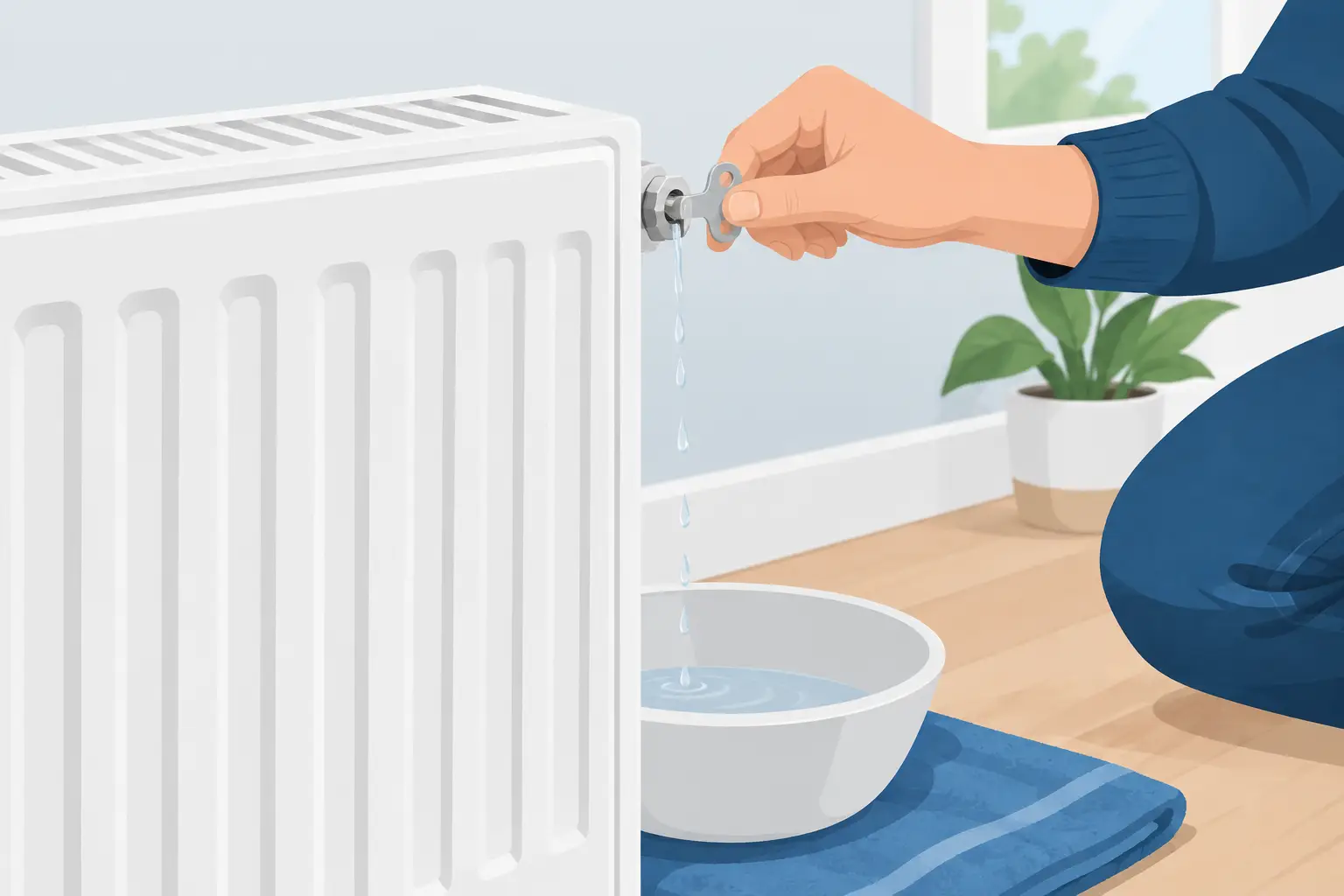
If water is escaping from a radiator valve, you may be able to close the valve by turning it clockwise. The valve at the other end of the radiator may also need to be closed. Take care: valves can be fragile, and tightening them too aggressively can damage the spindle or seals. If the leak is from the radiator body, a pipe joint, underfloor heating circuit or boiler, avoid dismantling anything.
Do not repeatedly top up a leaking heating system using the filling loop. This can introduce fresh water and oxygen into the system, increasing the risk of internal corrosion while masking the fault. A qualified engineer can identify whether the issue is a valve seal, failed joint, radiator fault, pressure-relief discharge or concealed pipe leak, then repair and repressurise the system correctly.
What to do after the water is isolated
Once the supply is off, dry visible surfaces as soon as possible. Remove wet items from cupboards, lift mats and keep doors open for ventilation where appropriate. Water can travel along pipes, joists and cables, so the point where it appears is not always the point where the leak began.
Take a few clear photographs before moving anything significant. They can help a plumber assess the issue before arrival and may be useful for a landlord, factor or insurer. Note when you first saw the leak, whether it happens only when a tap, shower, boiler or appliance is used, and whether the water is clean, discoloured or warm. These details narrow down the likely cause.
Avoid using tapes, sealants or repair clamps as a reason to turn the water back on. Some temporary measures can be useful in an emergency, but they do not correct corrosion, a split pipe, a failed compression joint or a damaged flexible hose. A slow drip can become a full failure once pressure returns.
When to call a plumber immediately
A competent plumber should be called without delay when the leak is hidden, water is affecting electrics, ceilings or neighbouring properties, or the stop tap will not close. The same applies if a pipe has burst, a fitting has pulled away, the source is near the boiler, or there is any uncertainty over whether the water is from the heating system.
For commercial premises, early action matters just as much. Isolate the affected section where trained site staff can do so safely, protect stock and electrical equipment, and report the incident through the building’s maintenance procedure. Do not reopen a supply simply because the visible leak has slowed.
At Chalmers Plumbing & Heating, the priority is to find the actual fault, not just stop the symptom. That may mean replacing a failed valve or hose, repairing pipework, checking associated fittings and making sure the system is returned to service safely.
A working stop tap and accessible isolation valves are small details until the day they are needed. If yours is seized, hidden behind fitted units or poorly labelled, arranging an inspection now is far easier than trying to find it with water running across the floor.