Low Carbon Heating Options for Scottish Homes
By Chalmers Plumbing & Heating
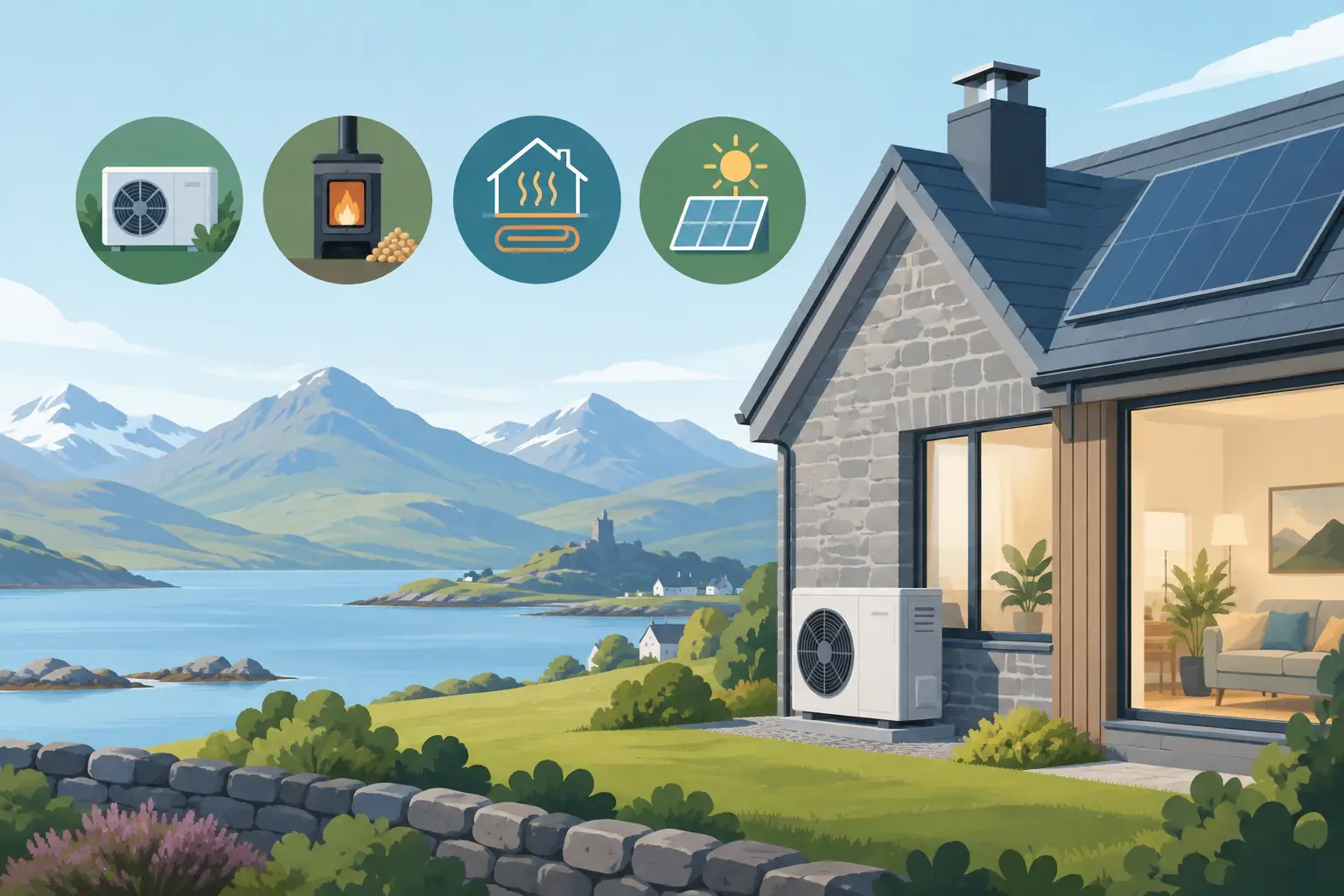
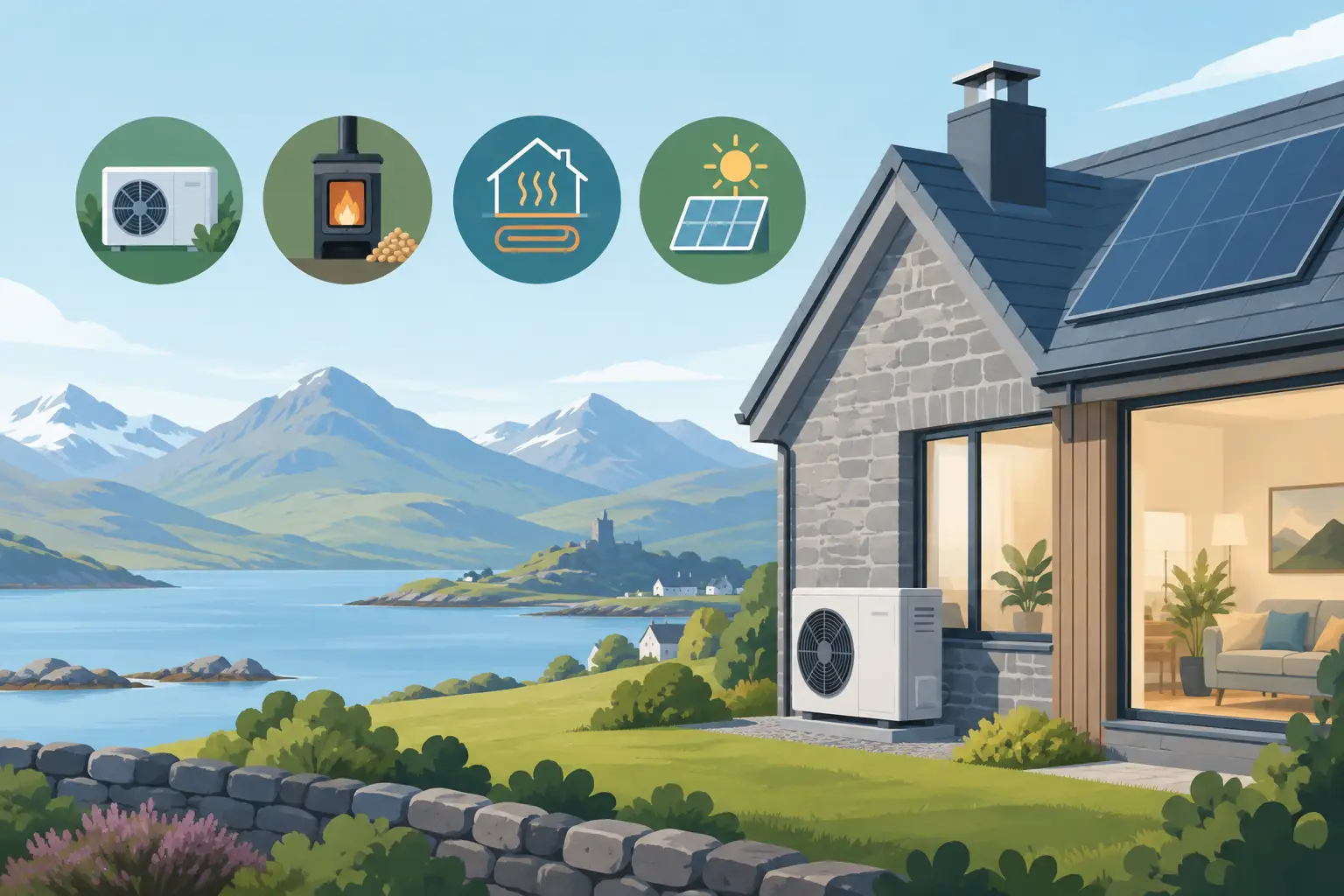
A heating upgrade is not simply a choice between an old boiler and a new appliance. For Glasgow homes and commercial properties, low carbon heating has to provide dependable warmth through a cold, wet winter, deliver enough hot water, and suit the building already standing. The right answer depends on heat loss, insulation, radiator capacity, available space and how the property is used.
That is why a proper survey matters. A system that looks efficient on paper can disappoint if it is poorly sized, fitted without suitable controls or left incorrectly commissioned. The aim is lower energy use and lower emissions without sacrificing comfort.
What counts as low carbon heating?
Low carbon heating describes systems that reduce the carbon emissions associated with heating a building and producing hot water. Electricity is increasingly generated from lower-carbon sources, so electrically powered heat pumps are central to many upgrade plans. Better insulation, improved controls and reduced heat loss are equally important, because they allow any heat source to work less hard.
For some properties, a full heat-pump installation is the sensible long-term route. For others, improving the existing central-heating system, fitting smart controls or considering a hybrid arrangement may be more practical. There is no responsible one-size-fits-all recommendation.
A gas boiler is not generally described as low carbon, but a modern, correctly sized condensing boiler can still be a significant improvement on an inefficient older model. It may also be the realistic option where a building is difficult to adapt immediately. The key is to be clear about what the upgrade achieves now and what further work could make sense later.
Heat pumps: efficient heating at lower flow temperatures
Air source heat pumps take heat from outside air and transfer it into the home’s heating and hot-water system. Even on a cold Scottish day, there is usable heat in the air. Rather than generating heat by burning fuel, the unit uses electricity to move it, which is why it can deliver more heat energy than the electrical energy it consumes.
Heat pumps work best when a property can be heated steadily at lower water temperatures than a traditional gas boiler. This does not mean every room needs underfloor heating or that every radiator must be replaced. It does mean the existing system needs checking properly.
A heat-loss calculation looks at each room, considering factors such as insulation, glazing, external walls and desired temperatures. From there, an installer can establish whether radiators are large enough, whether some require upgrading, and whether pipework and system layout are suitable. Skipping this stage is how properties end up with slow warm-up times or rooms that never feel properly comfortable.
Hot water also needs planning. Many heat-pump systems use a cylinder, so space must be available and household demand needs to be understood. A family using several showers across a busy morning has different requirements from a couple in a small flat.
Outdoor-unit position is another practical consideration. There must be adequate airflow, sensible pipe routes, a secure base and an installation designed with neighbours and day-to-day noise in mind. Good work is as much about the details around the unit as the unit itself.
When a heat pump is a good fit
A heat pump is often well suited to homes that are reasonably insulated, have space for a hot-water cylinder and are due a wider heating-system upgrade. It can be particularly effective during renovations, extensions and new builds, where radiator sizes, pipework, insulation and controls can be planned together.
Older properties can also benefit, but they may require more preparation. Draught-proofing, loft insulation, radiator improvements or changes to controls can make a major difference. The fact that a home is traditional or solid-walled does not rule out a heat pump. It simply makes a careful assessment more valuable.
Low carbon heating starts with reducing heat loss
The cheapest heat is the heat a building does not lose. Before choosing equipment, look at the basics: loft insulation, draughts around doors and windows, poorly insulated pipework, ventilation gaps and rooms that are harder to heat than the rest of the property.
This is not an argument for making a building stuffy. Homes need appropriate ventilation to manage moisture and maintain indoor air quality. It is about controlling unwanted heat loss while ensuring ventilation is deliberate and suitable for the building.
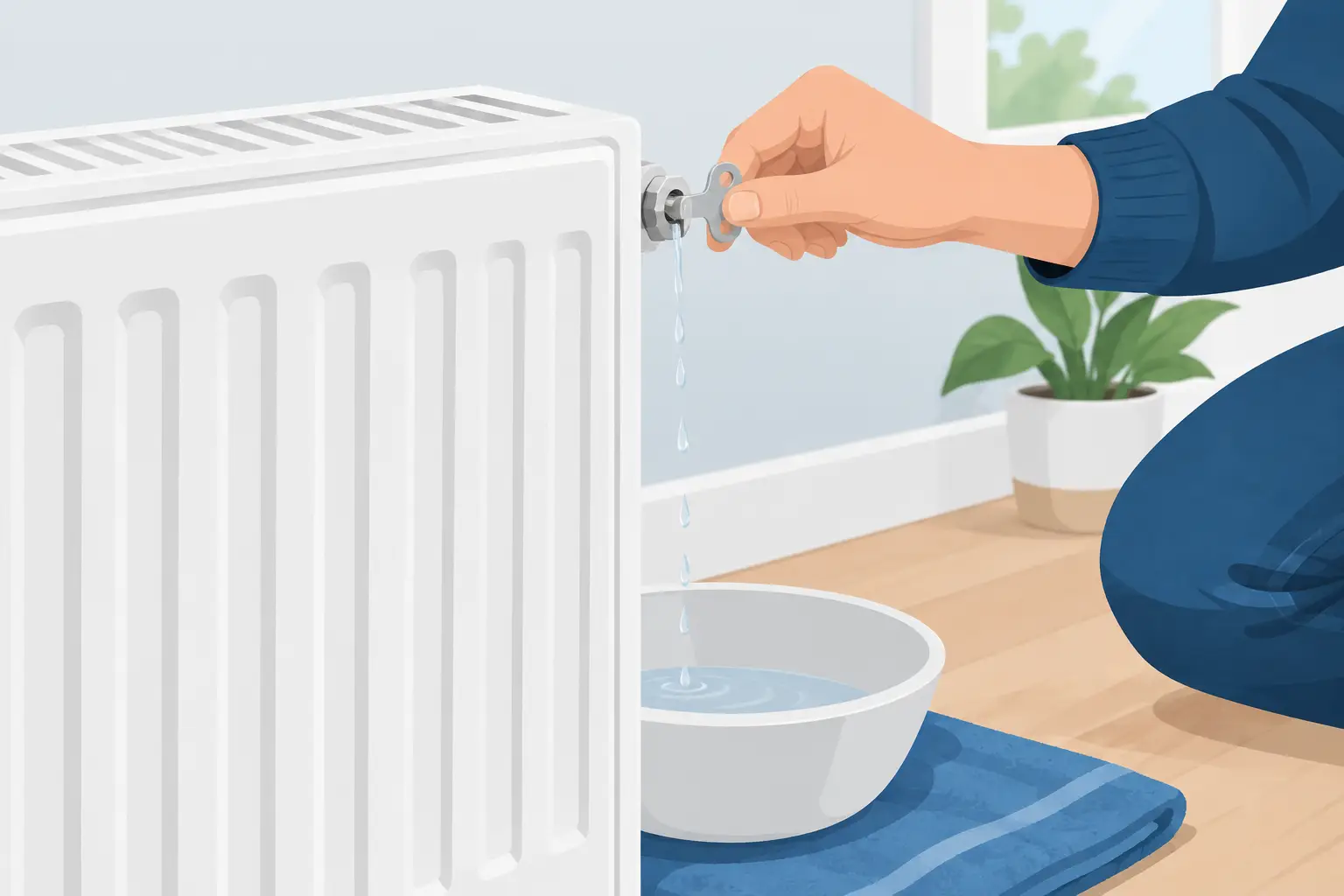
Hydronic balancing is often overlooked. If upstairs radiators take most of the heat while a lounge stays cool, turning up the thermostat is not a real solution. Balancing, clean system water and correctly set radiator valves help heat reach the rooms that need it. A powerflush may be appropriate where sludge or debris is affecting circulation, although it should be recommended based on the condition of the system rather than treated as an automatic add-on.
Radiators, underfloor heating and controls
Low-temperature heating needs enough surface area to release heat into each room. Larger radiators can provide this without making rooms excessively hot, while wet underfloor heating spreads gentle heat across a wide area. It is particularly popular in kitchens, extensions and ground-floor renovations where the floor is being opened anyway.
Electric underfloor heating can be useful in smaller spaces, such as a bathroom, but it is usually more expensive to run as a main heat source. It is best considered for comfort and targeted use, not assumed to be the lowest-cost answer for a whole property.
Controls are where much of the everyday benefit is won or lost. A well-designed system may include programmable heating schedules, room thermostats, zoning and thermostatic radiator valves. Smart controls can make adjustments easier when routines change, but they do not compensate for an incorrectly designed system.
The most useful control setup is one that occupants will actually use. A landlord may need straightforward, tamper-resistant controls for tenants. A busy household may value app access and separate zones. A small office may need timed heating that matches trading hours. The system should reflect the building and the people using it.
Do you need to replace a working gas boiler?
Not always. Replacing equipment before the end of its useful life is not automatically the best environmental or financial decision. If a boiler is reliable, safe and reasonably efficient, servicing it annually and improving controls or insulation may be the sensible immediate step.
However, recurring repairs, rising fuel use, uneven heating or a planned renovation can change the calculation. If a boiler is approaching replacement, that is the time to consider future options rather than making a rushed decision after a breakdown.
For some homes, a hybrid system can provide a transition. This combines a heat pump with a boiler, using each source when it is most suitable. It can help where heat demand is high during the coldest periods or where an all-electric conversion is not yet practical. It does add complexity, so the controls and commissioning must be right.
Installation quality matters as much as the technology
Low carbon systems are not fit-and-forget purchases. Their performance depends on accurate design, competent installation and a proper handover. A professional installation should include a heat-loss assessment, equipment sizing, checks on radiator and pipework suitability, safe electrical and plumbing work, system cleaning where required, commissioning and a clear explanation of controls.
For gas work, use a Gas Safe registered engineer. For any heat-pump or central-heating project, ask practical questions: how will the property be surveyed, what changes are likely to be needed, how will hot water be provided, and what documentation will be supplied when the work is complete?
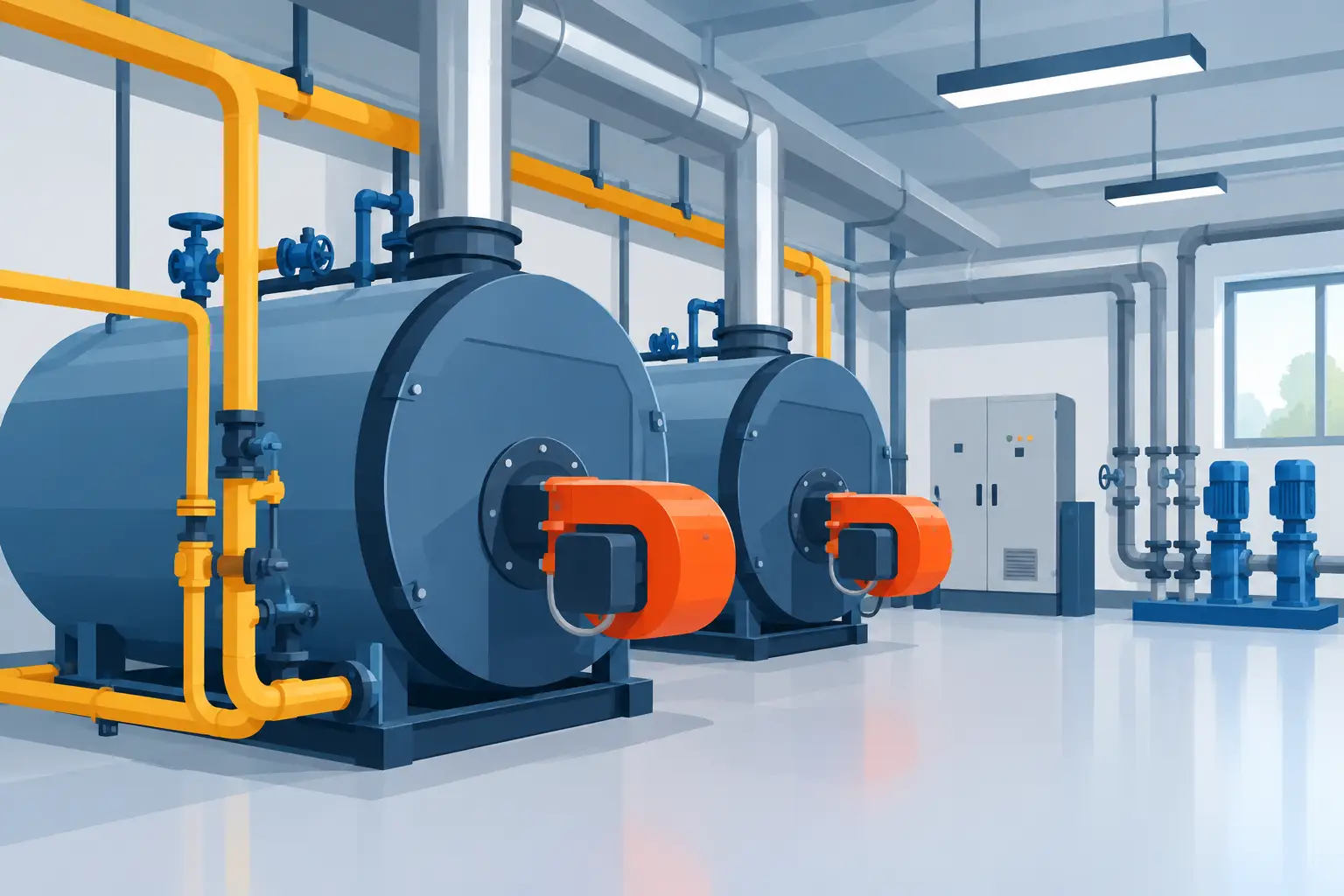
Commercial buildings need the same discipline, with additional attention to occupancy patterns, zoning, plant-room access, business continuity and maintenance arrangements. A solution that works in a three-bedroom house cannot simply be scaled up for a shop, office or development.
Planning a practical upgrade
Start by identifying the problem you want to solve. It may be an unreliable boiler, rooms that never warm up, high running costs, a renovation project or a wish to reduce emissions over time. That starting point helps determine whether the priority is repair, efficiency improvements, a new boiler, a heat pump or a staged plan.
A site visit should turn that concern into clear choices, including what work is essential, what is optional and what may be worth planning for later. At Chalmers Plumbing & Heating, that means looking beyond the appliance itself: assessing heat demand, explaining the options plainly and commissioning the chosen system correctly.
The best low carbon heating plan is the one that matches the property, budget and timescale while leaving the building warmer, easier to control and ready for the next sensible improvement.