How to Optimise Your Boiler Flow Temperature
By Chalmers Plumbing & Heating
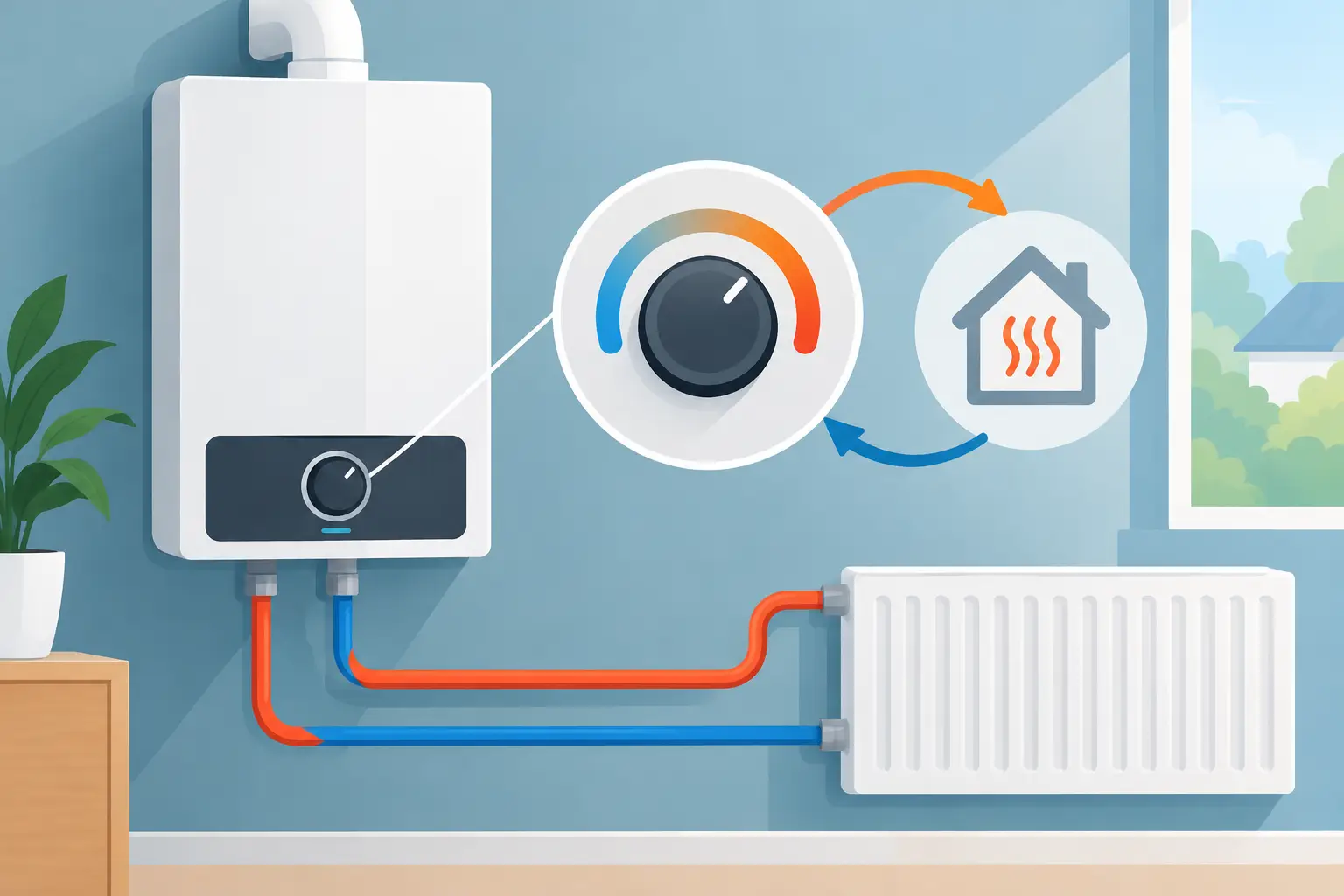
If your radiators feel hot but your gas bills are climbing, the answer is not always a new boiler. Learning how to optimise boiler flow temperature can make a meaningful difference to comfort and fuel use, particularly where a modern condensing boiler has been left running at its factory setting. It is a straightforward adjustment in principle, but the right temperature depends on your property, radiators, controls and how the system has been commissioned.
The aim is not to turn the temperature down as far as possible. It is to find the lowest flow temperature that still warms every occupied room properly on a cold Glasgow winter day. Done correctly, your boiler runs more efficiently, your rooms stay more even in temperature and the system is less likely to keep firing aggressively to catch up.
What boiler flow temperature actually means
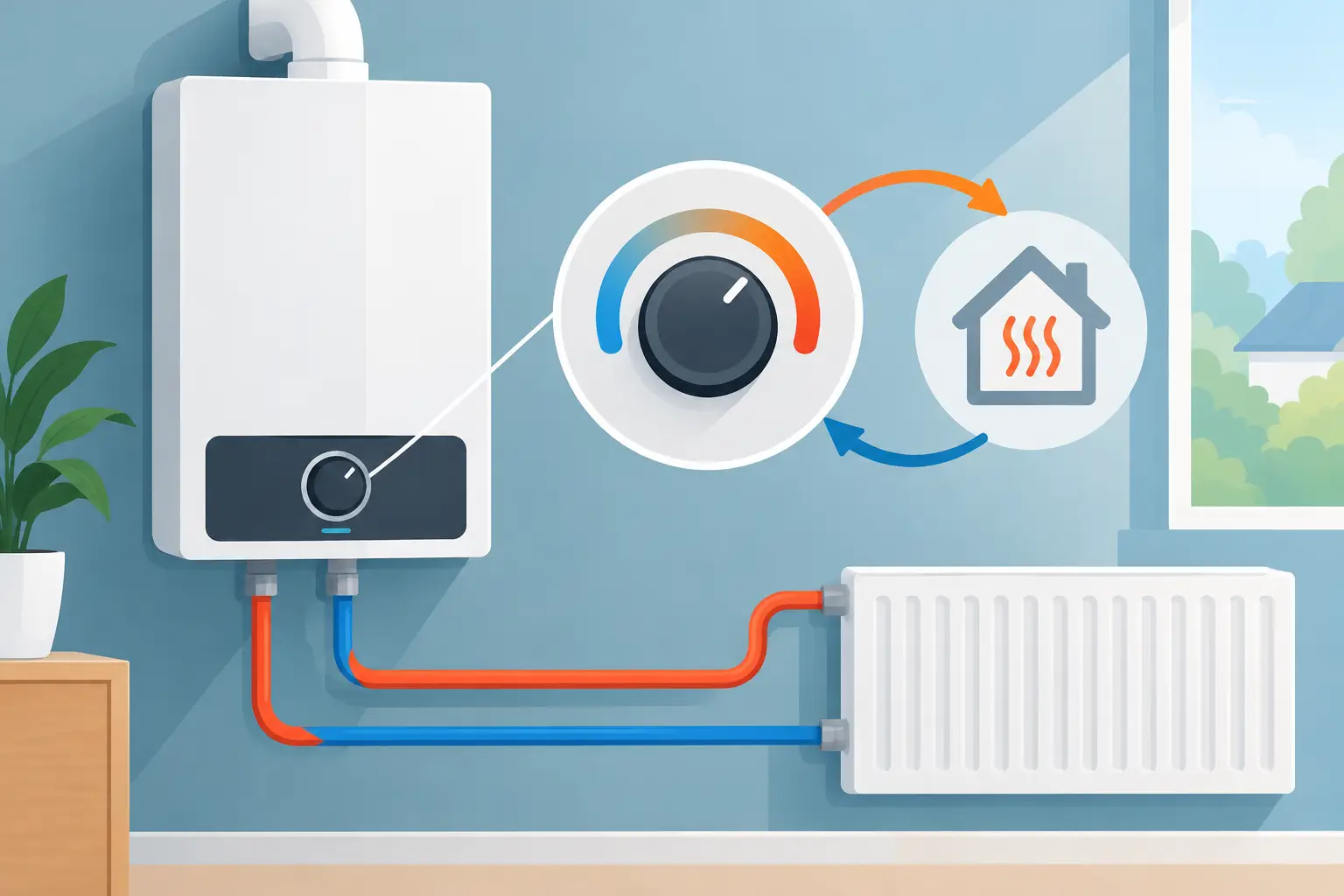
Boiler flow temperature is the temperature of the water leaving the boiler and travelling around your central-heating circuit. It is different from the temperature shown on your room thermostat, and it is also separate from your domestic hot-water setting.
A higher flow temperature sends hotter water to the radiators, so rooms warm up quickly. That can be useful in a poorly insulated property, a large open-plan space or during a very cold spell. However, it can also prevent a condensing gas boiler from operating at its most efficient.
A condensing boiler saves energy by recovering heat from its flue gases. To do that effectively, the water returning to the boiler needs to be cool enough for condensation to occur. Lowering the flow temperature usually lowers the return temperature too, helping the boiler spend more time in condensing mode.
Why a lower setting can reduce gas use
Many boilers are installed or reset to flow temperatures of 70°C or more. That setting will heat most radiator systems, but it is not always the most economical way to run a modern boiler. In homes with adequately sized radiators and sensible controls, a flow temperature around 50°C to 60°C can often provide good comfort while improving efficiency.
There is a trade-off. At 50°C, radiators give out less heat than they do at 70°C. If a room already struggles to reach temperature, reducing the boiler setting alone may make that problem more obvious. The cause could be undersized radiators, poor insulation, an unbalanced system, sludge restricting circulation or a thermostat positioned in the wrong place.
That is why simply copying a setting from a neighbour or a social-media post is unreliable. Two similar houses can have very different heat loss. A draughty Victorian property in Glasgow with small radiators needs a different approach from a well-insulated new-build with oversized radiators and smart zoning.
How to optimise boiler flow temperature safely
Start by checking your boiler manual or control panel. Most modern combi and system boilers have separate symbols or menu options for central heating and hot water. The central-heating setting is commonly marked with a radiator icon. Do not reduce the hot-water setting by mistake.
If your heating flow temperature is currently 70°C or above, reduce it in small steps, perhaps by 5°C at a time. A sensible initial trial for many radiator systems is 60°C. Leave the setting in place for several days rather than judging it after one mild afternoon.
Pay attention to how the property performs in the morning, during the evening and when outdoor temperatures fall. Your thermostat should still reach its target temperature without the boiler running constantly. Check the coolest rooms as well as the living room, because a thermostat in a warm location can give a misleading impression of overall comfort.
If all rooms heat well, try reducing the setting another 5°C. If one or more rooms become slow to warm, or never reach the temperature set on the thermostat, return to the previous setting. The best setting is the lowest one that delivers dependable heat throughout the property.
For many homes, 55°C to 60°C is a practical starting range. Some well-designed systems can operate lower, particularly with larger radiators or underfloor heating. Other systems may need 65°C or more until improvements are made. There is no benefit in forcing a low temperature if it leaves bedrooms cold or causes the boiler to run for long periods without achieving comfort.
Keep hot water settings separate
On a combi boiler, the domestic hot-water temperature controls the water at your taps and shower. It is independent of the radiator flow setting. On a system or regular boiler with a hot-water cylinder, cylinder temperature and stored-water safety requirements need to be considered separately.
Do not alter safety-related settings without advice. A competent heating engineer can check that your controls, cylinder thermostat and boiler are set up correctly for the type of system you have.
The controls that make lower temperatures work
A lower flow temperature is most effective when the boiler has good information about what the property needs. A basic room thermostat turns the heating on and off, but modern controls can regulate output more gradually.
Load compensation and weather compensation are particularly useful. Load compensation allows the boiler to reduce its output as the room approaches the set temperature. Weather compensation uses an outside sensor to vary the flow temperature according to the weather. On a mild day, the system may only need warm water. When the temperature drops outside, the boiler raises the flow temperature automatically.
Smart thermostats can also help, provided they are specified and configured properly. Their value is not just remote control from a phone. Good scheduling, room zoning and modulation can reduce wasted heating while maintaining a steady indoor temperature.
Setting a thermostat very high to heat the house faster does not usually work as people expect. It simply tells the boiler to keep heating until that high target is reached. A realistic room setting, typically around 18°C to 21°C depending on the household and room use, gives the system a clearer job to do.
Balance and maintenance matter as much as the dial
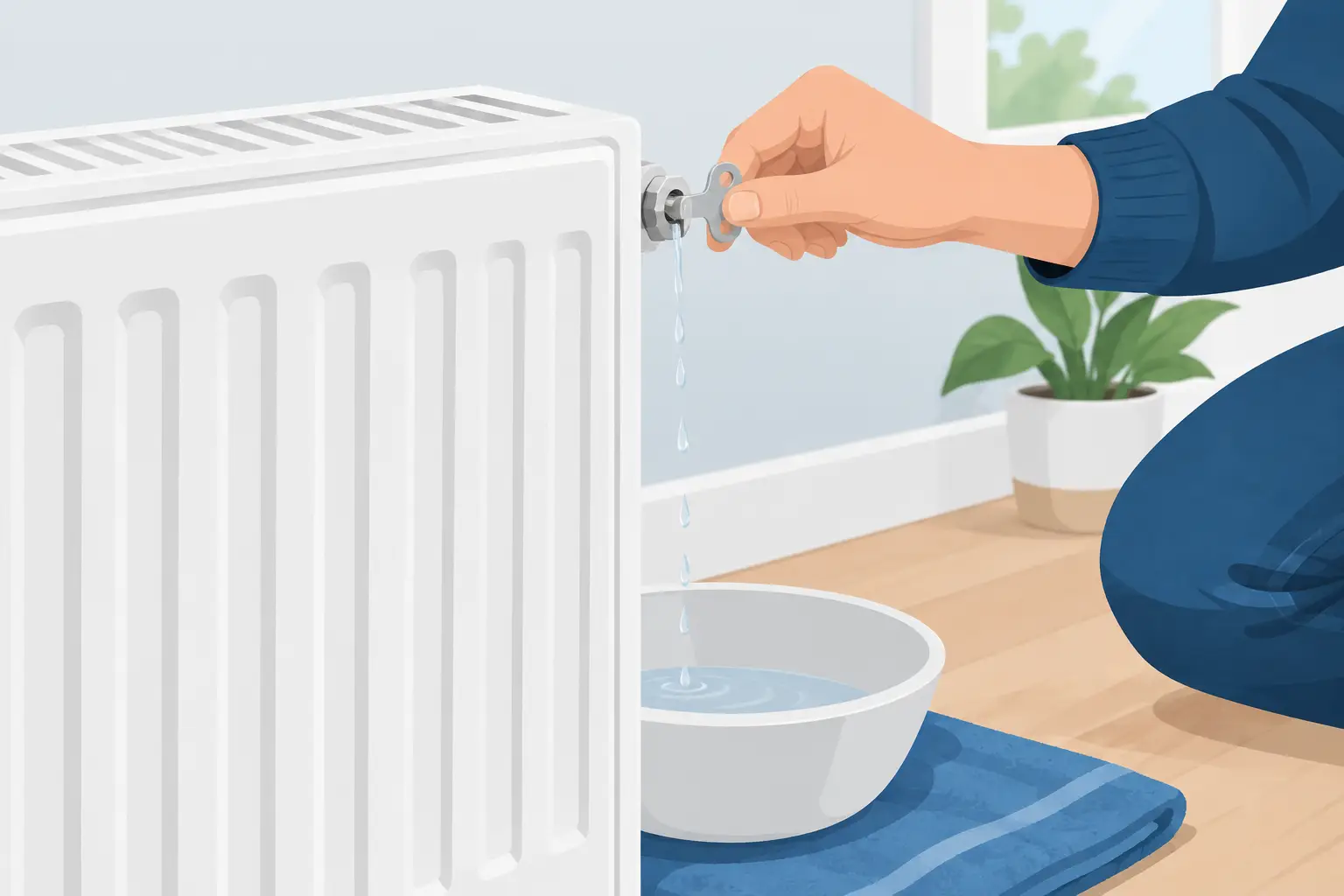
If some radiators are roasting while others stay lukewarm, changing the boiler flow temperature will not fix the underlying issue. The system may need balancing. This involves adjusting radiator valves so the heat is distributed evenly around the circuit, rather than allowing the nearest radiators to take most of it.
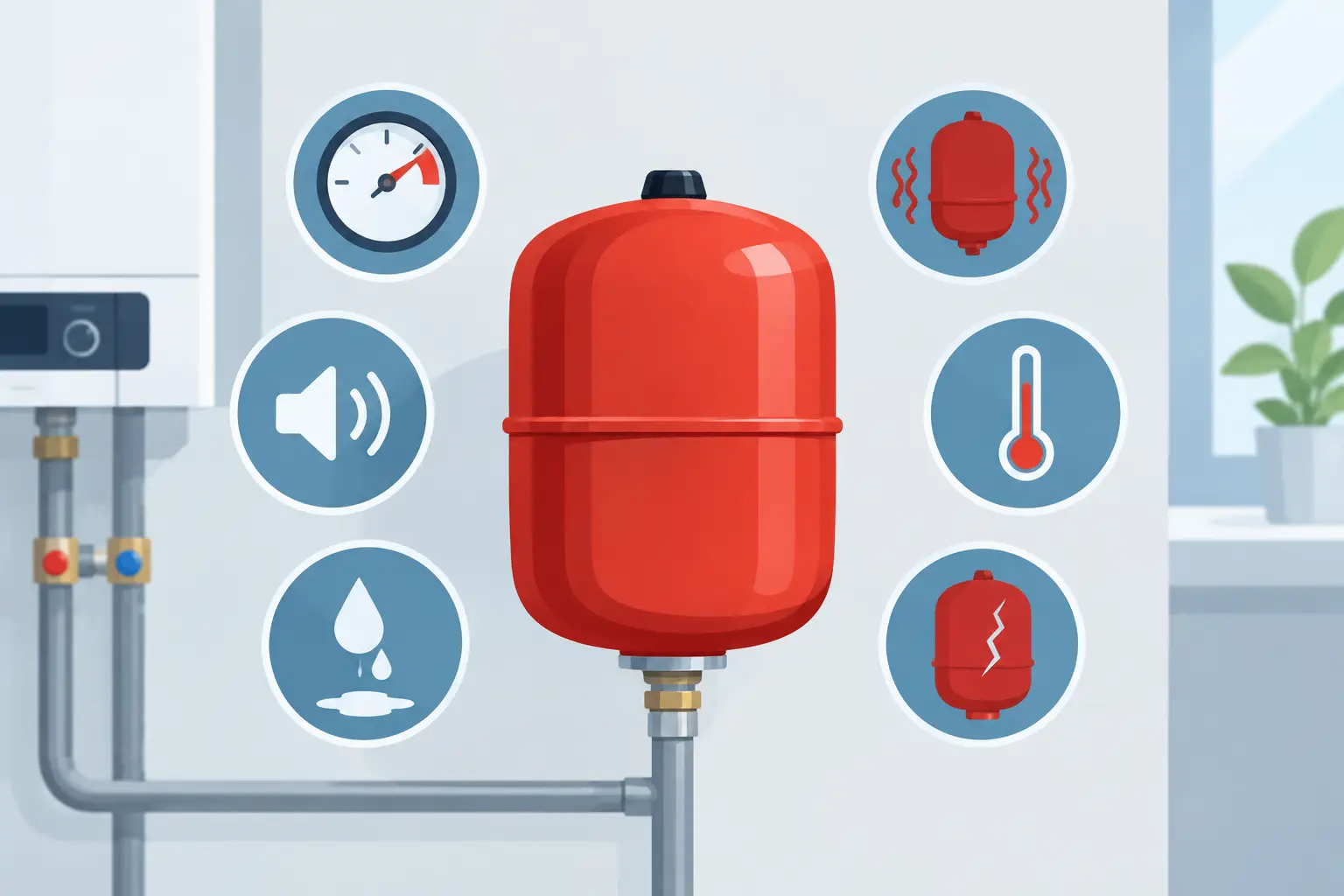
Poor circulation can have similar symptoms. Cold patches on radiators, discoloured heating water, noisy pipes or frequent boiler cycling can point to sludge, air or a circulation issue. A professional assessment may identify whether powerflushing, magnetic filtration, pump checks or replacement radiator valves are appropriate.
Annual boiler servicing also has a role. An engineer can check combustion, inspect components, confirm safe operation and identify faults that affect efficiency. On a newly installed boiler, correct commissioning is especially important. Boiler size, radiator output, controls and flow temperature should work together rather than being treated as separate decisions.
When not to turn the flow temperature down
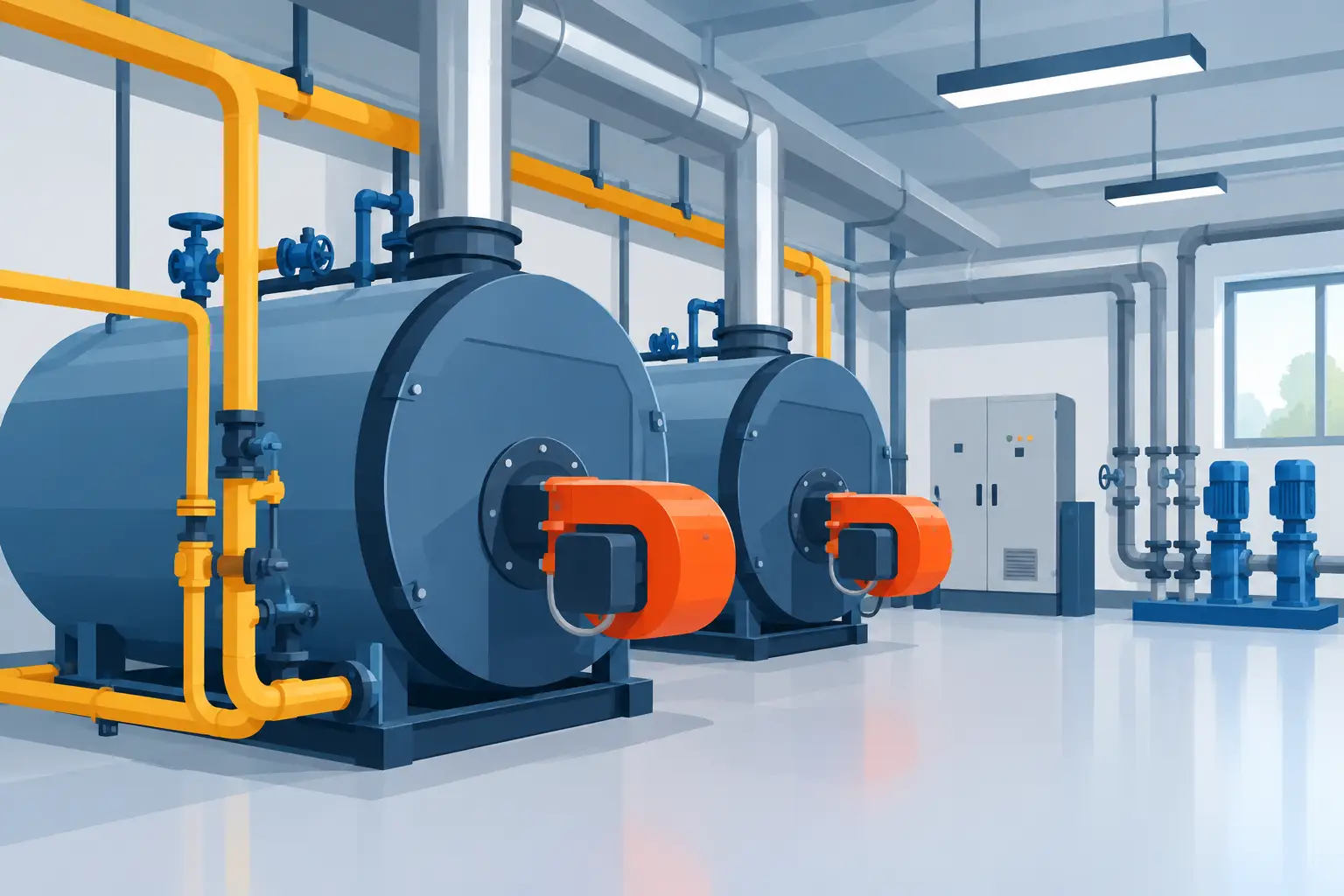
There are circumstances where a higher temperature is reasonable. A property with significant heat loss may need it while insulation, draughtproofing or radiator upgrades are planned. A commercial space with high ceilings, intermittent use or frequent door opening may have different heating demands from a family home.
Older, small radiators are another common limitation. You can often run lower temperatures after fitting larger radiators, adding extra emitters or improving insulation, but the existing system may not have enough output at 50°C. Underfloor heating is different again, as it normally operates at much lower water temperatures through a properly designed mixing and control arrangement.
Never remove boiler casing panels or attempt to adjust gas components. The user-facing heating control is one thing; boiler repairs, combustion checks and commissioning should always be carried out by a Gas Safe registered engineer.
Get the setting right for your property
Optimising flow temperature is one of the more practical ways to improve an existing heating system without compromising comfort. The best result comes from testing the setting methodically, then dealing with the reasons a room may still feel cold rather than simply turning the boiler back up.
If you are unsure whether your radiators, controls or boiler are holding the system back, Chalmers Plumbing & Heating can assess the full installation and explain the sensible options in plain language. A correctly balanced, commissioned system should keep your property comfortable without heating water hotter than it needs to be.