Vaillant Boiler Installation: What It Should Include
By Chalmers Plumbing & Heating
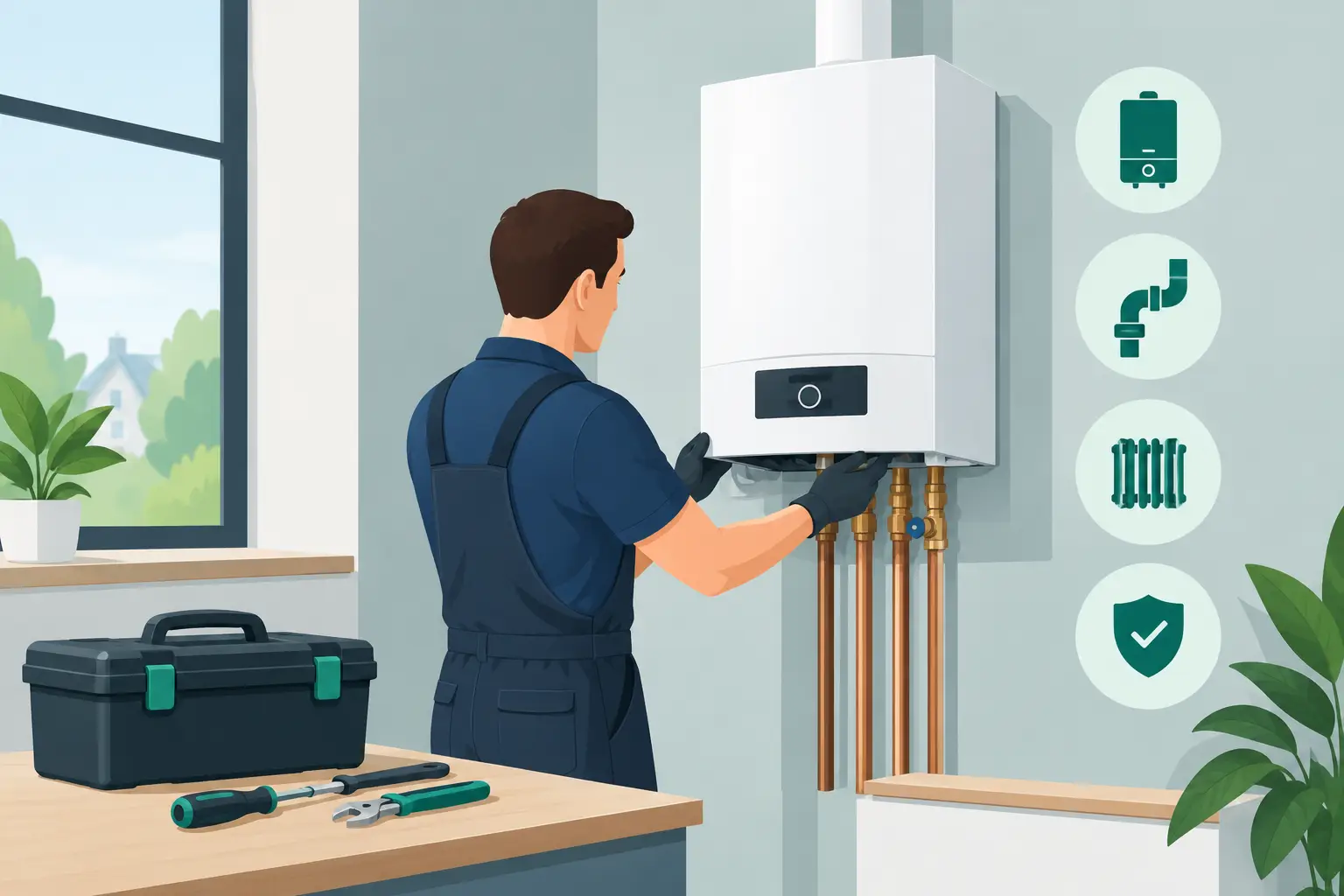
A new boiler is often chosen when the old one has become unreliable, noisy or expensive to repair. But a Vaillant boiler installation is not simply a case of taking one appliance off the wall and fitting another. The result depends on whether the boiler is correctly matched to the property, the existing heating system is prepared properly, and every safety and commissioning check is completed before the engineer leaves.
For homeowners, landlords and property managers, those details affect more than comfort. They influence running costs, warranty cover, future reliability and confidence that the gas work has been carried out correctly.
Start with the property, not the boiler model
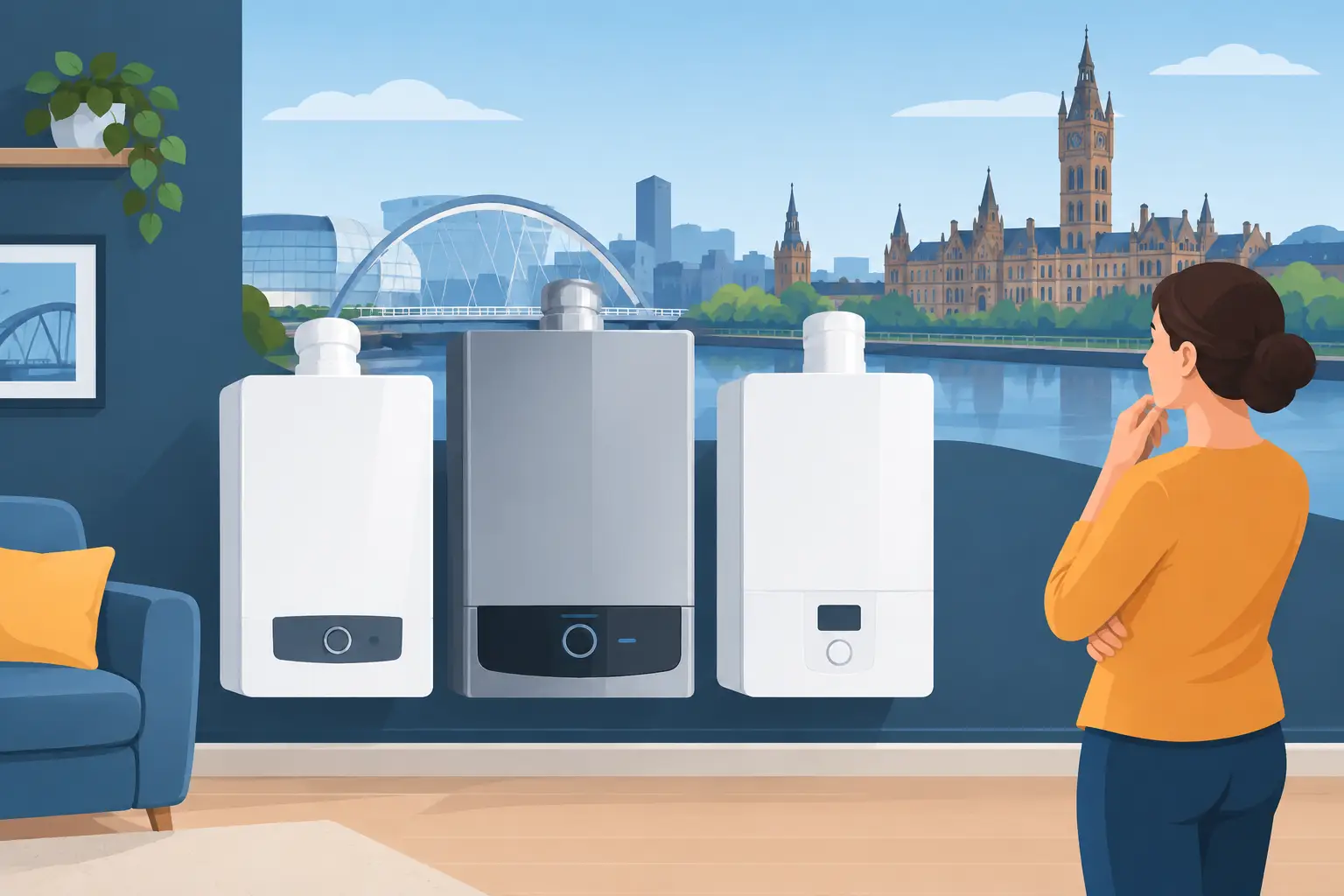
Vaillant makes boilers for different types of homes and heating systems. A compact combi boiler may suit a flat or smaller house with one bathroom, providing heating and hot water from one unit without a separate hot-water cylinder. A system boiler can be the better fit for a larger property with a cylinder and several bathrooms, particularly where more than one shower may run at the same time. Traditional regular boilers remain appropriate in some older properties with open-vented systems.
There is no single answer based on the number of bedrooms alone. A proper recommendation considers the number of bathrooms, likely hot-water demand, radiator output, insulation, pipework layout and the condition of the existing system. For example, fitting an oversized boiler will not automatically make a home warmer. It may cost more than necessary and can operate less efficiently if the rest of the system cannot use its output well.
A survey should therefore include a heat-loss assessment or a clear review of the property’s heat requirement. It should also establish whether radiator upgrades, altered pipework or improved controls are needed. This is especially relevant during renovations, extensions and loft conversions, where the heating load may have changed significantly.
What a professional Vaillant boiler installation involves
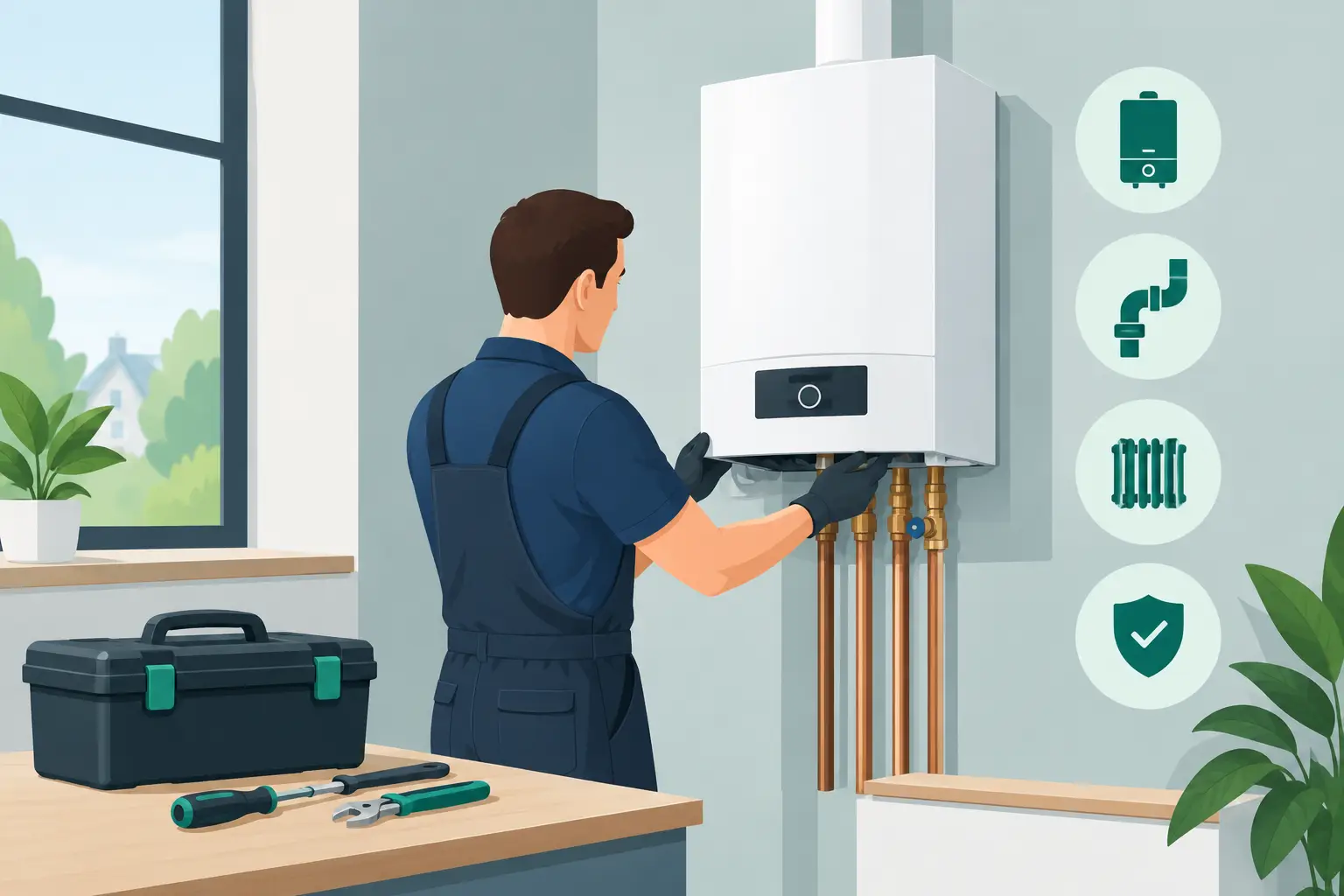
The visible boiler is only one part of the job. Before installation starts, a Gas Safe registered engineer should assess the gas supply, flue route, condensate disposal, ventilation where relevant, electrical provision and the condition of the central-heating system.
The proposed location matters. The boiler must be accessible for servicing, comply with clearance requirements and allow the flue to be installed safely. An external flue position also needs careful consideration so that plume, terminal distances and nearby openings are dealt with correctly. Moving a boiler from a kitchen to a utility room, loft or cupboard can be worthwhile, but it usually adds work for pipework, electrics, flueing and condensate drainage.
The existing water in the heating system should not be overlooked. Sludge and debris can restrict circulation, damage components and shorten the life of a new appliance. Depending on the system’s condition, the right preparation may involve powerflushing, cleaning individual sections of pipework, fitting a magnetic filter and adding inhibitor. A powerflush is not automatically required on every replacement, but a responsible engineer will explain the condition found and why a particular approach is recommended.
Once the boiler is fitted, the system needs to be filled, vented, tested and balanced. Radiators should heat evenly, pressure should remain stable and controls should call for heating and hot water as intended. Gas tightness testing, combustion analysis and flue checks are essential safety steps, not optional extras.
Commissioning is where the detail counts
Commissioning proves that the installation works safely and efficiently in the property, rather than merely switching on. The engineer should set the boiler up in line with the manufacturer’s instructions, configure suitable temperatures and check the controls.
Modern condensing boilers perform best when they can run at lower flow temperatures for longer periods, provided the radiators are capable of delivering enough heat. This can improve efficiency, but it is not a setting to change blindly. A well-insulated home with adequately sized radiators may be able to run at a lower temperature than an older property with small radiators and higher heat loss.
The handover should be clear and practical. You should know how to use the programmer or smart thermostat, how to check boiler pressure, where the condensate pipe runs, and what to do if a fault code appears. You should also receive the relevant paperwork, including the completed benchmark record, warranty registration information and notification of the installation where required under building regulations.
Controls and system upgrades worth considering
A new boiler is a good opportunity to address the parts of a heating system that make daily use easier. Time and temperature controls prevent the boiler from running when no one needs heat, while room thermostats help maintain a consistent indoor temperature. Smart controls can be useful for households with changing routines, allowing heating to be adjusted from a phone and giving clearer visibility of energy use.
Zoning is worth discussing in larger homes, properties with separate floors, or commercial spaces with different occupancy patterns. Rather than heating every area to the same level, separate zones can let occupants control sections independently. The added cost and complexity need to be justified by the layout and usage, but it can make a genuine difference in the right building.
For a system boiler with a cylinder, attention should also turn to cylinder insulation, thermostat settings and hot-water schedules. A boiler upgrade alone cannot compensate for an inefficient cylinder or poorly controlled system.
Choosing an installer: questions that give useful answers
Price matters, but a quote should let you see what is included. A low figure may exclude system cleaning, a filter, controls, flue alterations, electrical work, waste removal or registration. Comparing like for like avoids a surprise once the work has begun.
Ask whether the engineer will assess heat demand and existing radiators, rather than simply replace the boiler with the same output. Confirm who will carry out the gas work and that they are Gas Safe registered. It is also sensible to ask how long the work is expected to take, whether heating and hot water will be unavailable overnight, and what protection will be used inside the home.
For landlords and managing agents, documentation is particularly important. Keep the installation records with the appliance details, warranty information and annual service history. Where a property is rented, annual gas safety obligations remain separate from servicing, although both should be planned properly.
At Chalmers Plumbing & Heating, the focus is on explaining those practical decisions before work begins, then completing the installation, commissioning and handover properly. Clear communication is particularly valuable when a boiler replacement needs to fit around a tenant, family routine, renovation programme or business opening hours.
Looking after a Vaillant boiler after fitting
A new boiler still needs annual servicing. Servicing allows an engineer to inspect components, check combustion and safety functions, clean where required and identify developing issues before they lead to a breakdown. It also supports manufacturer warranty conditions.
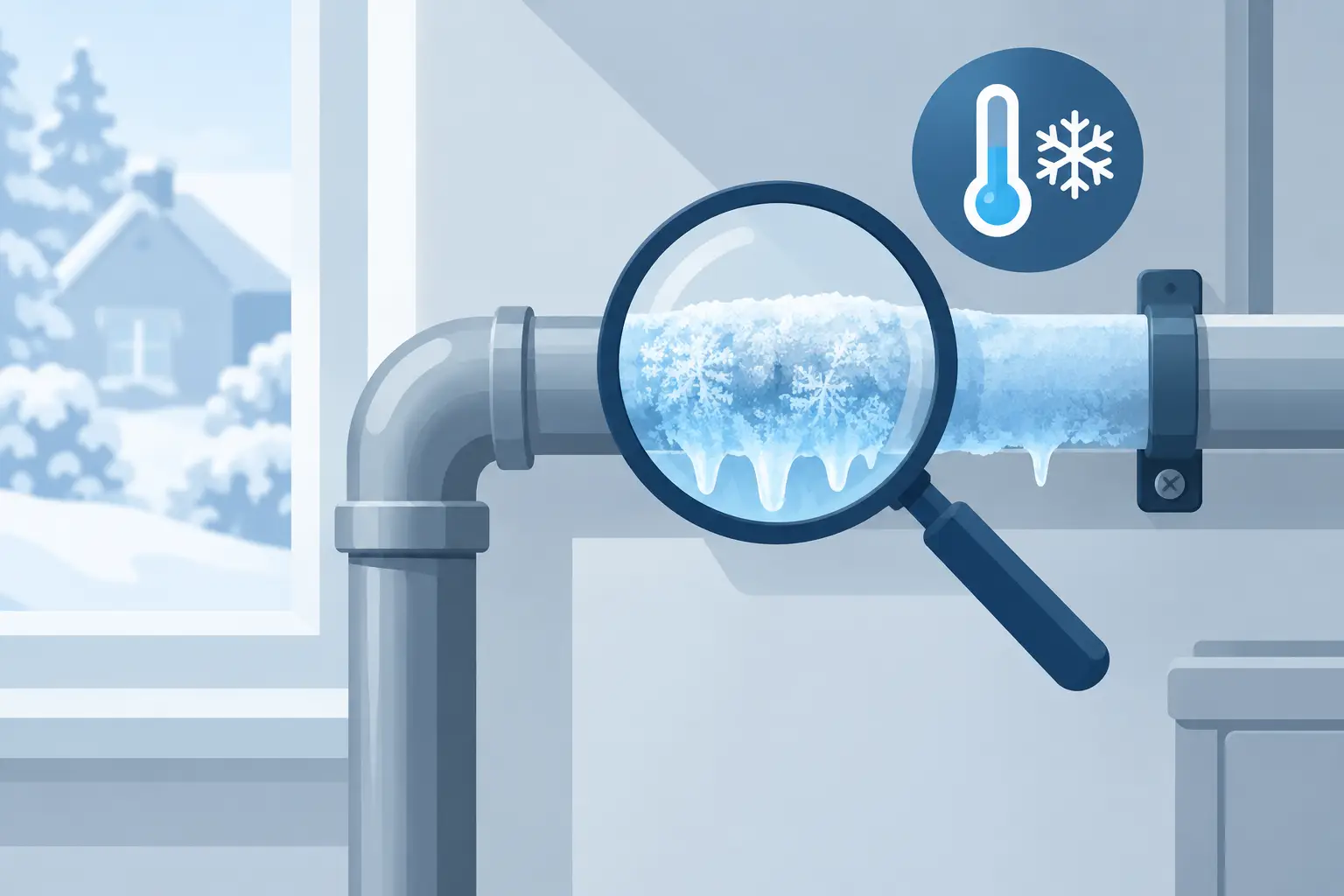
Between services, keep an eye on changes in performance. Repeated pressure loss, cold radiators, unusual noises, a frozen condensate pipe in cold weather or recurring fault codes all deserve attention. Avoid repeatedly repressurising a boiler without finding the cause, as this can mask a leak or system fault.
If the system has a magnetic filter, it should be cleaned as part of routine maintenance. Small preventative tasks such as this help protect the boiler’s heat exchanger and pump from circulating debris.
A well-planned installation gives you more than a new appliance. It gives you a heating system that suits the property, clear records for the future and someone who has taken responsibility for getting the details right from the start.