What Causes Boiler Kettling Noises at Home?
By Chalmers Plumbing & Heating
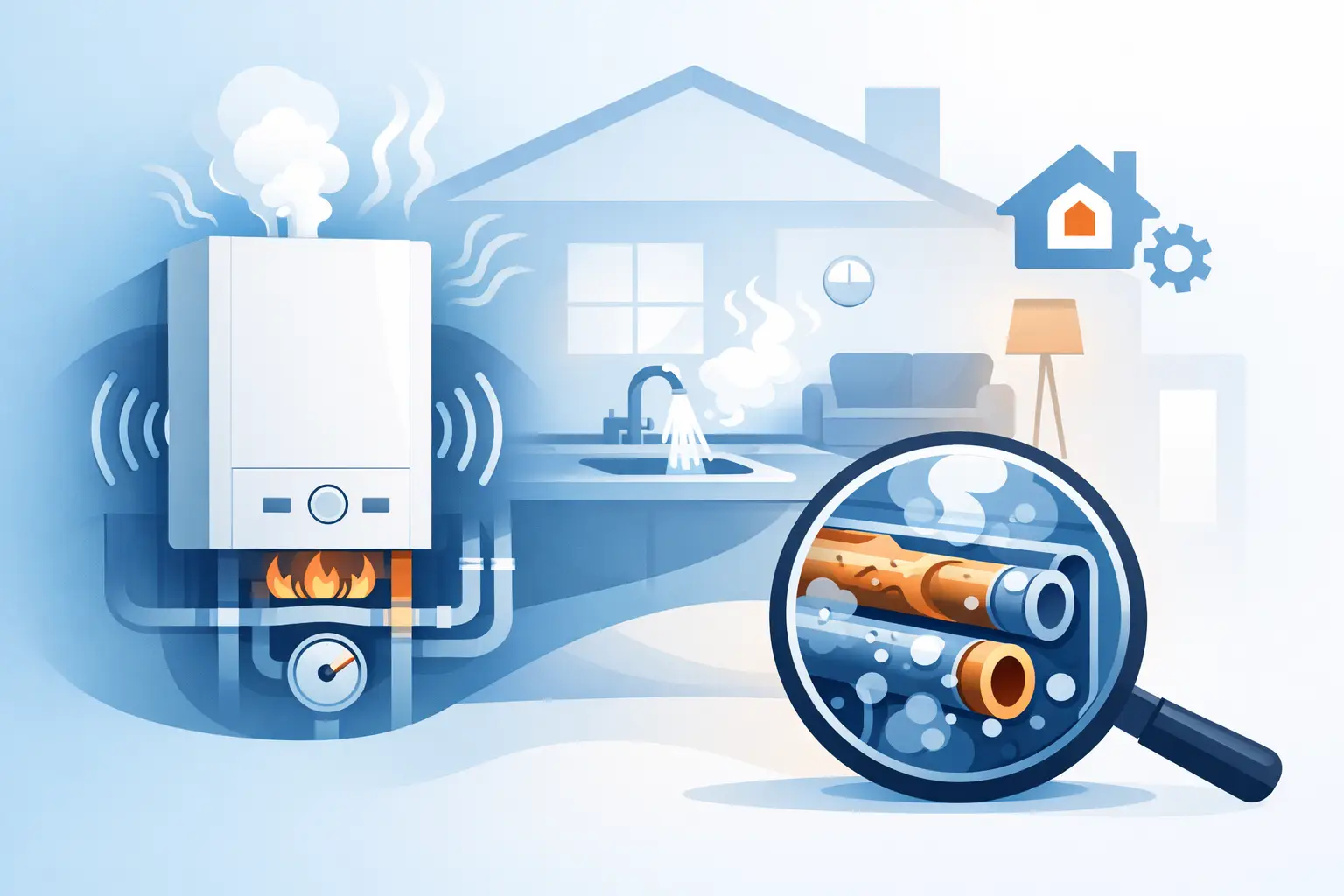
A boiler that suddenly sounds like a boiling kettle is difficult to ignore, particularly when you are relying on it for heating or hot water. If you are asking what causes boiler kettling noises, the usual answer is restricted water flow inside the boiler or heating system. Water is getting too hot in one small area, turning to steam and collapsing again before it can circulate properly.
Kettling is not a noise to put up with. It can reduce efficiency, put added strain on parts and, in some cases, lead to a boiler lockout. The right repair depends on what is restricting circulation, so a proper diagnosis matters more than simply trying to quieten the sound.
What does boiler kettling sound like?
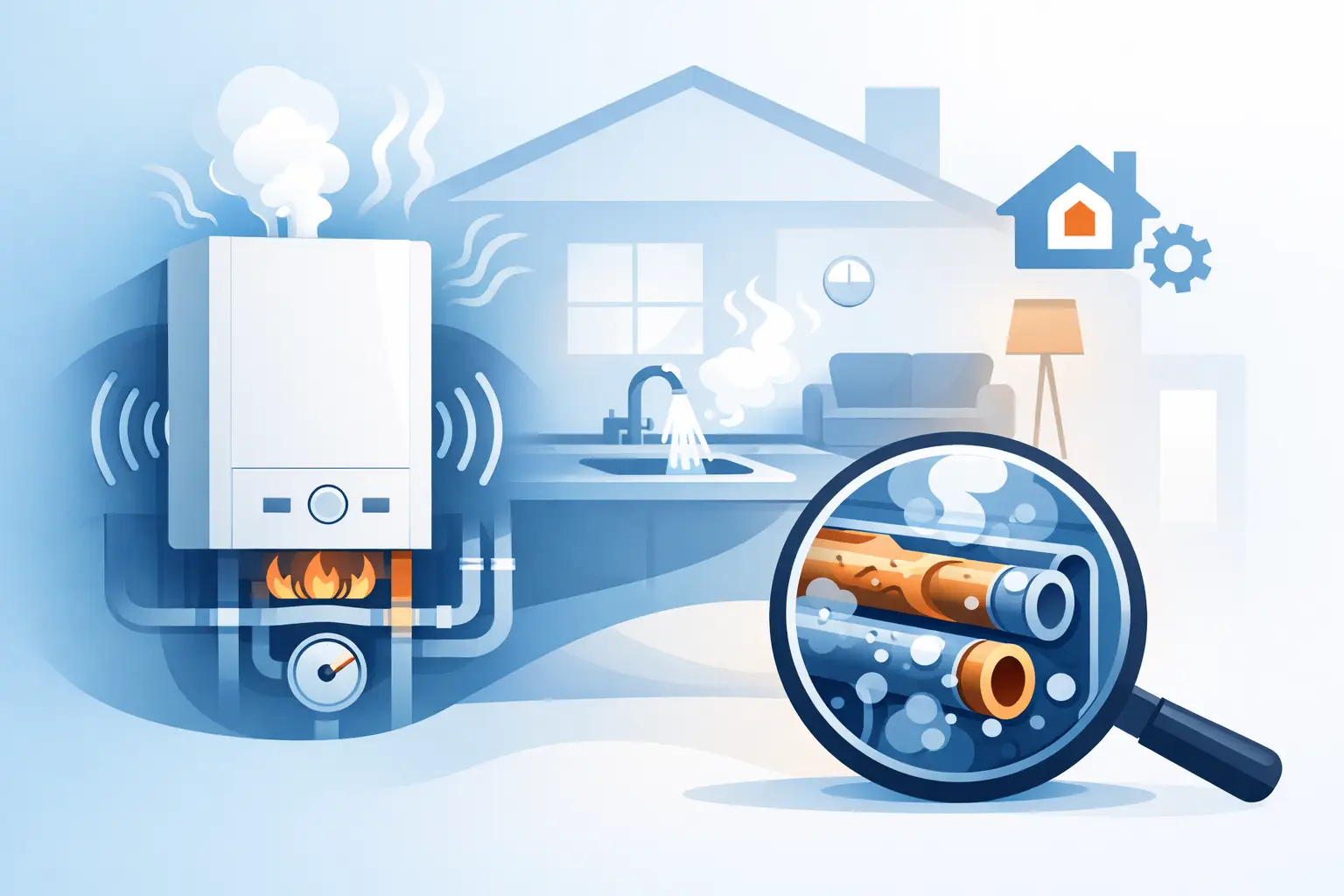
Most people describe kettling as a rumbling, bubbling, whistling or low-pitched banging sound. It may start shortly after the heating comes on, when the boiler is making hot water, or only when both are in demand. The boiler casing can feel hotter than normal and radiators may take longer to warm up.
The sound is caused by localised overheating. In a healthy system, water moves through the boiler’s heat exchanger at the correct rate and carries heat away efficiently. When flow is slowed or blocked, water trapped around the exchanger can briefly boil. The resulting steam bubbles create the familiar kettle-like noise.
Not every boiler noise is kettling. Clicking can be normal as components heat and cool, while a persistent gurgle may point to air in the system. A loud bang, leak, burning smell or error code needs prompt attention regardless of the exact noise.
What causes boiler kettling noises most often?
Limescale in the heat exchanger
Limescale is one of the best-known causes, especially where the water supply is hard. Minerals in the water settle on hot internal surfaces over time and form a layer that reduces heat transfer and narrows water passages. The boiler then has to work harder to heat the same volume of water, increasing the chance of local boiling.
Limescale is more commonly associated with the domestic hot-water side of a combi boiler than with the sealed central-heating circuit. However, the exact effect depends on the boiler design, local water conditions and servicing history. An engineer can establish whether scale is genuinely the issue before recommending treatment.
Sludge and debris in the heating system
In Glasgow homes, sludge is often a more likely cause of circulation problems than limescale within the central-heating circuit. Old steel radiators, pipework corrosion and previous installation debris can create a dark magnetic sludge. This collects in radiators, filters, pumps, valves and the narrow waterways of a boiler heat exchanger.
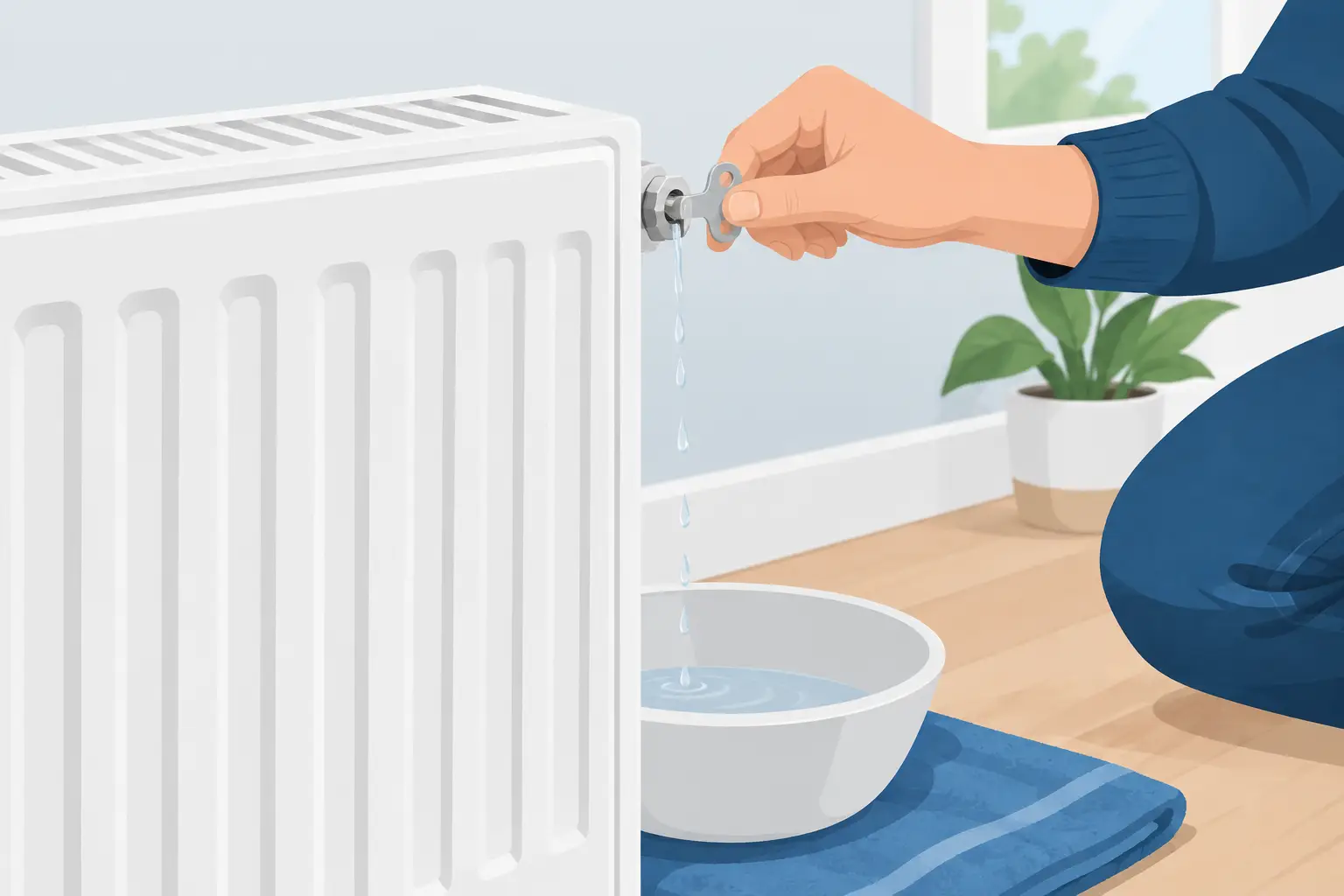
Early signs can include cold patches at the bottom of radiators, rooms that heat unevenly, dirty water released when bleeding a radiator, or a boiler that needs frequent resetting. As the restriction worsens, the boiler may overheat and kettle.
A magnetic filter can help capture circulating debris, but it cannot reverse a heavily contaminated system on its own. Depending on the condition of the system, the solution may involve cleaning the filter, targeted flushing, chemical cleaning or a professionally planned powerflush. The appropriate method should be based on system condition, not sold as a one-size-fits-all fix.
A failing pump or poor circulation
The circulation pump moves heated water from the boiler around the radiators or underfloor-heating system. If it is worn, seized, incorrectly set or partially blocked, water flow can drop enough for the boiler to overheat internally.
Pump faults can be intermittent. You may notice kettling on colder days when the heating is working harder, then no noise at all during milder weather. A qualified engineer will check pump operation, system pressure, temperature differences and the boiler’s fault history rather than assuming the pump needs replaced.
Closed valves, blocked filters or incorrect system settings
A valve left partly closed after previous work, a blocked strainer, or a blocked magnetic filter can all restrict flow. So can poorly balanced radiators, incorrectly configured heating controls or pipework that has not been sized correctly for an upgraded boiler.
These faults are why boiler kettling should not be diagnosed by sound alone. Replacing a heat exchanger without finding a blocked filter or circulation issue can leave the new part at risk of the same damage.
A heat exchanger fault
Modern condensing boilers use compact heat exchangers with narrow waterways to achieve high efficiency. They perform well when the system water is clean and circulation is correct, but contamination or poor water quality can cause internal restriction.
In some cases, the exchanger can be cleaned. In others, particularly where corrosion or severe blockage is present, replacement may be the sensible long-term repair. The age of the boiler, availability of approved parts, warranty position and wider condition of the heating system all affect that decision.
Low system pressure or air in the system
Low pressure does not always cause kettling, but it can contribute to poor circulation. Air pockets can also disrupt water movement and create bubbling or gurgling noises that are easily mistaken for kettling.
If your boiler pressure has dropped, there may be a leak, a problem with the expansion vessel or a pressure-relief discharge. Repeatedly topping up a sealed system without identifying why it has lost pressure introduces fresh water and oxygen, which can encourage further corrosion. It is better to have the cause checked.
When a kettling boiler needs urgent attention
Turn the boiler off and arrange a prompt visit if the noise is severe, the boiler repeatedly locks out, pressure rises sharply, water is leaking, or radiators and hot water are no longer working properly. Do not remove the boiler casing or attempt to clean internal components yourself.
If you smell gas, suspect carbon monoxide, see soot or scorching around the appliance, or a carbon-monoxide alarm sounds, treat this as an emergency. Turn off the appliance if it is safe to do so, ventilate the property, leave the area and contact the appropriate emergency service. Kettling itself is generally a water-flow issue, but any gas-safety warning must be taken seriously.
What a professional boiler diagnosis should include
A useful repair starts with checking the whole system, not only the boiler. A Gas Safe registered engineer should listen to when the noise occurs, inspect fault codes and operating temperatures, check pressure and circulation, and examine accessible filters, valves and radiators.
They may also assess the quality of the heating water, test pump performance and inspect the heat exchanger where appropriate. If cleaning or flushing is recommended, ask what has caused the contamination and how the system will be protected afterwards. This may include fitting or servicing a magnetic filter, adding inhibitor, cleaning the system correctly and making sure the boiler is commissioned to the manufacturer’s requirements.
For landlords and property managers, documenting the findings and work carried out is especially useful. It creates a clearer maintenance record and helps prevent repeat call-outs caused by treating only the immediate symptom.
Can you prevent kettling from returning?
Regular annual boiler servicing gives an engineer the chance to identify early circulation and water-quality issues before they become a breakdown. It also keeps the boiler operating safely and helps ensure controls, pressure and combustion are checked at the right intervals.
Homeowners can help by reporting changes early. A radiator that stays cold at the bottom, a boiler that takes longer to heat water, regular pressure loss or dirty water from a radiator are all worth investigating before they develop into a louder fault. Avoid using leak-sealing products or repeatedly repressurising the system as a substitute for diagnosis.
If your heating system is older, has had several boiler replacements or contains a mix of old and new radiators, ask whether a system clean and water-treatment plan would be worthwhile. There is a cost involved, but protecting a boiler’s heat exchanger is usually preferable to waiting for restricted flow to cause a larger repair.
A kettling noise is your boiler telling you that heat is not being carried away as it should be. Acting early gives an engineer the best chance of resolving the underlying circulation problem, protecting the system and getting your heating back to running quietly.