Air source heat pumps can be very efficient, but only if they are set up correctly and looked after. Knowing what happens during a professional service helps you spot good workmanship, protect your investment and keep your home comfortable all year round.
Typical checks during an air source heat pump service
A proper service is much more than a quick visual once-over. Your engineer should follow a structured process that covers safety, performance and reliability checks on both the outdoor unit and indoor components.
While every manufacturer has its own checklist, a standard service will usually include:
Visual inspection of the outdoor unit, casing, pipework and insulation
Electrical checks on wiring, connections, fuses and safety devices
Refrigerant circuit checks where applicable, for leaks or performance issues
Cleaning of coils, filters and drain paths to keep air moving freely
System measurements for temperatures, pressures and overall output
If your engineer is in and out in ten minutes, without tools or tests, it is unlikely you are getting a thorough service.
Key service tasks explained
Visual inspection and outdoor unit condition
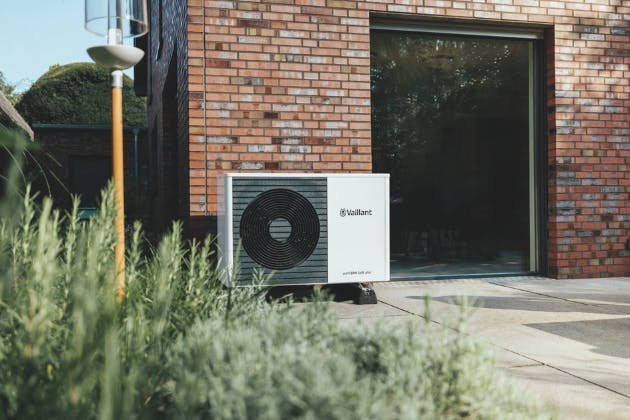
The engineer will first check the general condition of the outdoor unit. They look for damaged fins, loose panels, missing insulation on pipework and signs of corrosion or impact damage.
They also confirm there is enough clear space around the unit for air to circulate. Blocked airflow can seriously reduce efficiency and force the heat pump to work harder than it should.
Electrical connections and controls
Next, the electrical side is checked. This includes tightening terminals, inspecting cables for wear, and testing safety devices like isolators and breakers.
Inside the property, the engineer will usually review your controls, programmer and thermostats. They confirm the settings suit your home and lifestyle so the heat pump can operate at low, steady temperatures rather than constantly cycling on and off.
Refrigerant circuit and performance
A qualified engineer will assess the refrigerant circuit indirectly through temperatures, pressures and performance readings. If they suspect a leak or imbalance, specialist tools and F-Gas qualifications are required to investigate safely.
Homeowners should never attempt to top up or tamper with refrigerant. This is both dangerous and illegal without the proper qualifications.
Coil cleaning, filters and condensate drainage
The outdoor coil and any indoor air coils are checked for dirt, leaves and debris. A gentle clean restores good airflow and helps the unit transfer heat efficiently.
Filters are inspected and cleaned or replaced as needed. The engineer will also check any condensate traps and drain lines for blockages, which can otherwise lead to leaks, damp patches or unit shut-downs.
Circulation pump, pressures and temperatures
For systems feeding radiators or underfloor heating, the circulation pump is checked for noise, operation and correct settings. A stuck or poorly set pump can leave parts of the house cold and waste electricity.
The engineer will measure flow and return temperatures, system pressure (for sealed systems) and sometimes the heat output. These readings help them fine-tune the system and confirm that it is performing close to its design efficiency.
What you can do between professional services
There are a few simple tasks homeowners can safely handle between annual visits. These help keep the system running smoothly and can prevent small issues becoming big problems.
The most useful jobs you can do yourself include:
Keeping leaves, plants and clutter away from the outdoor unit
Gently rinsing the outer coil with low-pressure water if it looks dusty
Visually checking for unusual ice build-up or physical damage
Listening for new noises such as rattles, grinding or loud humming
Anything involving electrics, refrigerant, internal components or removing panels should be left to a qualified engineer. If in doubt, switch the unit off and seek advice rather than taking it apart yourself.
Common questions about heat pump servicing
Do air source heat pumps need servicing every year?
Most manufacturers recommend a yearly service, and this is often a condition of the warranty. An annual visit allows issues to be picked up early and keeps efficiency on track.
For newer systems in light use, some homeowners consider stretching to every 18 to 24 months. However, if you rely on your heat pump as your main heating and hot water source, yearly is strongly advised.
Will servicing improve efficiency?
A well carried out service can absolutely help your heat pump run more efficiently. Cleaning coils and filters, optimising controls and checking flow temperatures all reduce wasted energy.
You might not always notice a dramatic change overnight, but over a heating season small improvements add up. Better efficiency means lower running costs and less strain on components, which supports a longer system life.
Signs your heat pump needs attention
Do not wait for a complete breakdown to call an engineer. Contact a professional if you notice any of the following:
Unusual noises, such as grinding, squealing or loud vibration, suggest a mechanical issue. Frequent tripping, error codes on the controller or a sudden jump in electricity use all indicate the system is struggling.
Other warning signs include rooms not reaching set temperature, heavy ice forming and not clearing from the outdoor unit, or obvious leaks around pipework or indoor components.
Heat pumps with underfloor heating and radiators
Air source heat pumps work particularly well with underfloor heating, as both are designed to run at lower water temperatures for long periods. Correct flow temperatures and pump settings are crucial for comfort and efficiency.
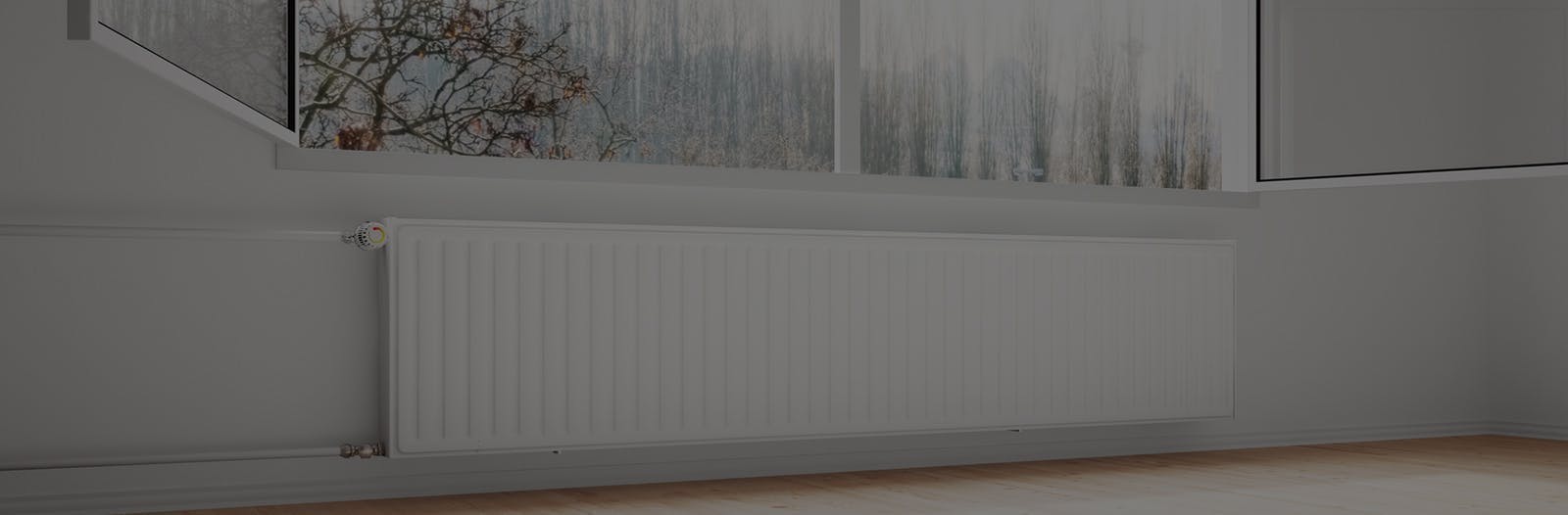
With radiators, performance still can be excellent, but it is more sensitive to sizing and settings. During a service, the engineer may adjust flow temperature curves, circulation speeds and timing schedules so your radiators warm steadily without the system constantly boosting to higher temperatures.
If you have a mix of radiators upstairs and underfloor heating downstairs, balancing the two circuits is especially important. A knowledgeable engineer will understand how to get both working in harmony.
Next steps for your heat pump aftercare
Regular servicing keeps your air source heat pump safe, efficient and comfortable to live with. In between visits, a bit of simple care from you goes a long way, but technical checks should always be left to trained professionals.
If you would like tailored advice on your system or want to arrange air source heat pump servicing and aftercare, contact Chalmers Plumbing & Heating on 01413740274. You can also learn more about our heat pump service options and how we design and maintain efficient systems with underfloor heating throughout your home.