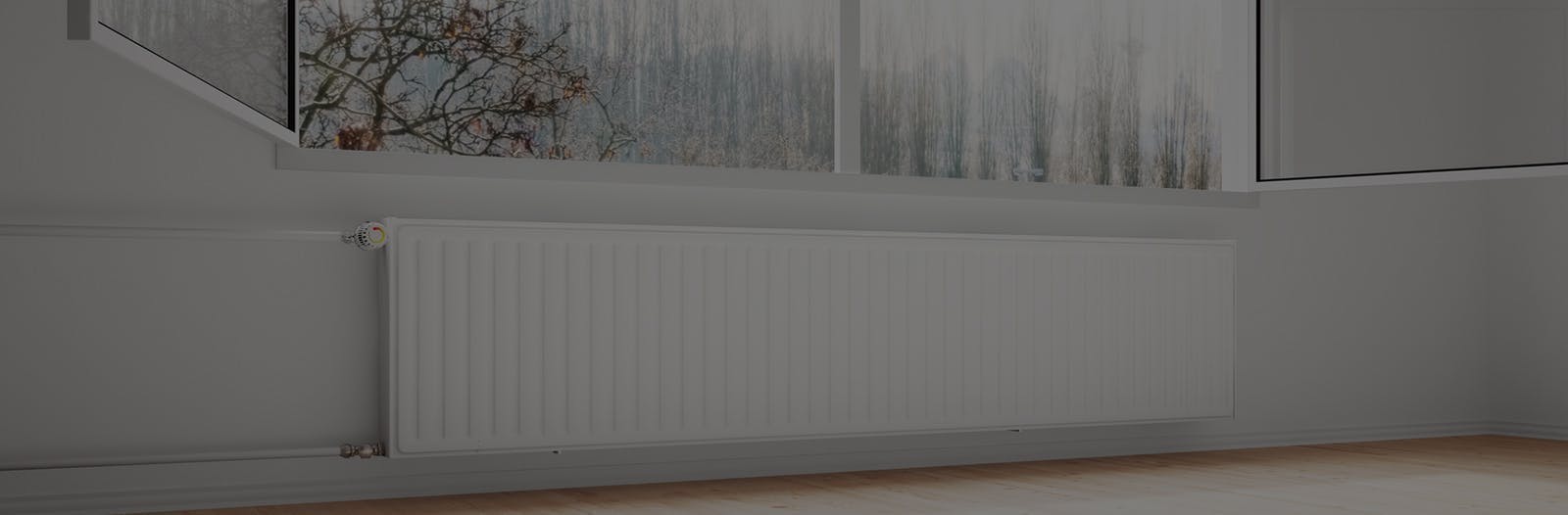
If one radiator in your home is constantly cold or keeps overheating while the others behave, a stuck thermostatic radiator valve is a very common culprit. The good news is that, in many cases, you can identify the fault and try simple, safe checks before calling an engineer.
What a thermostatic radiator valve actually does
A thermostatic radiator valve, or TRV, sits at the side of your radiator and controls how much hot water flows through it. The numbered head reacts to room temperature and automatically opens or closes the valve.
When the room is cold, the TRV opens to let more hot water into the radiator. Once the room reaches roughly the set number, it starts to close again, helping keep the temperature steady and saving energy.
Typical signs your TRV is stuck
A stuck TRV usually affects just one radiator rather than the whole heating system. Look out for these common symptoms:
Radiator stone cold while the pipes feeding it feel hot to the touch
Radiator only heats when the TRV is on maximum, not on lower numbers
Clicking or sticking feeling when you turn the TRV head
Room temperature swinging from too cold to too hot instead of staying steady
If several radiators are cold or your boiler keeps cutting out, the issue may be wider than one valve. In that case, it is worth checking our radiator not heating up guide and then speaking to an engineer.
First checks before touching the valve
Start with the simple things so you do not take a valve apart unnecessarily. Make sure your boiler and heating are actually on and that the relevant timer or smart controls are calling for heat.
Check that the TRV is turned up high enough, ideally fully open on the highest setting for testing. Also confirm the lockshield valve on the opposite side of the radiator has not been turned off accidentally.
If the radiator is hot at the bottom but cold at the top, air may be trapped. In that case, follow a safe step by step radiator bleeding guide before blaming the TRV.
Is Hot Water Reaching the Radiators?
Once you know the heating is running, carefully feel the pipes leading to and from the problem radiator. Take care to avoid burns and only touch briefly; some pipes can get very hot.
If both pipes are cold while other radiators are hot, hot water is not reaching that radiator at all. This could be a stuck TRV, a closed lockshield, or a blockage in the pipework.
If one or both pipes are hot but the radiator itself stays cool, the valve may be stuck almost closed or there might be sludge inside the radiator restricting circulation.
Removing the TRV head to check the pin
Most modern TRVs have a removable plastic or metal head. Turning off the heating first is sensible so you are not working on very hot components, although you do not normally need to drain the system for this check.
Unscrew or unclip the TRV head according to its design. Underneath you should see a small metal pin sticking out of the brass valve body. This pin is what moves up and down to open and close the valve.
How the valve pin should behave
In a healthy valve, the pin should spring upwards slightly and move in and out by a couple of millimetres when pressed gently. It should not be loose enough to wobble sideways, and it should not sit completely solid and immobile.
If the pin is stuck fully down, the valve may be effectively shut, so little or no hot water can reach the radiator. This often happens after summer when the valve has been left closed for months.
Safe techniques to free a stuck TRV pin
With the head removed and the heating off, you can try to free a pin that has seized in place. The key is to be gentle and patient, not forceful.
Use your fingertip or a blunt object, such as the end of a teaspoon handle, to press the pin straight in and release it several times. If you feel it start to move and spring back, keep going with light, repeated presses to help it loosen.
A tiny amount of light lubricant around the pin can sometimes help, but avoid spraying large amounts of penetrating oil directly into the valve body. Once the pin moves freely, refit the TRV head and test the radiator with the heating back on.
If the Valve Is Stuck, Don't Force It
Do not:
Grab the pin with pliers and yank or twist it
Hit the valve body with tools or a hammer
Undo nuts on the valve unless you are prepared for water leakage
Excess force can damage the valve, cause leaks or even lead to the valve failing completely. If the pin refuses to move at all or you notice any water seepage, stop and contact a qualified heating engineer.
When the whole TRV needs replacing
Sometimes, no amount of gentle persuasion will free a seized pin. Corrosion, internal wear or sludge can permanently damage the mechanism inside the valve body. In those cases, only a replacement valve will give a reliable fix.
You should also consider replacement if the TRV is very old, the head feels loose or broken, or the valve only works on maximum and ignores lower settings. Upgrading older valves can improve comfort and efficiency across your home.
Valve changes involve draining or isolating part of the heating system and refilling correctly. If you are not fully confident, it is safer to book a professional who can also check the wider system health at the same time.
Balancing expectations with older systems
On older heating systems, TRV issues often go hand in hand with sludge, rust and general wear. Even with a new valve fitted, radiators may still heat unevenly if the system has not been cleaned or balanced properly.
It is quite common for TRV pins to seize after the summer if they have been left turned right down. A useful habit is to twist each TRV fully open and closed a couple of times at the start and end of the heating season to keep them moving.
If you have repeated problems with cold rooms, noisy pipes or slow heating, it may be time to look beyond just the valve and consider a powerflush, rebalancing, or other professional plumbing services.
Need help with a stubborn radiator valve?
If you have worked through these checks and your thermostatic radiator valve is still stuck, leaking or leaving a room unusable, it is sensible to get an expert to take a look. A trained engineer can quickly confirm whether the TRV, the radiator or the pipework is at fault.
For a quick visit to replace a faulty valve or to carry out a full system health check, contact Chalmers Plumbing & Heating on 01413740274. Having your TRVs, radiators and controls working together properly will keep your home more comfortable and your heating bills under control.